
A set of rare photographs of Daft Punk before the helmets is making the rounds again, resurfaced this weekend in a viral carousel from the House Music US community on Instagram. The images, drawn from the Redferns archive and shot by photographers including Mick Hutson, Paul Bergen, Steve Double and Antonio Petronzio, show Thomas Bangalter and Guy-Manuel de Homem-Christo as two Parisian twenty somethings hiding behind Halloween masks, frog hats, blue face paint and logo stickers. They are a reminder that the most famous faceless act in music history spent its first years dodging the camera in far more handmade ways.
A bad review gave Daft Punk their name
Before the robots there was a guitar band. In the early nineties Bangalter and de Homem-Christo, school friends from the Lycée Carnot in Paris, played in an indie rock trio called Darlin’ alongside Laurent Brancowitz, who would later join Phoenix. A Melody Maker critic dismissed their music as “a daft punky thrash,” a putdown the duo found funnier than insulting. When they traded guitars for drum machines, they kept the insult as a band name and turned it into one of the most valuable brands in electronic music.
Daft Punk before the helmets: the Homework years
When their debut album Homework arrived on Virgin in January 1997, Daft Punk were two 22 year olds with completely public faces. What they refused was the machinery of pop stardom. The duo rarely gave television interviews, asked magazines not to run clean portraits, and treated every photo shoot as a game of hide and seek. According to people who worked their early campaign at Virgin, the pair would only agree to be photographed without disguises while they were DJing, when their heads were down and the decks did the talking.
That refusal was ideological as much as it was practical. Bangalter has said many times that they wanted the music, not the musicians, to be the star. In interviews from that era he framed anonymity as a way to protect their everyday lives in Paris and to place Daft Punk in a lineage of theatrical pop constructions that runs from Kraftwerk to Ziggy Stardust and Kiss.
Masks, frog hats and blue paint
The newly recirculated photographs capture just how playful that early camouflage was. In one Paris session the pair pose outside a boulangerie and a Métropolitain station clutching baguettes, one in a golden sun mask, the other in a red devil face. Another shoot has them in oversized frog hats, and in a third their faces are painted entirely blue. For a session in San Francisco around the release of Homework, they stare into the lens wearing simple carnival eye masks with the Golden Gate Bridge behind them, and in the most on brand image of the set, their faces are simply covered by Daft Punk logo stickers.
Nothing about it was polished. The disguises were whatever was lying around: paper bags, joke shop masks, morphing effects added in post. That scrappiness is exactly what makes the pictures so striking today, because the world would soon know Daft Punk only through two of the most meticulously engineered costumes in pop.
The last shows with visible faces
On stage, the duo stayed barefaced longer than many fans realize. Throughout the Daftendirektour in 1997, the tour that carried Homework around the world, Bangalter and de Homem-Christo performed in plain sight. The best document of that period is their December 17, 1997 concert at the Mayan Theatre in Los Angeles, a raw, unmasked live set the band themselves streamed on Twitch in February 2022, exactly one year after announcing their split. It remains the only full concert film the duo has ever released officially.
9/9/99, the day they became robots
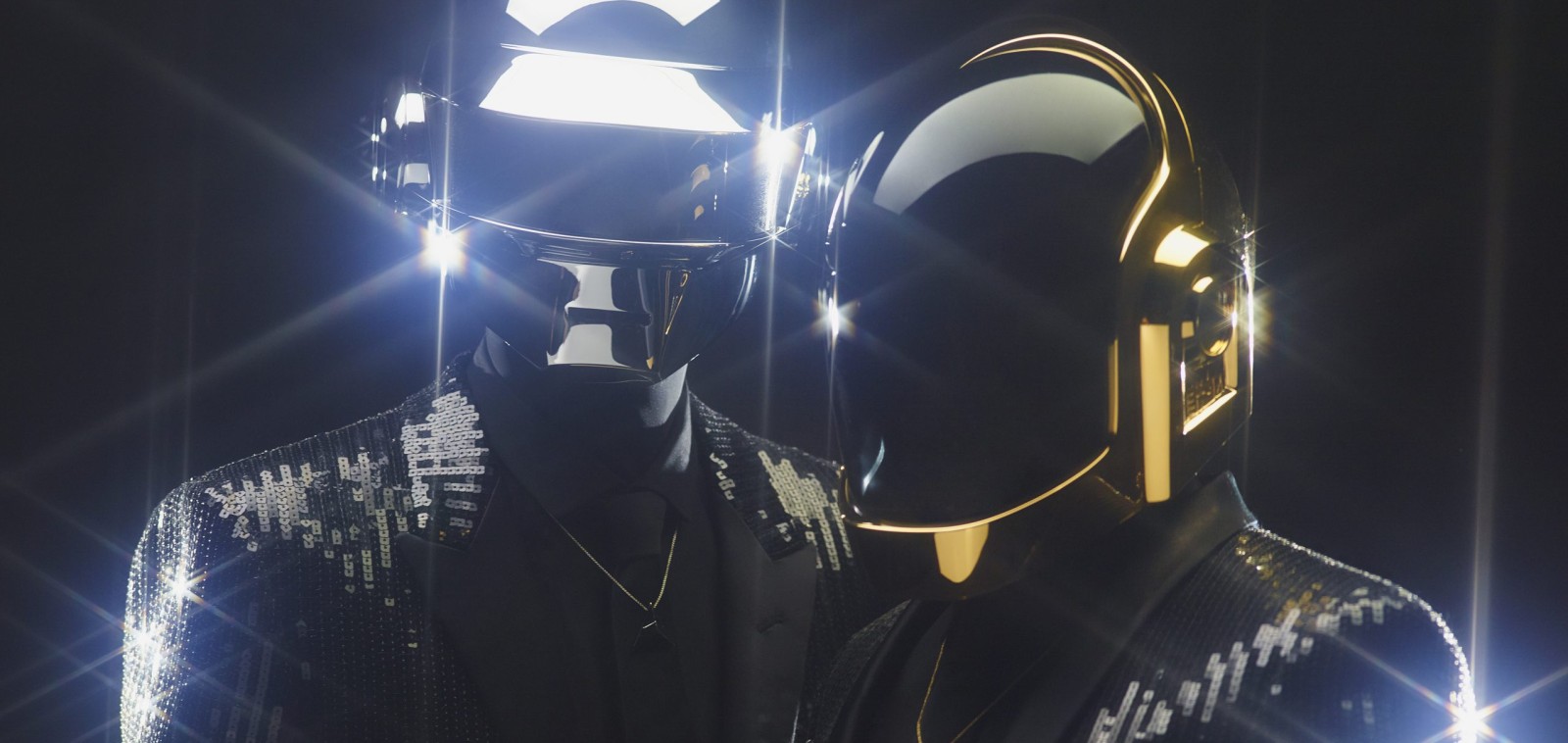
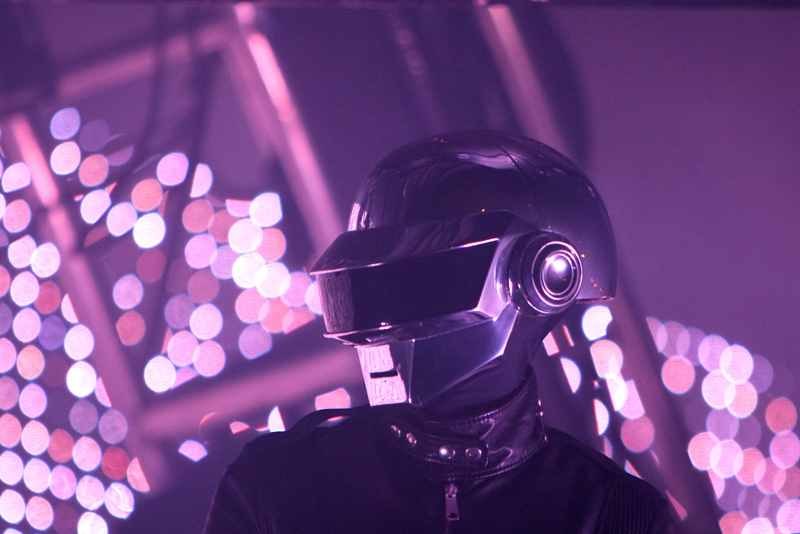
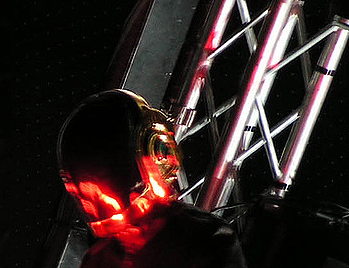
The official mythology says everything changed on September 9, 1999 at 9:09 in the morning, when a sampler in their studio exploded and the two producers woke up as robots. In reality, the chrome and gold helmets were commissioned from Hollywood effects specialist Tony Gardner and his company Alterian, and made their public debut with the Discovery campaign in 2001. As Bangalter told Rolling Stone, the personas let them explore the line between fiction and reality while keeping their private lives intact. The first versions of the helmets even came with wigs, which the duo tore off on the way to their unveiling shoot because the robots looked sleeker bald.
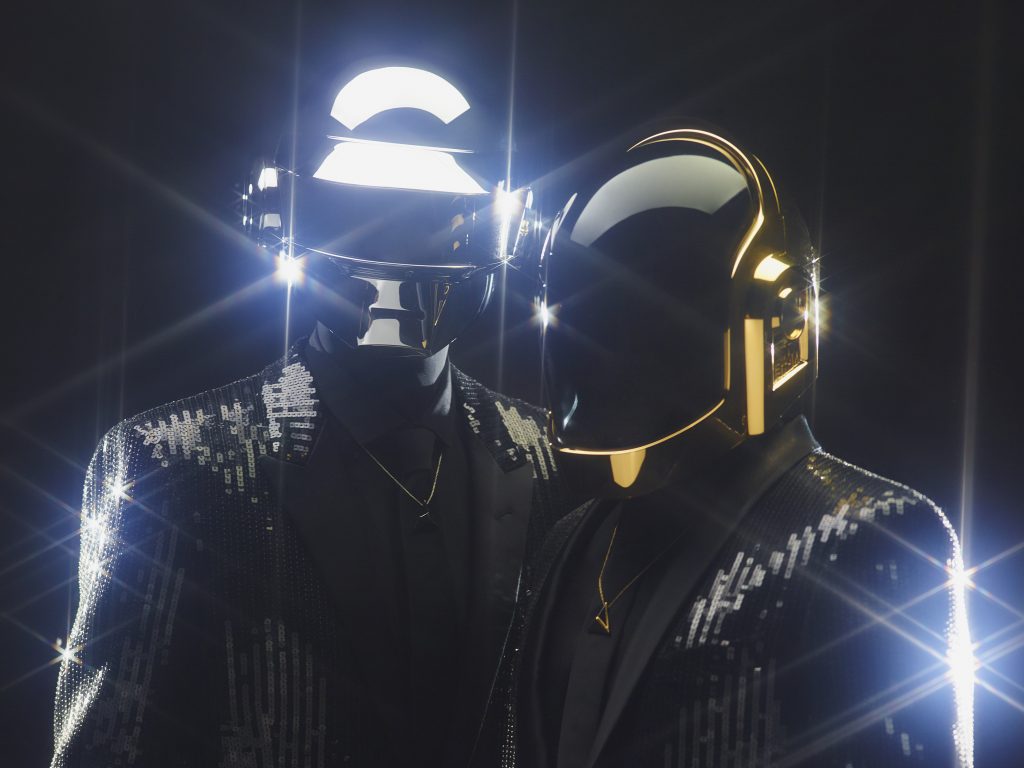
From that point on the rule was absolute. For two decades Daft Punk never appeared as Daft Punk without the helmets, through Human After All, the pyramid of Alive 2007 and the Grammy sweep of Random Access Memories. The faces from the 1997 photo sessions quietly disappeared from public life.
Life after the robots
Daft Punk announced their separation on February 22, 2021 with the video Epilogue, and the masks came off for good soon after. Bangalter has since scored films and composed the orchestral ballet Mythologies, appearing at premieres and festivals with his face uncovered, while de Homem-Christo has kept the lower profile he always preferred. The duo’s story keeps generating headlines, from a new Human After All video released five years after the split to Fortnite tributes and museum exhibitions, and French electronic music now carries so much cultural weight that President Macron wants UNESCO heritage status for the French touch.
That is why these old photographs keep going viral. Daft Punk before the helmets were two young producers improvising anonymity with whatever a Paris joke shop could provide, and the contrast with the flawless robots they became is the whole story of the project: the costume changed, the refusal never did.
Cover photo: Sony Music Entertainment, CC BY 4.0, via Wikimedia Commons. Archival carousel via @housemusic.us on Instagram, original photographs by Mick Hutson, Paul Bergen, Steve Double and Antonio Petronzio for Redferns.