
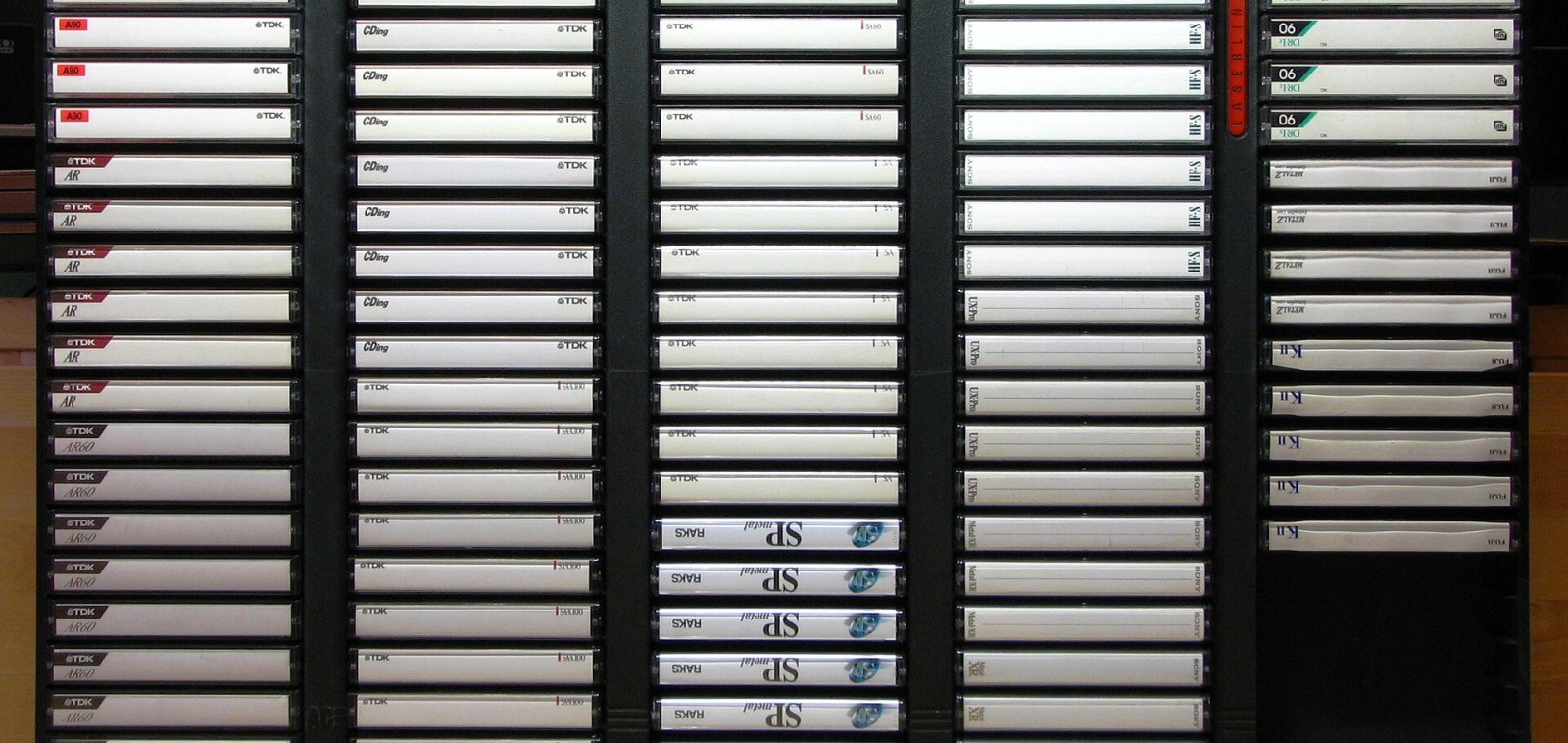
The cassette tapes comeback is one of those stories that sounds like a joke until you see the numbers. A format declared dead when the iPod arrived is now posting triple digit growth in the United States, fueling a new wave of portable players and turning dusty shoeboxes into small goldmines.
For years the story of physical music was a vinyl story. Records got the documentaries, the anniversary pressings and the supermarket racks. Meanwhile the humble cassette kept climbing quietly in the background, bought by pop superfans, underground heads and collectors who never stopped rewinding.
The Numbers Behind the Cassette Tapes Comeback
The clearest early signal came from the UK. According to the BPI, cassette sales there grew for a tenth consecutive year in 2022, jumping from 3,823 units in 2012 to almost 196,000, their highest level since 2003. Arctic Monkeys, Harry Styles and Florence + the Machine led the format that year.
The road since then has been bumpy, but the direction is clear. UK tape sales cooled off in 2023 before stabilizing again, and 2024 became the first year in two decades in which overall physical sales, counting vinyl, CD and cassette together, returned to growth.
The United States is where things get loud. Luminate counted 436,400 prerecorded cassettes sold in 2023, nearly matching the year before. Then came the real spike: cassette sales exploded by 204.7 percent in the first quarter of 2025, reaching 63,288 units and helping push physical formats up 5.7 percent overall.
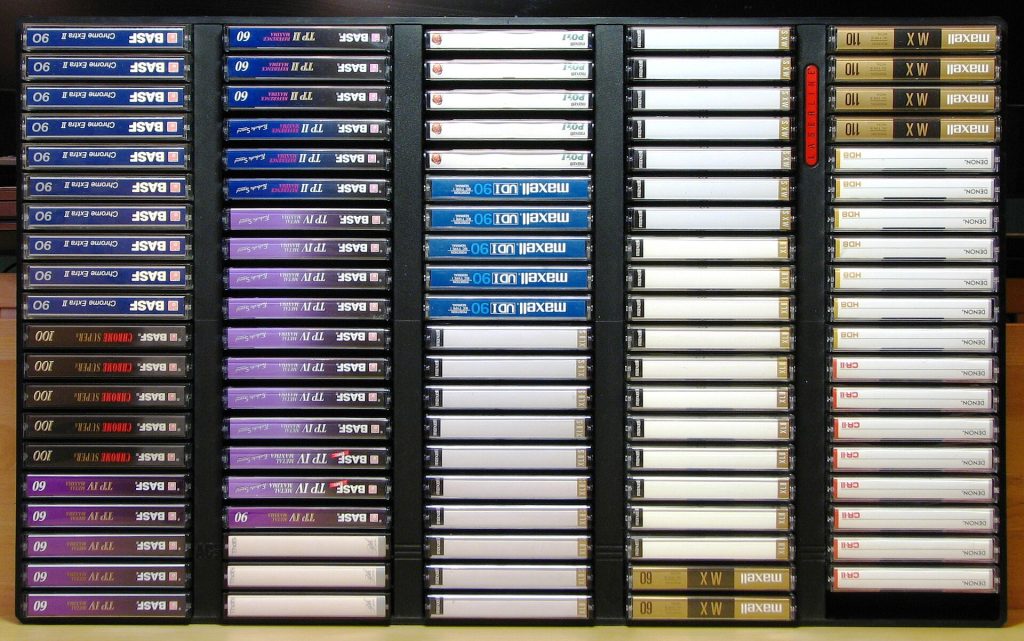
Taylor Swift and a Marvel Soundtrack Lead the Tape Charts
So who is actually buying these? In 2023, two names accounted for a fifth of every cassette sold in America: Taylor Swift and the Guardians of the Galaxy soundtracks. Billboard reported that four Guardians tapes, plus 1989 (Taylor’s Version), Nirvana’s Bleach and Metallica’s 72 Seasons, topped the US cassette chart that year.
Major stars have kept feeding the format since, with Ariana Grande, Kendrick Lamar and Lady Gaga all putting new albums on tape. For dance music the format never fully left: DJ mixes were traded on cassette long before SoundCloud existed, and small electronic labels still press short tape runs that disappear from merch tables in a night.
FiiO and We Are Rewind Are Building New Cassette Players
Demand for tapes created an obvious problem: nobody was making decent players anymore. That gap is now being filled. Audio brand FiiO released the CP13, a portable player openly inspired by the classic Walkman, with a rechargeable battery good for about 13 hours, USB C charging and a transparent edition that lets you watch the reels spin.
French company We Are Rewind went a step further with a chunky aluminum player that can also record onto blank tapes, reviving the most romantic ritual of the format: making a mixtape for someone. Reviewers who compared both machines found the sound gap between them negligible, which says a lot about how seriously these brands are taking a format once written off as disposable plastic.
Vintage Sony Walkmans Turned Into Collector Gold
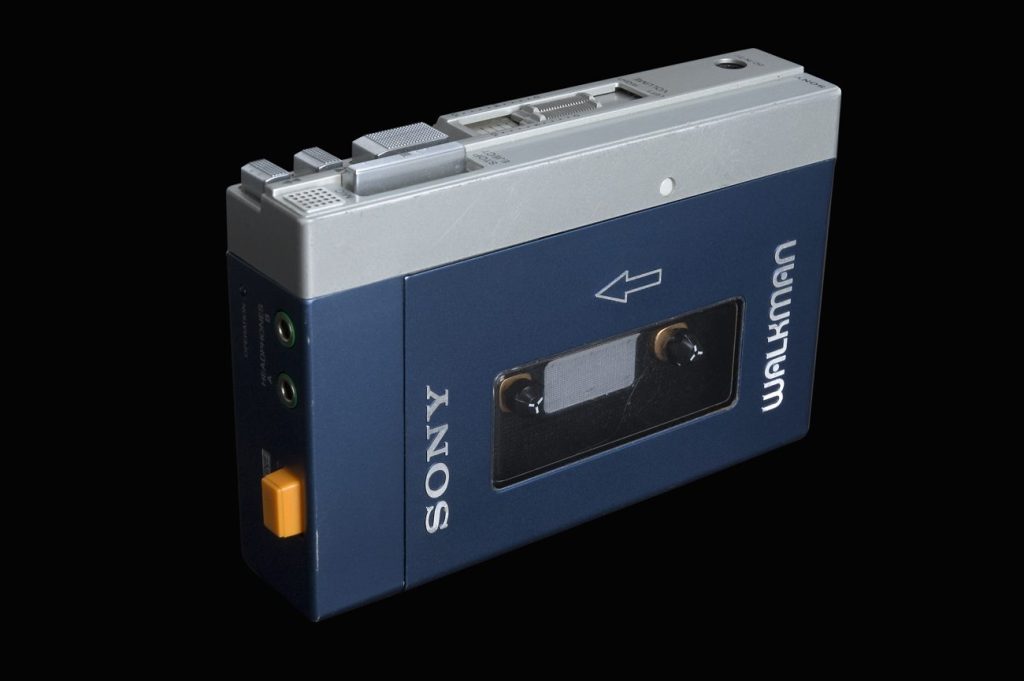
While new hardware arrives, the vintage market keeps heating up. The original Sony Walkman from 1979, the machine that invented portable music, now sells for between 560 and 950 dollars in working condition, and restored units with original accessories have been listed for as much as 2,850 dollars.
Other classics follow the same curve: a fully serviced top model from 1990, regarded by collectors as one of the best sounding Walkmans ever made, trades for around 2,095 dollars. Screen time did its part too, with appearances in Guardians of the Galaxy and Stranger Things putting the player in front of an audience that had never touched one.
Why Tapes, and Why Now
The obvious answer is nostalgia, but that only explains the buyers who lived through the format the first time. The more interesting driver is a generation of streaming natives choosing friction on purpose. A tape forces you to hear an album from start to finish, in the order the artist intended, with no algorithm deciding what comes next. You own it, you hold it, and it keeps playing when the app goes down.
It fits a wider pattern in how young people are changing their relationship with music and nightlife, the same shift showing up in the data on how Gen Z is rewriting club culture. And it connects to something crate diggers always knew, whether the medium is tape or wax: physical music is memory you can touch, as anyone who has seen Carl Cox and his 150,000 record collection understands.
The comeback is still small next to vinyl, which moved 1.7 million units in the US in the same quarter tapes hit 63,288. But a format growing by 204.7 percent is not a fad, it is a signal. So the only question left is the one worth asking on any dancefloor: would you carry a Walkman again?