
The most expensive hangover in music right now is not on the dance floor, it is on the balance sheet. Gen Z drinking less has stopped being a lifestyle headline and turned into a market event, and the scale is hard to ignore: more than $830 billion in alcohol company value has evaporated since 2021. For an industry that always assumed each new generation would fill the same barstools, that is not a blip. It is a rewrite, and it is already changing how clubs, festivals, and DJs build a night out.
The $830 Billion Wake Up Call
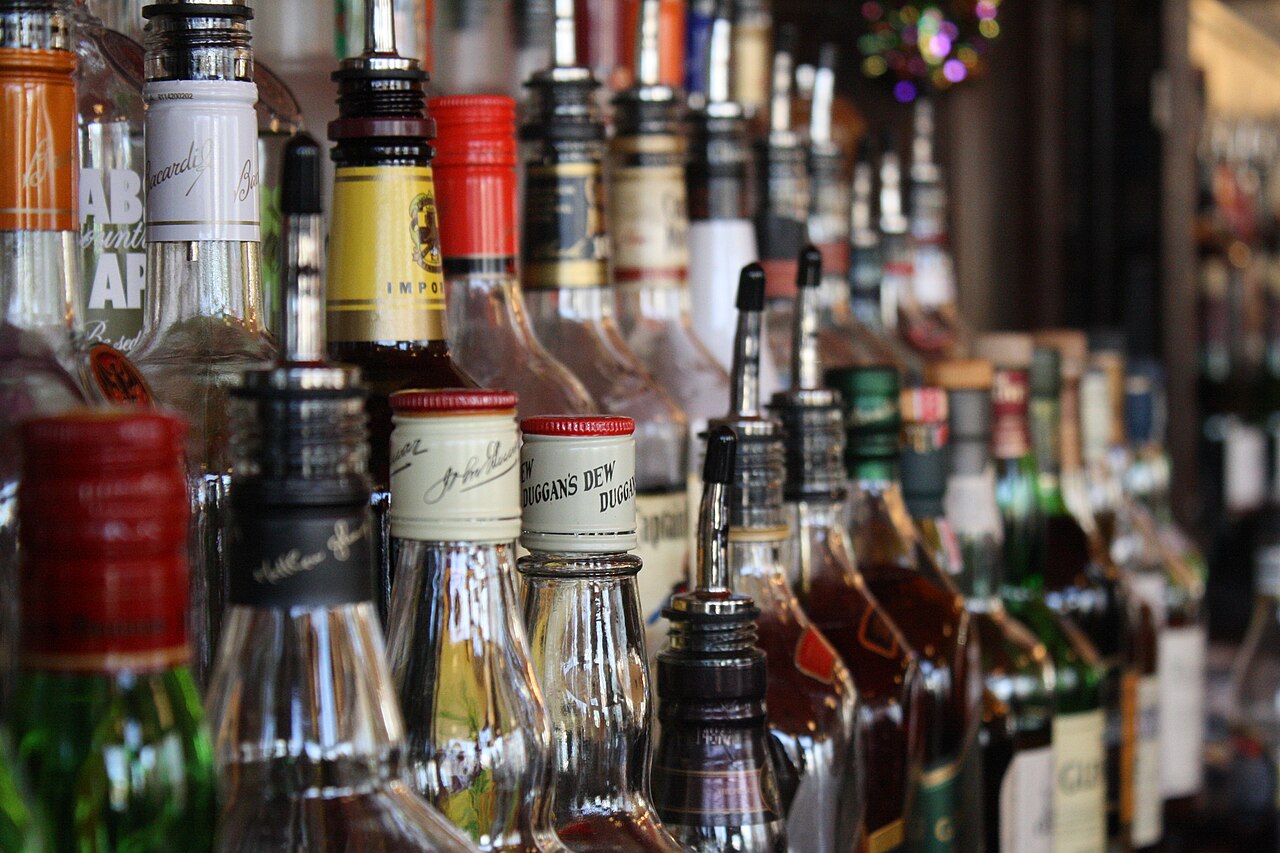
A Bloomberg index that tracks the world’s largest beer, wine, and spirits producers has shed more than $830 billion in market value since 2021, a slide of roughly 46 percent in four years. The names carrying those losses are giants, not strugglers. Diageo, Pernod Ricard, and Chinese baijiu leader Kweichow Moutai all trade well below their 2021 peaks. Analysts are not calling it a passing mood. Morgan Stanley analyst Sarah Simon was blunt about the cause: “there is a structural change going on.” The takeaway for the industry is simple. People are drinking less, and they are not coming back on the old timetable.
Why Gen Z Drinking Less Is the New Normal
The market number has plenty of company in the data. In August 2025, Gallup reported that only 54 percent of US adults say they drink alcohol, the lowest reading in records that reach back almost 90 years. Among adults under 35, the share who drink fell from 59 percent in 2023 to 50 percent in 2025. For the first time, most Americans now believe that even moderate drinking is bad for your health, a view shared by roughly two thirds of young people.
Gen Z sits at the sharp end of that shift. Surveys put their beer and wine intake at about a third below older generations, and close to 39 percent say they do not drink at all, which makes them the most sober adult generation on record. The reasons are practical rather than preachy: a real focus on fitness, sleep, and mental health, the spread of weight loss drugs like Ozempic, the mainstreaming of cannabis, and bar tabs where a single cocktail now runs $18 or more in most major cities. Add a generation raised on wellness feeds instead of beer commercials, and skipping the drink looks less like missing out and more like an upgrade.
Experiences Over Open Bars
When younger fans do spend, they spend differently. Travel, festivals, fitness, and food now outrank bottle service as status symbols, and the receipts back it up. Sober tourism is climbing fast, with more than half of Gen Z travelers saying they are now interested in alcohol free trips, and the money saved on drinking tends to flow straight back into the experience: better seats, longer stays, the ticket to a festival like Tomorrowland instead of another bar bill. Venues are noticing a twist too. Sober guests may spend less per round, but they tend to return more often and stay longer, reinvesting the savings into premium nights out.
Sober Clubbing Becomes a Real Scene
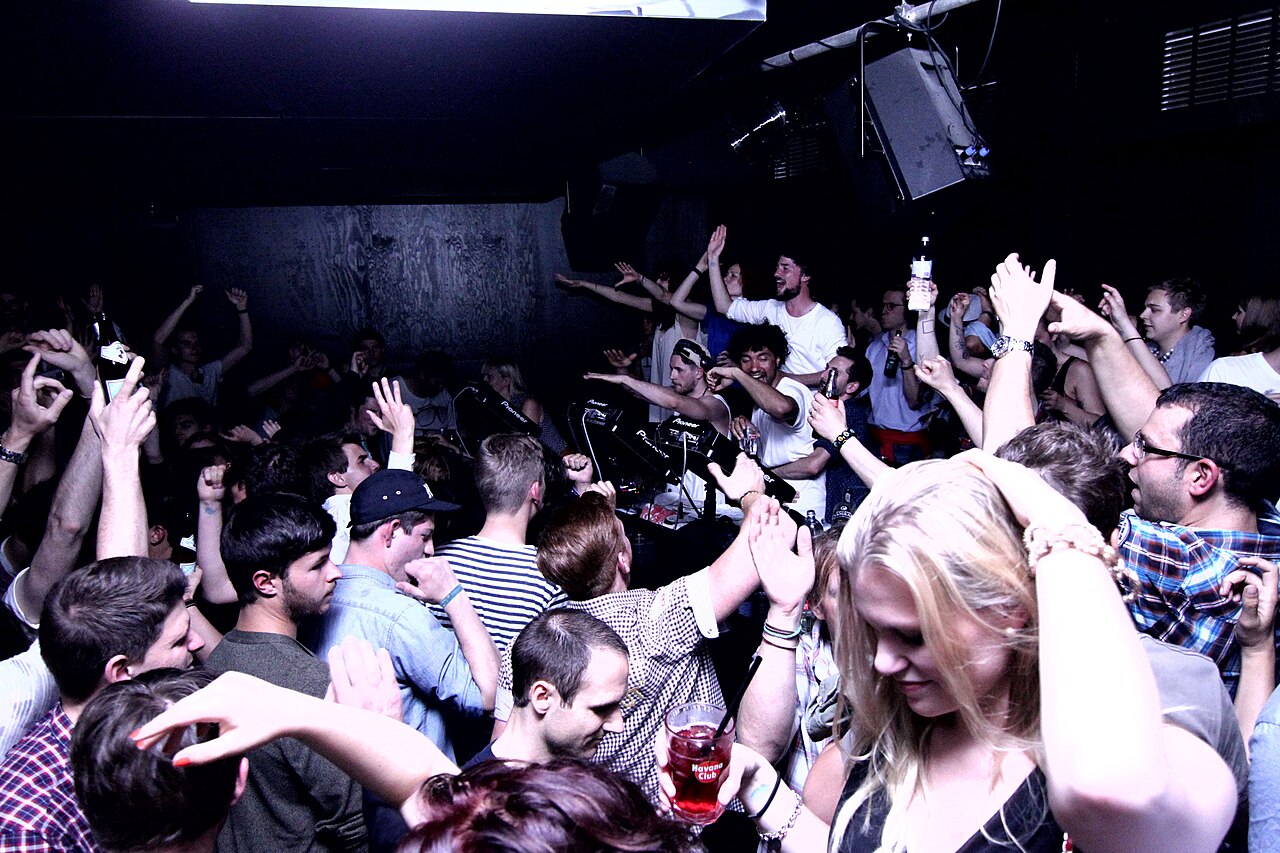
Nightlife is not fighting the trend, it is rebuilding around it. Eventbrite has logged a 92 percent jump in sober curious gatherings, with coffee raves up 478 percent, sauna raves up 256 percent, and morning dance parties up around 20 percent year over year. Formats like Daybreaker and Morning Gloryville have turned the daytime sober rave into a global circuit, and DJs are following the crowd. Autograf, for one, has played kava fueled parties from London and Berlin to New York and Phoenix, proof that you can pack a floor without a single drink ticket.
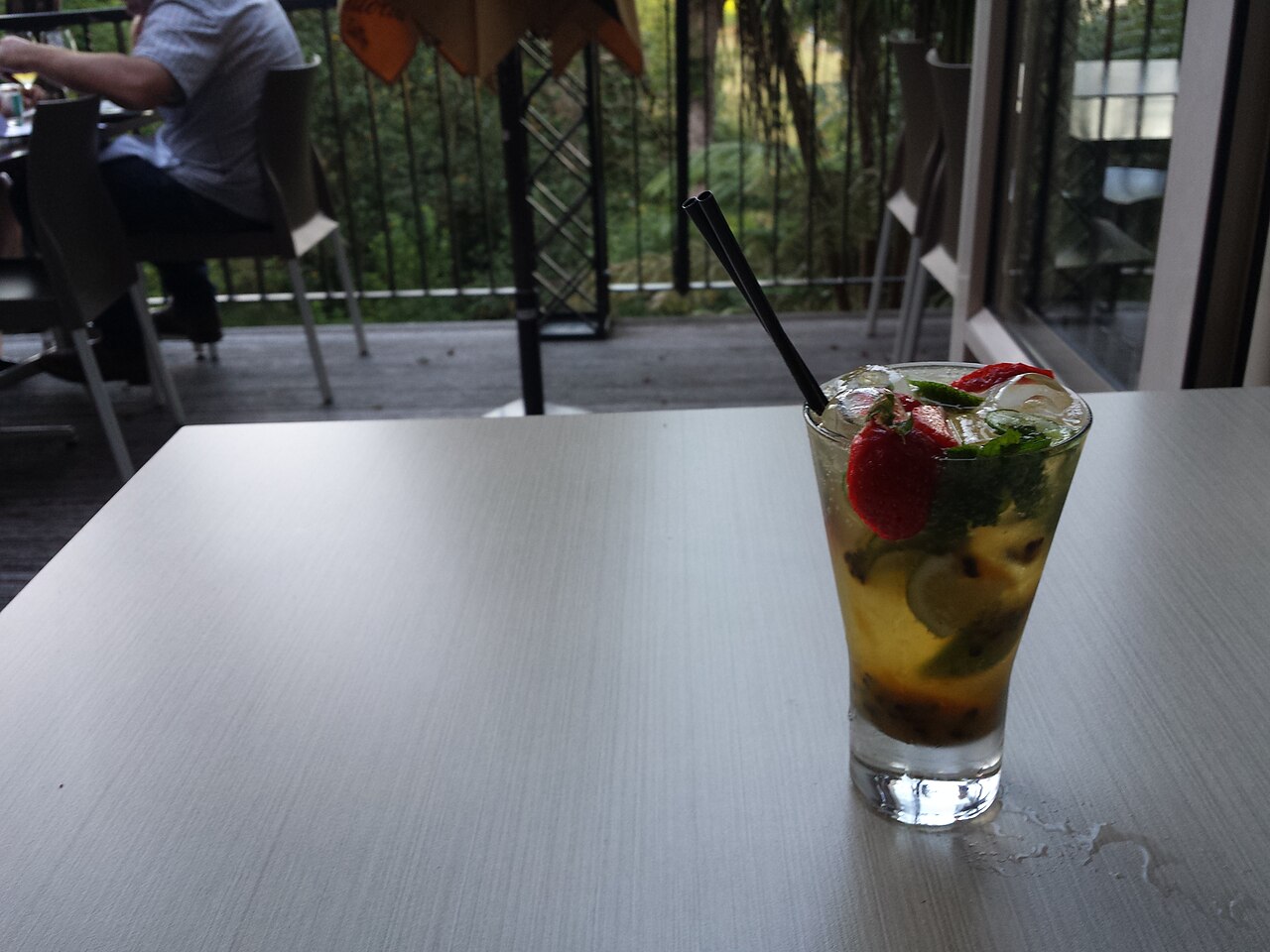
The drink itself has gone from punchline to product line. US sales of alcohol free beer, wine, and spirits jumped 26 percent in a single year and pushed past $800 million, while the wider category is on track to clear $1 billion in 2025. More than 60 percent of Gen Z and millennial drinkers say they now reach for an alcohol free option in social settings, and 37 percent of Americans report seeing more of these drinks on menus and shelves than a year ago. The mocktail is no longer a consolation prize, it is a headliner.
What It Means for Dance Music
None of this means the party is over. It means the party is being rebuilt around something other than the bar. Venues that once leaned on alcohol margins are testing hydration stations, electrolyte bars, meditation rooms, and full alcohol free cocktail menus, while promoters program earlier, shorter, and more wellness friendly events. Dance music sold connection, release, and the track that lands at the perfect moment long before it sold beer. Hold a sweaty, phone free 90s dancefloor next to a sunrise coffee rave and the throughline is obvious: the crowd still wants to lose itself in the music. With Gen Z drinking less, it just wants to remember the night and feel good the next morning.
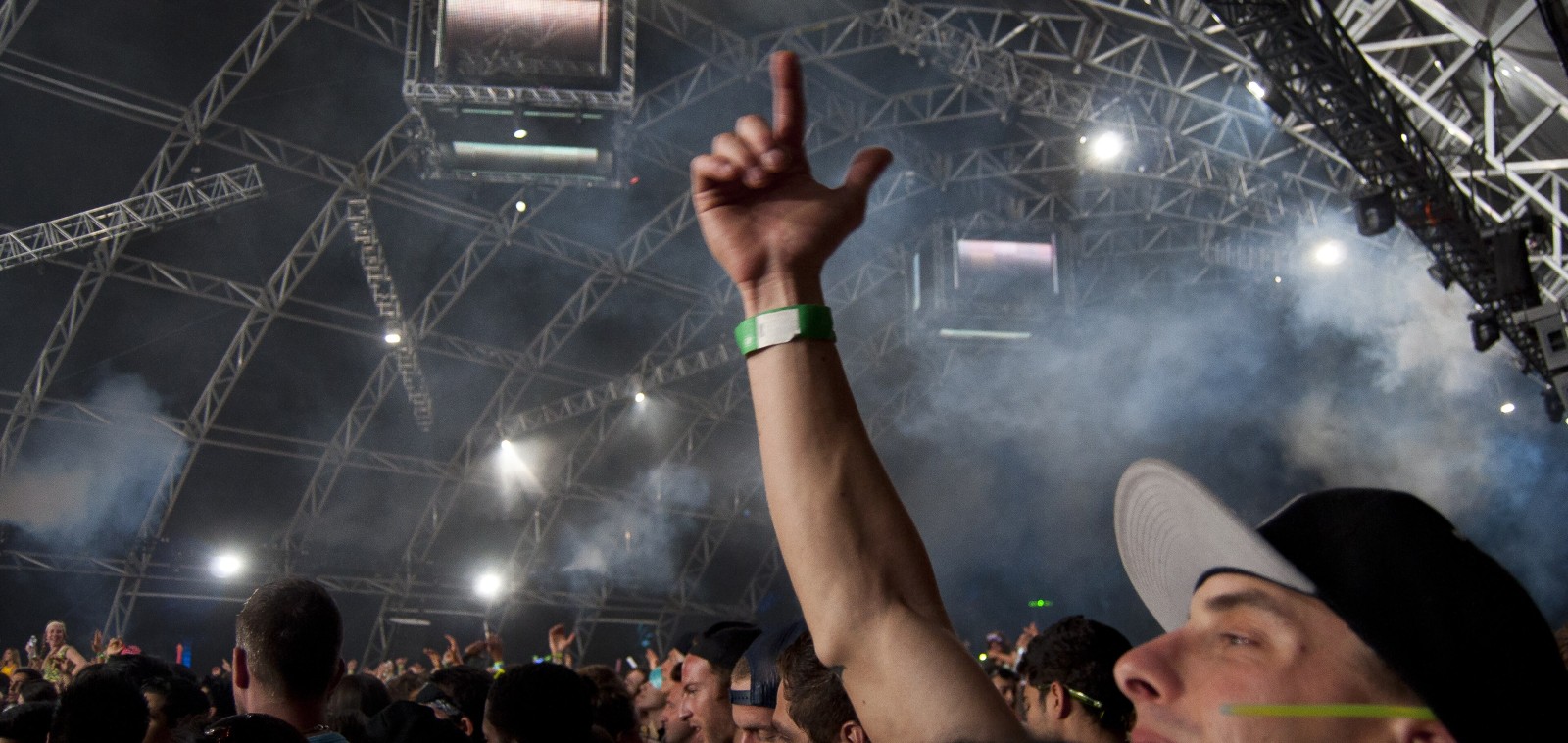
Cover photo: Ian T. McFarland, CC BY-SA 2.0, via Wikimedia Commons. Reporting drawn from Bloomberg, Gallup, Eventbrite, and NIQ.