

The link between house music and Parkinson’s disease sounds like a stretch until you look at how rehabilitation clinics actually work. For decades, physiotherapists have used a steady external beat to help people with Parkinson’s walk more smoothly, and the technique has a name: rhythmic auditory stimulation, usually shortened to RAS. House music was never designed as medicine, but its defining feature, a metronomic 4/4 pulse that almost never wavers, happens to be exactly what the protocol asks for.
What rhythmic auditory stimulation actually is
Parkinson’s disease damages the basal ganglia, the part of the brain that supplies internal timing for automatic movement. Walking stops being automatic. Steps get shorter, speed drops, and in later stages the feet can freeze mid stride. The idea behind RAS is to replace that missing internal clock with an external one.
In practice a therapist sets a beat, often a click track or a piece of music, at or slightly above the person’s own step rate, then has them walk in time to it. The auditory system feeds the pulse straight into motor planning through cerebellar pathways that Parkinson’s leaves relatively intact. The work goes back to Michael Thaut and colleagues in the mid 1990s, who reported improvements in speed, cadence and stride length in people cued this way.
What the meta analyses found
The evidence base is now large enough to pool. A systematic review and meta analysis of randomised controlled trials published in Frontiers in Neurology included 21 studies, 14 of them in the statistical pooling. Gait velocity, step length and stride length all improved significantly in the groups receiving rhythmic cueing. So did walking endurance measured by the six minute walk test, the timed up and go test, balance scores and the motor sections of the standard Parkinson’s rating scale.
Two results deserve equal billing, because they are the ones viral posts tend to drop. Step cadence did not improve significantly across the pooled studies, and neither did stride width. Some trials found cadence going up, others found it going down. That is not a failure of the method. It reflects the fact that RAS is often used to slow a shuffling, over quick step pattern down into longer, more controlled strides, which is a better outcome than simply stepping faster.
Other reviews land in the same territory. Pooled analyses of auditory cueing have reported gains of roughly half a standard deviation in gait speed and stride length compared with control groups, which is a meaningful effect for a low cost intervention with no side effects.
Why house music fits the brief

Not all music works as a cue. A track with rubato, tempo drift or a beat buried under texture gives the brain nothing to lock onto. Classic house sits between roughly 118 and 128 beats per minute with a kick on every quarter note, quantised and constant from first bar to last. It is, functionally, a metronome you would actually want to listen to.
That tempo range also happens to sit close to normal adult walking cadence, which for most people falls somewhere between 100 and 120 steps per minute. A therapist can start at a person’s baseline and nudge upward without changing records. Add the fact that people are far more likely to stick with a rehabilitation exercise when the soundtrack is something they like, and the appeal is obvious. Adherence is half the battle in any long term movement programme.
Dancing beats headphones
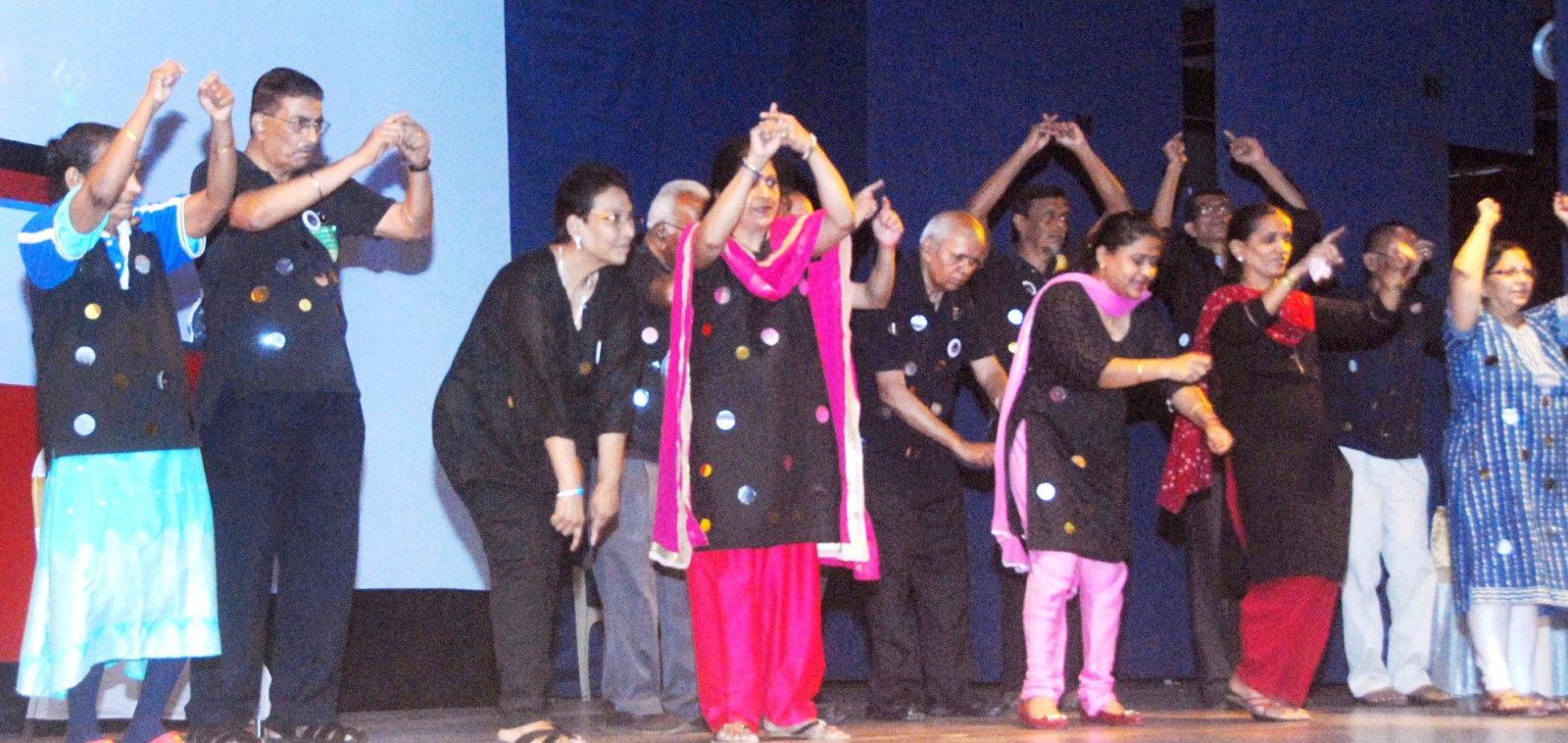
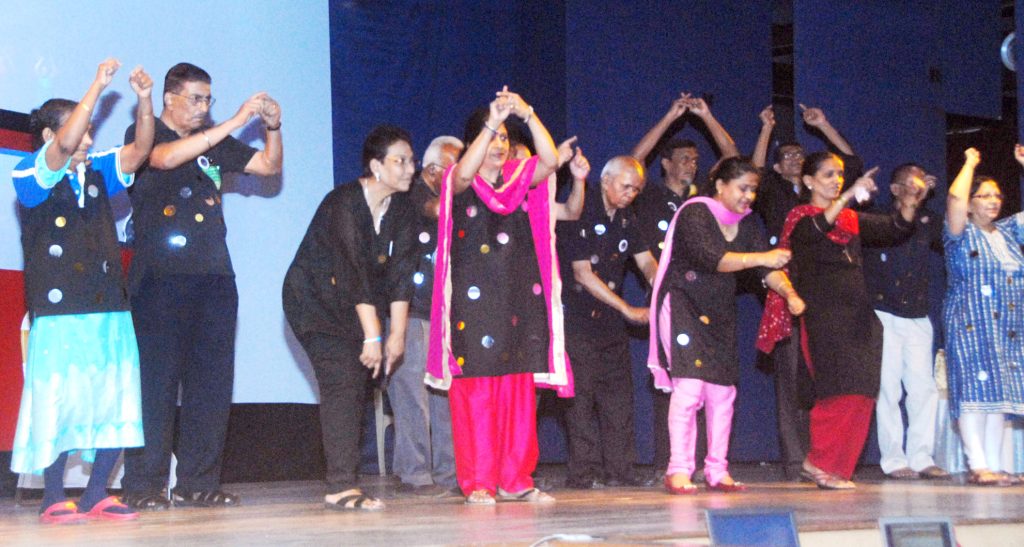
Cueing is only one half of the story. The other is dance, where rhythm arrives with balance work, weight shifting, social contact and an actual reason to show up.
The best known example is Dance for PD, launched in 2001 when Olie Westheimer of the Brooklyn Parkinson Group approached the Mark Morris Dance Group. The programme now runs in more than 400 communities across 38 countries, and the organisation points to more than 40 peer reviewed studies examining dance for people with Parkinson’s, with reported benefits spanning mobility, quality of life, mood and social inclusion. Some comparisons suggest dance based movement therapy outperforms rhythmic cueing alone on balance and dual task performance, which makes sense given how much more it asks of the body at once.
What none of this claims
Rhythm does not cure Parkinson’s, does not slow the underlying loss of dopamine neurons, and does not prevent anyone from developing the condition. Every serious paper in this field frames RAS as an adjunct to conventional treatment, sitting alongside medication and physiotherapy rather than replacing either.
The studies also come with the usual caveats. Sample sizes are often small, protocols vary from trial to trial, and blinding a participant to whether they can hear a beat is impossible, so placebo effects cannot be ruled out. Individual response varies too: research on sensorimotor coupling suggests people who naturally sync well to a beat get more out of the technique than those who do not.
Still, the direction of travel is consistent. A steady pulse helps a damaged timing system produce better movement, and that finding has survived a lot of scrutiny. For a genre built on the idea that the beat is the point, it is a satisfying piece of evidence. We have covered adjacent ground before in our look at the health benefits of live music and at music and children’s brain development, and there is more in our research coverage.
FAQ
Can house music treat Parkinson’s disease?
No. House music cannot treat or cure Parkinson’s. What research supports is rhythmic auditory stimulation, a rehabilitation technique using a steady external beat to improve walking, and house music’s constant 4/4 tempo makes it a practical source of that beat alongside standard medical care.
What does rhythmic auditory stimulation improve?
Pooled trial data show significant improvements in gait velocity, step length, stride length, walking endurance and balance. Step cadence and stride width did not improve significantly across the same pooled studies.
What tempo is used?
Therapists typically set the cue at or slightly above a person’s existing step rate, then adjust gradually. That commonly lands in the same range as a house record, roughly 118 to 128 beats per minute.
This article summarises published research and is intended for general information, not medical advice.