


Cassette sales in the UK reached 164,000 units in 2025, a 53% rise on the year before, according to the Official Charts Company. For a format that was written off as a novelty two decades ago, that is a real number, and it lands at a moment when almost every physical format is outperforming its own obituary.
The figure comes from the Official Charts year end rundown published in January 2026. The same data named the Better Man soundtrack by Robbie Williams the best selling cassette album of the year on 21,400 copies, with The Boy Who Played The Harp by Dave second on 15,800 and Can’t Rush Greatness by Central Cee third on 9,500.
What the cassette sales numbers actually say
Scale first. 164,000 cassettes is nothing next to the 7.5 million vinyl albums the UK bought in 2025. Tape is not challenging vinyl and it is not going to. What the number shows is direction, and the direction is up after two years of decline.
It also shows how concentrated the market is. A single soundtrack accounted for roughly one in eight cassettes sold across the whole year. That is the shape of a niche format: a few big releases decide whether the annual total goes up or down.
The comeback is not a straight line
One claim doing the rounds online is that cassette sales have climbed every year for a decade. They have not. UK cassette sales fell 30% in 2023, dropping from 195,000 units to 136,000, and slipped again in 2024 before the rebound. The unbroken growth streak belongs to vinyl, which had grown for sixteen consecutive years as of 2023 and has kept going since.
Keeping that straight changes the story. Tape is not riding a smooth decade of growth. It is a volatile corner of the market that swings hard, and 2025 was a swing upward rather than the continuation of a trend.
The first quarter of 2025 was the turning point
BPI figures based on Official Charts Company data showed UK cassette sales up 204.7% in the first quarter of 2025, reaching 63,288 units. Across the same three months vinyl grew 15.4% to 1,702,360 units, CD sales dipped 2.6%, and physical formats overall rose 5.7%, against 2.4% growth in the same window a year earlier.
That 204.7% number travels badly. It is British data, not American, and it covers three months rather than a full year. Worth flagging, because it gets quoted as a US statistic almost as often as a UK one.
Hardware is doing a lot of the work
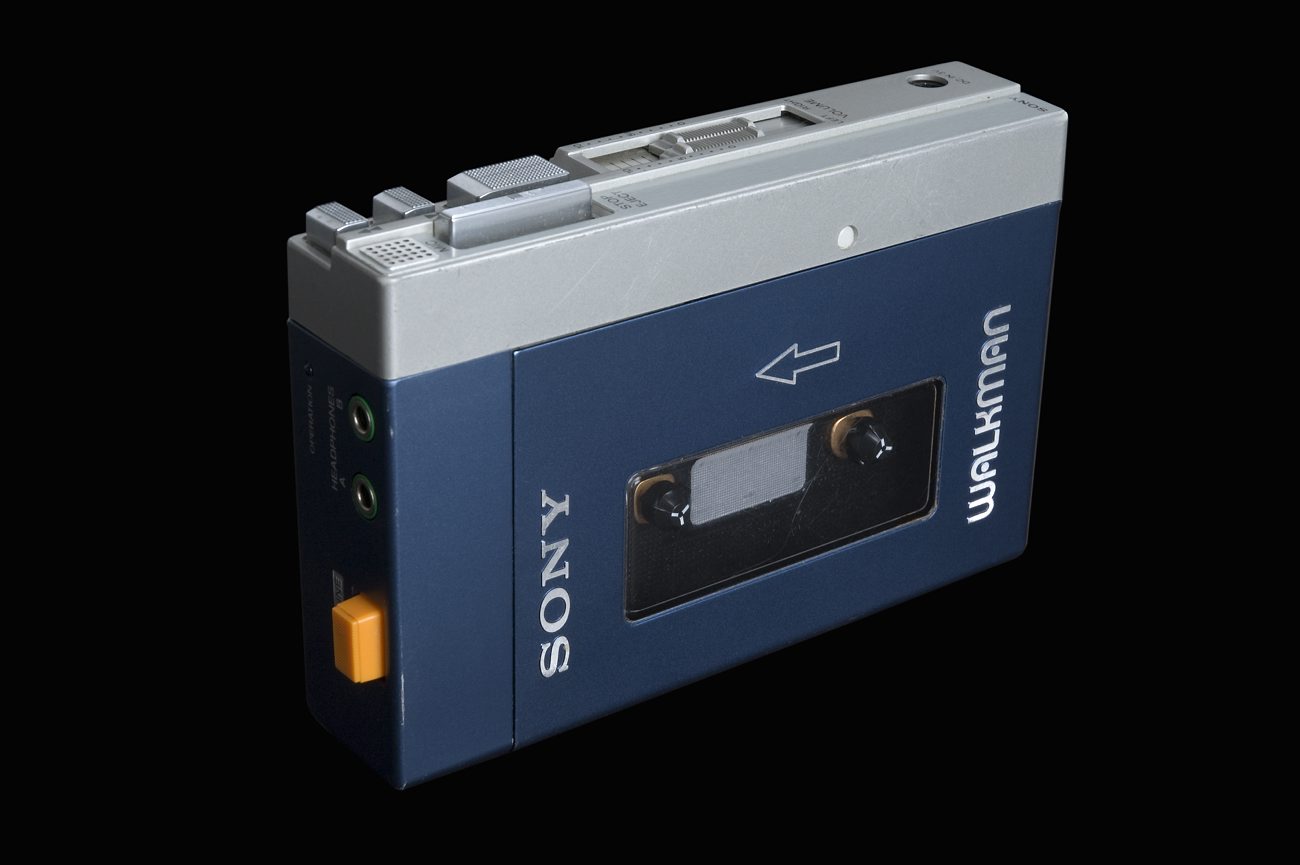
None of this works without players, and players are back on shelves. FiiO put a new portable cassette deck into production with the CP13, built as a straight analogue machine rather than a retro ornament. The French brand We Are Rewind sells cassette players with a built in rechargeable battery and Bluetooth output, which is the obvious compromise for anyone who wants tape without wiring up a hi fi.
At the vintage end, the original 1979 Sony Walkman has become a collector object, and prices on the secondhand market reflect that. A format only survives if the machines survive with it, and for the first time in years both halves of the equation are moving in the same direction.
What tape means for house and dance music
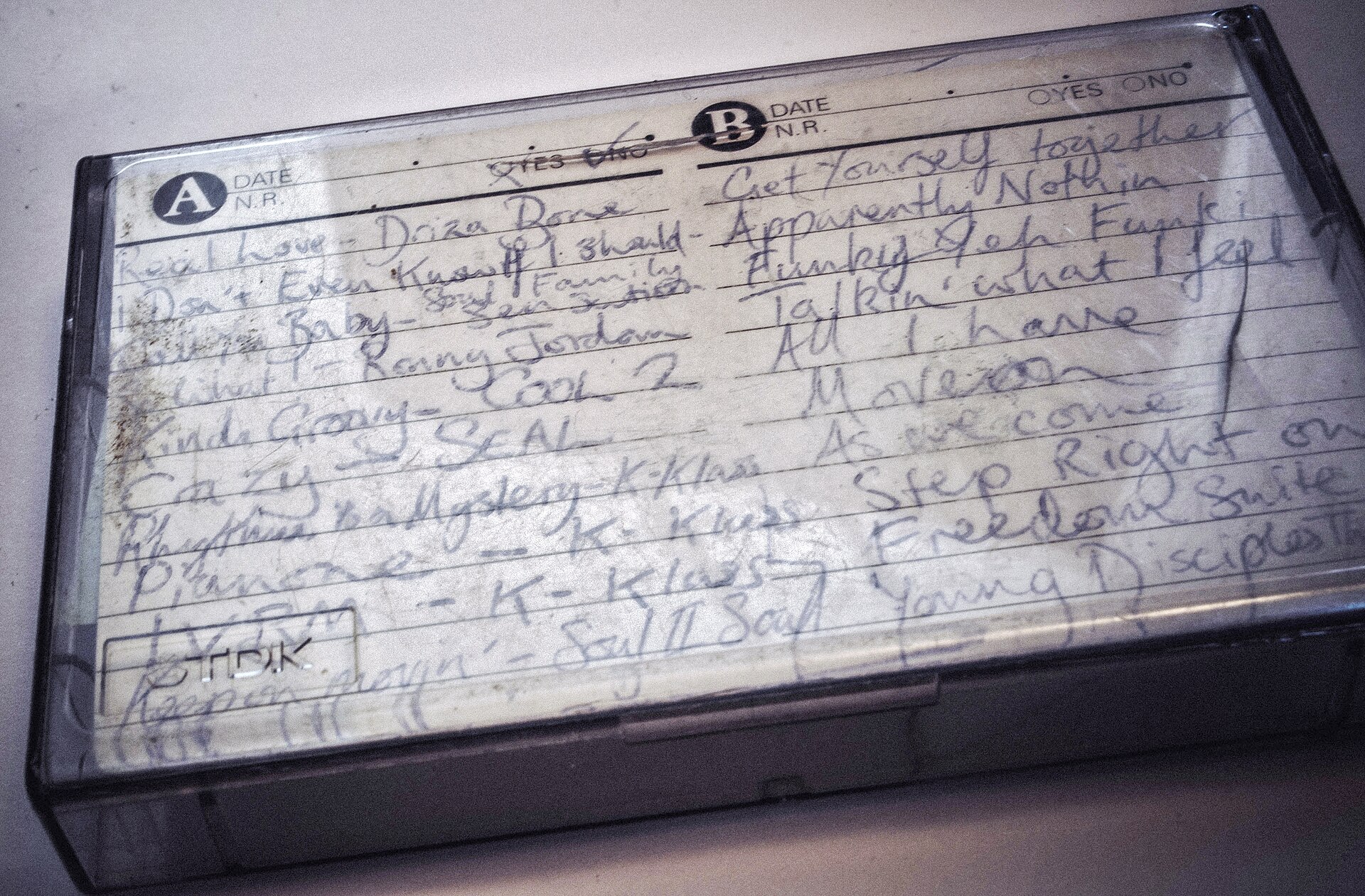
Dance music has a deeper relationship with cassette than almost any other scene. Before streaming, before CDs even, the way a DJ set travelled was on tape. Rave tape packs were the distribution network of UK club culture in the late eighties and early nineties, sold at the event or passed around afterwards, and plenty of people heard a sound before they ever heard the records that made it. That history runs straight through how the UK built rave culture.
Home taping was the other half. A blank TDK and a radio show was how a generation built a record collection they could not afford, the same instinct that had people taping Flat Beat off a television advert in 1999. The handwritten tracklist was the metadata, and it was often the only credit a track ever got.
That DIY logic is why cassette never fully left electronic music. Small labels still press short runs on tape because it is cheap, fast and physical, and because a run of 100 tapes is a viable object where a run of 100 records usually is not. The format suits a scene built on limited pressings and direct sales.
Physical is not finished
The honest reading of the 2025 cassette sales data is modest. Tape is a small format having a good year inside a physical market that is broadly healthy, with vinyl still carrying the weight and CD declining slowly rather than collapsing. Nobody is going back to tape as a primary listening format.
What the numbers do puncture is the idea that streaming ended the argument. It did not. People still want something to hold, something to label, something to hand to someone else, and that impulse has survived every format shift of the last forty years. In 2025 it bought 164,000 cassettes.