

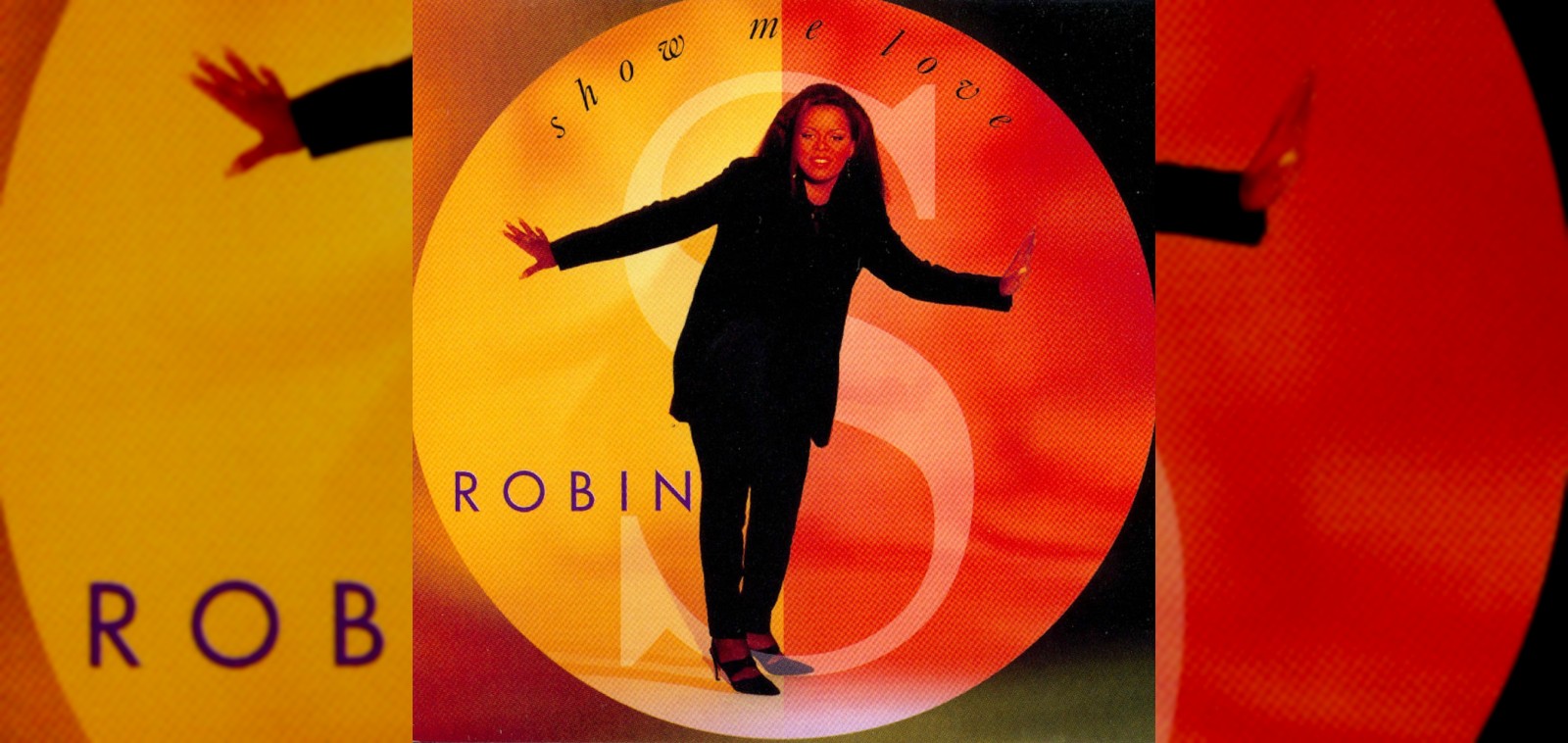
One of the most recognizable records in house music spent more than two years doing nothing at all. The Show Me Love StoneBridge remix is the reason anyone remembers it, and the sound at the center of it, that bright stabbing organ, was never a creative decision. It was the next preset on a keyboard.
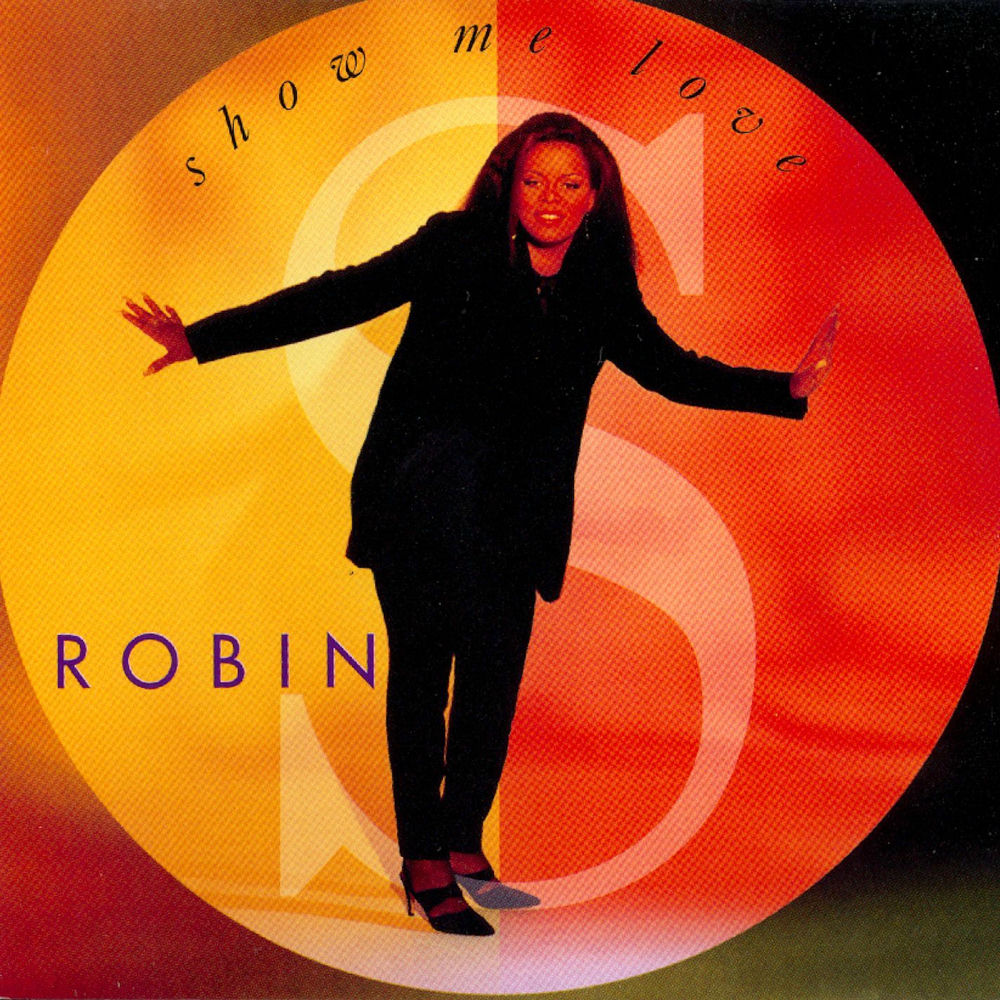
A 1990 single that nobody played
“Show Me Love” was written and produced by Allen George and Fred McFarlane, and sung by Robin Stone, a singer from Hempstead, New York, who had barely touched house music at that point in her career. Champion Records put it out in October 1990, credited to Robin Stone rather than the Robin S. name the world would learn later.
The original is not the record in your head. It is an uptempo boogie track at around 120 beats per minute, built on saxophone and piano, closer to late disco than to a Chicago warehouse. It sold almost nothing. Champion, run by Mel Medalie out of a small office in Harlesden in northwest London with Paul Oakenfold handling A&R, left it on the shelf.
How a Swedish DJ ended up with the tapes
In 1992 Champion licensed “See The Day” by Ann Conseulo, a production by the Swedish DJ StoneBridge, born Sten Hallström and part of the SweMix crew in Stockholm. With that relationship open, he asked the label whether it had anything else sitting around that he could rework. Champion pointed him at the Robin Stone record.
His first pass was cautious. He liked the original kick drum enough to keep it, held on to some of the keys, and wrote a new bassline using preset 16 on his Korg M1, a sound called Pick Bass. Medalie was unimpressed, telling him it was only okay because too much of the original was still in there.
The Korg preset behind the Show Me Love StoneBridge remix

The second attempt took a Saturday afternoon and roughly five hours before he had to leave for a gig. Working on an Atari and tape, he threw out everything except Robin’s vocal and that kick drum, then clicked one slot forward on the M1 to preset 17, an organ sound called Organ 2, and played the same kind of bassline on it. “It was a complete accident,” he told DJ Mag years later.
The accident solved a technical problem as well as a musical one. An organ patch carries almost no low end, so the kick and the organ together filled the bottom of the track and the remix needed no separate bass part at all. The M1 had been in production since 1988 and sat in half the studios making house records. Nobody had thought to build an entire song around that particular preset.
StoneBridge was paid £1,000 for the work and split it with Nick Nice of SweMix. Like most remixers at the time, he got no writing credit.
Made in 1992, a hit in 1993
The remix then sat for roughly a year before it reached shops. Champion reissued the single in the UK in January 1993 and it climbed to number 6 that April. In the United States, Big Beat and Atlantic took it to number 5 on the Billboard Hot 100 in June 1993, number 1 on the dance club chart and number 7 on the R&B chart. It is still Robin S.’s only American top 40 single, and it carried an album of the same name later that year.
The hotel room and the remix fee
StoneBridge heard nothing after delivering the mix and assumed it had failed like everything else attached to the song. Months later he was in London for a show, turned on the television in his hotel room, and found Top of the Pops playing his own remix. When he called the label to ask why nobody had told him, he says the answer was blunt: “we didn’t want your remix fee to go up.” He has repeated the line to DJ Mag with some relish.
Credits that never quite caught up
The song has a longer history of people not getting their names on it. Andrea Martin sang the original demo and has said she helped write the vocal melody, but took a flat payment of $300 instead of a writing credit. Robin S. has said she shaped melody too and also received nothing as a writer. McFarlane died in 2016. It is the same pattern that has shadowed vocal house since the beginning, the one that played out again when Janice Robinson stepped forward as the real voice behind “Dreamer”.
Beyoncé and the long tail
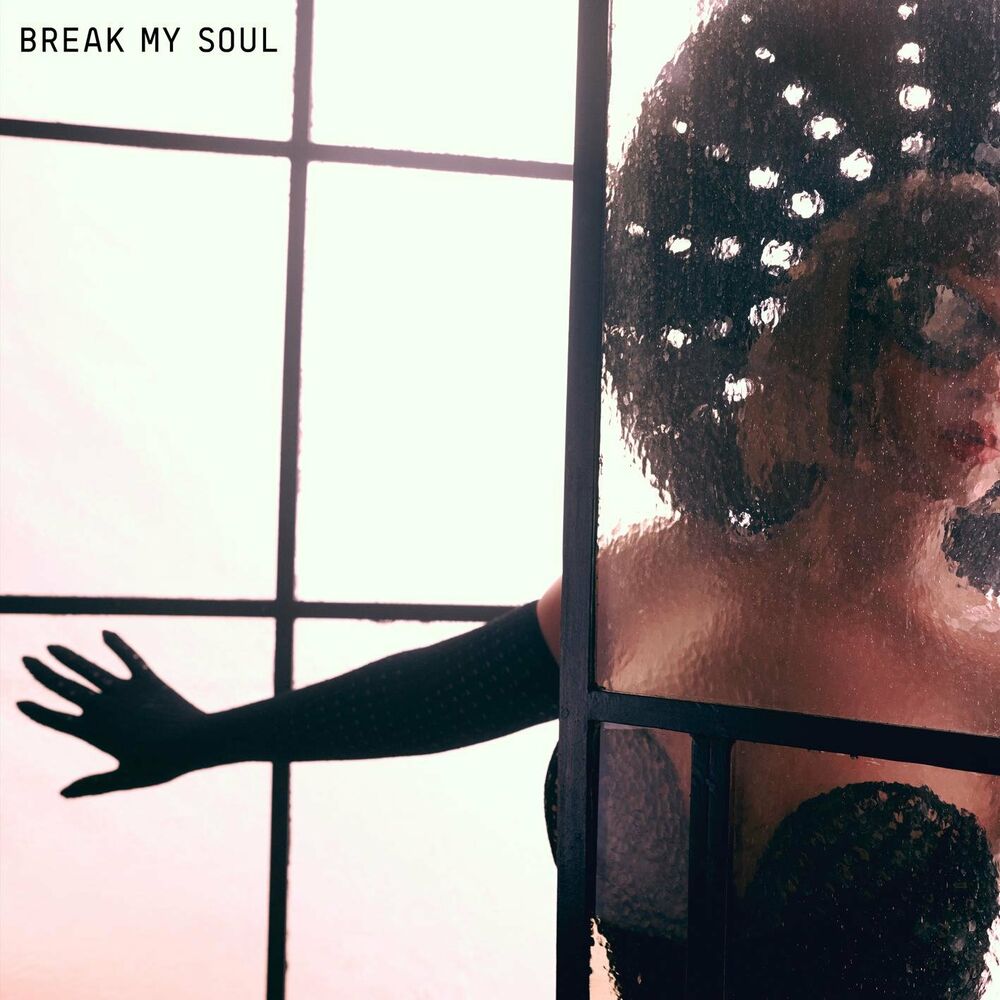
In June 2022 Beyoncé released “Break My Soul” as the lead single from Renaissance, and the credits state that it contains elements of “Show Me Love,” written by Allen George and Fred Craig McFarlane and performed by Robin S. The track reached number 1 on the Hot 100 and won a Grammy for Best Dance/Electronic Recording.
Robin S. found out the way most people find out anything now. Her son called to tell her she was trending. She described the use as one of the highest compliments she had ever received, and the attention sent a wave of licensing requests toward her catalogue. George and McFarlane are credited as writers. StoneBridge, whose arrangement is the part listeners actually recognize, is not credited at all, which is simply how remix contracts worked in 1992 and mostly still do. The same economics run under Modjo’s “Lady (Hear Me Tonight)” and the Chic riff inside it.
What the accident is worth
Strip the record back and the story is almost absurd. A failed single from 1990, one vocal, one kick drum, five rushed hours, and a keyboard preset chosen because it happened to be next in the list. Thirty three years later it is still one of the first records anyone reaches for to explain what house music sounds like. The full session detail is in DJ Mag’s longread with StoneBridge and Robin S.