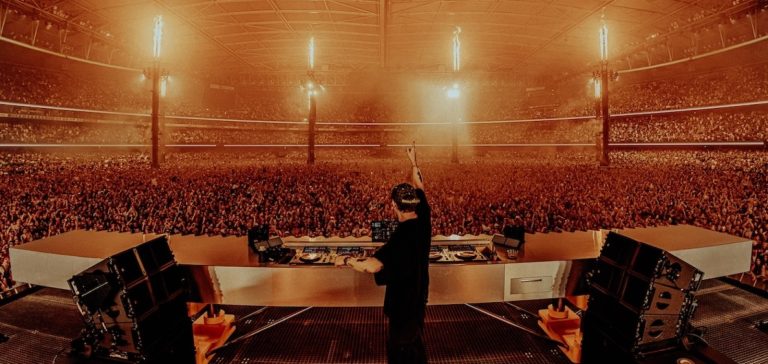

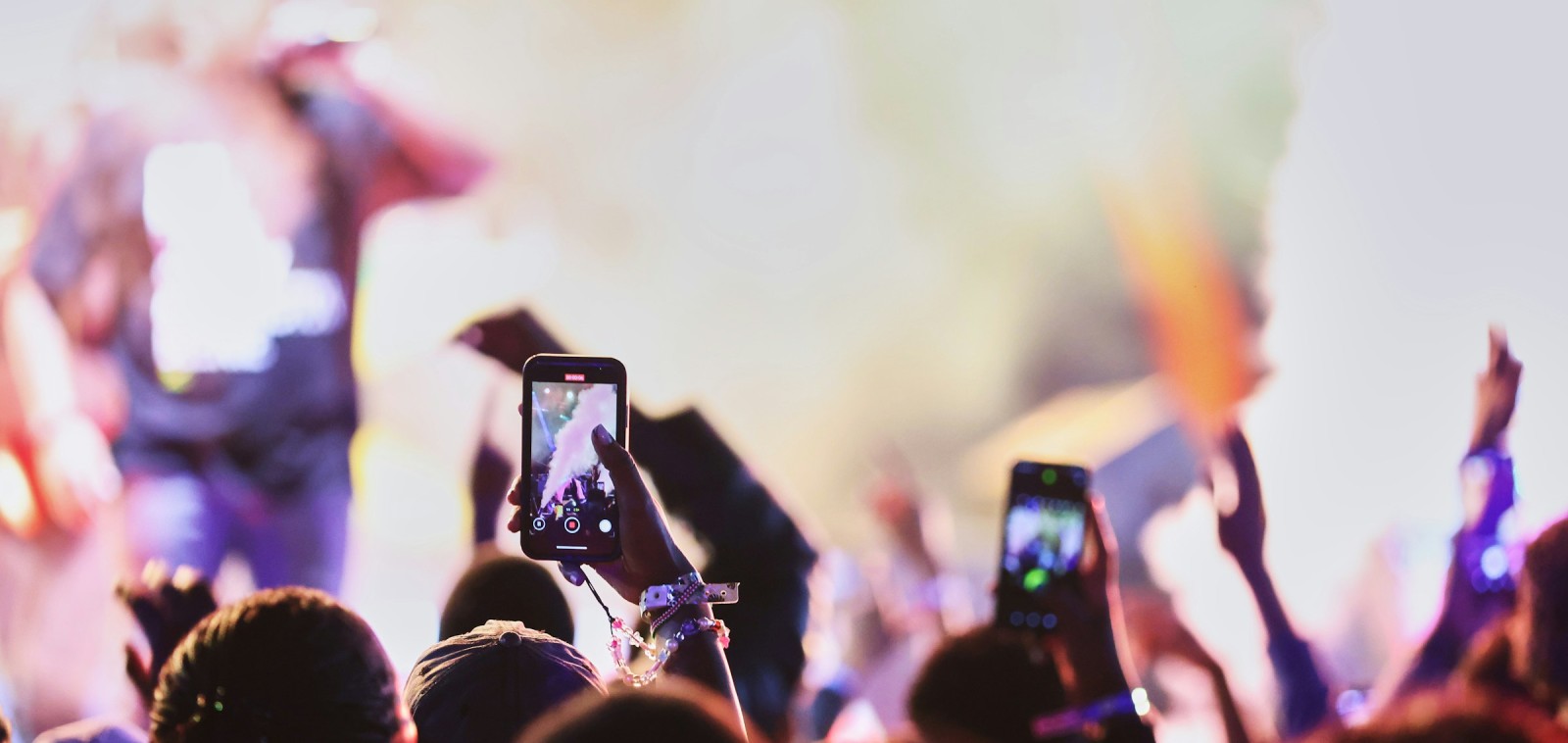
Phone free dancefloors used to be a Berlin eccentricity that the rest of the world admired from a safe distance. In 2026 they are one of the fastest growing formats in live events, and the shift is no longer anecdotal. Clubs from Ibiza to Manchester to Washington are asking people to put their cameras away, and the crowds keep turning up anyway.
The data behind phone free dancefloors
Figures from Eventbrite, reported by DJ Mag in April 2026, finally put numbers on something promoters had only been able to describe as a feeling. Phone free events have grown 567 percent since 2024. Attendance at them rose 121 percent between 2024 and 2025, and the format spread from five countries to twelve.
The United Kingdom is the clearest case. Advertised phone free events there grew 1,200 percent, with attendance up 1,441 percent. In the United States the volume of phone free events rose 388 percent and attendance climbed 913 percent, with many of those events doubling in size during 2025.
The same research suggests why. Seventy nine percent of respondents said they were seeking spontaneity in their live experiences, and around half of Gen Z and millennial respondents said they gravitate toward events that feel less curated and less performative.
Clubbers say phones ruin the room, then reach for them anyway
A Censuswide survey of 2,000 UK adults, carried out in October 2025 and commissioned by Meta, found that more than half of people who go to nightclubs agree phones are ruining the dancefloor. The same survey found that 55 percent admit to using a phone on the dancefloor regardless, and that 60 percent of those use it to film themselves and their friends.
Asked what actually makes a dancefloor special, 47 percent said the music itself, 43 percent said dancing with friends and 31 percent said being lost in the moment. Nobody picked the footage.
The contradiction is not new. A 2018 study carried out by ComRes for Eventbrite found that 70 percent of ravers were irritated by other people filming, that 69 percent backed some form of action, and that 65 percent felt recording made them miss out on the night. Roughly half admitted to filming anyway.
“Do I find myself playing to a forest of phones waving in the air? Of course,” Anja Schneider said at the time. “You can’t see the people, you can’t see the vibe. You can’t see people’s faces.”
How venues actually enforce it
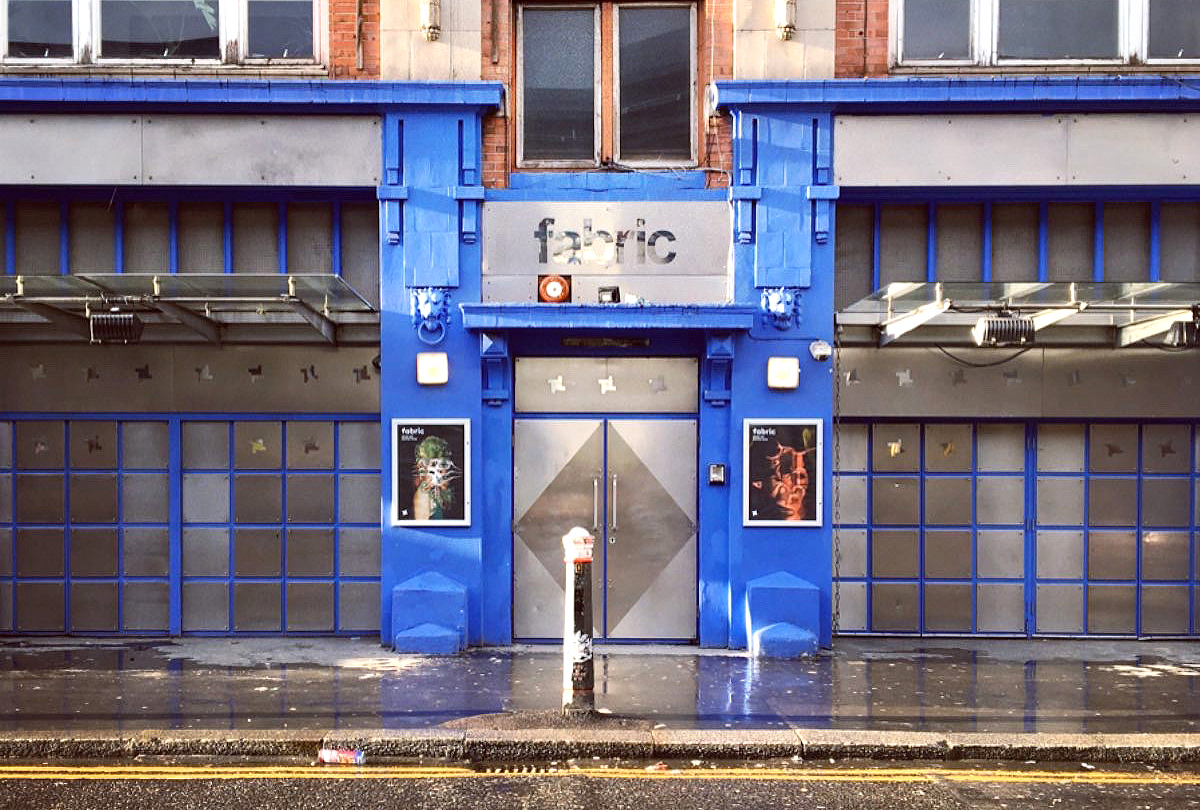
Berghain has covered camera lenses with stickers for years, and for a long time it was the outlier. fabric introduced its first official no unauthorised photo or video policy in 2021, saying the rule “removes the distraction” and “allows you to focus on what matters, the music”. East London’s FOLD has run a no filming rule since it opened in 2018.
Ibiza moved later and faster. Pikes started with Monday nights in April 2024 and extended the ban to seven nights a week that August, placing a sticker over each guest’s phone camera at the entrance to the grounds. Hï Ibiza brought the policy into its Club Room on 18 May 2024 for Damian Lazarus and his Saturday residency alongside Black Coffee, then applied it to the James Hype and Meduza Club Room nights.
Lazarus has said the change took hold faster than he expected, and that the room began enforcing itself. “Someone would put a phone up to film and a stranger next to them would tell them not to,” he told Beatportal. “It was quite something to watch.”
At the strict end of the scale sit lockable pouches, usually made by Yondr, which seal the phone magnetically so you keep it on you but cannot look at it. In the middle are camera stickers. At the softest end is a sign and a polite request, which works better than most people expect.
From Manchester to Washington
The Warehouse Project announced its own policy on 6 August 2025, alongside the lineup for a season that opened on 6 September at Depot Mayfield. Crucially it applies only to selected shows in Concourse, the venue’s smaller room, with headline sets from Annie Mac, DJ Heartstring, D.O.D, &ME and ANOTR. The promoter also committed to sharing official photos and video with everyone who attended afterwards, which removes the usual objection about going home with nothing.
“We want to take the clubbing experience back to its core,” founder Sam Kandel said, adding that “we are sharing our amazing content with everyone at the end of the evening.” The same operation later confirmed it would take a fallow year after its twentieth anniversary.
In Washington DC, Tigres de la Noche opened in Union Market in June 2026 with a capacity of 230 and a policy that leaves no grey area: every phone goes into a Yondr pouch at the door. Promoter Nayef Issa said the response has been overwhelmingly positive, with only five to ten people walking out because it was not for them.
“The DJs so far have experienced the energy of the room, saying that it’s just such a totally different vibe,” Issa said.
The list keeps growing elsewhere. Amber’s in Manchester built its reputation on being phone free. Nocturna opened in Ibiza with the policy already in place, and The Green Room in New York did the same. What was once a single club’s house rule is turning into a category.
Not everyone is convinced
There is a real argument on the other side, and it is not coming from people who film entire sets. “I don’t have a problem with people having phones on the dance floor as I think it’s fine for people to want to capture moments,” the London producer Parris told Beatportal. “It’s nice to have something you can watch back to help you remember a moment.”
Anna Prior has made a similar case, saying she would rather a clubber took home “a digital memory from their night out” than be told what to do with their own phone. Norman Cook lands somewhere in between. He has said that “a lot of the clubs in Berlin and Ibiza are doing that and the atmosphere is better”, while stopping short of calling for a ban: “I’d just ask people to use some kind of self control.”
Where phone free dancefloors go next
The interesting part is no longer whether the policy works. Venues that have run it for a season tend to keep it, and the attendance figures suggest the audience is not being scared off. The open question is how far it travels before it stops being a selling point and simply becomes house rules, the way smoking bans did.
For now it remains a choice, and a legible one. A club that locks your phone in a pouch is telling you exactly what kind of night it wants to be, and a growing number of people are reading that as a reason to go rather than a reason to stay home. The same instinct is showing up elsewhere on the dancefloor, from who is actually turning up to rave to what people want from a room once they get there.