

On a Monday morning in October 1998, the last record faded out inside a converted parking garage on Junghofstraße and one of the most important clubs in German techno simply stopped existing. The Omen Frankfurt closing had already run across an entire weekend by that point. By Sunday the party had pushed out of the building and into the street, and the police response was not to shut it down but to close the road.
Omen lasted exactly ten years. What happened in its final stretch says more about what the club meant to the city than any anniversary compilation ever could.
Ten Years That Turned a Parking Garage Into a Techno Landmark
Omen opened in 1988 on the ground floor of a parking garage on Junghofstraße, in the middle of Frankfurt near the Hauptwache and the Roßmarkt. Sven Väth, Michael Münzing and Matthias Martinsohn took over an existing disco called Vogue and rebuilt it from scratch.
Within a few years the club was being voted the best techno club in Germany by the magazine Groove. Alongside Dorian Gray at Frankfurt Airport, it became the address that defined the city far beyond the Rhein Main region. Carl Cox, Jeff Mills, Chris Liebing, DJ Dag, Frank Lorber, Gayle San and Toni Rios all played there. Väth treated the place as his living room and was known for Friday sets that could run up to 15 hours.
The club’s gravity showed up on vinyl too. When Väth’s Harthouse label released the second volume of its compilation series in 1993, it was titled Dedicated To The Omen. The sound leaving Frankfurt in those years ran straight into the wider canon of tracks that changed house music, while Berlin was building its own version of the same idea out in the open air.
Why the Omen Frankfurt Closing Happened
The ending was not a scene problem or a licensing fight. The owner of the building threatened to terminate the lease, and after ten years the club had no way to stay. The parking garage that housed it was later demolished, so there is nothing left on Junghofstraße to mark the spot.
Three Closing Parties and an 18 Hour Set
Omen did not say goodbye once. There were three closing parties in that final week: one on the Monday, one on the Wednesday, and then the grand finale, which started on Friday 16 October 1998 and ran without interruption until Monday morning. Väth spent 18 of those hours behind the turntables.
That last stretch is where the “nearly 72 hours” figure that still circulates comes from. In practice it was less a club night than a slow collective refusal to accept that the room was closing.
When Police Closed Junghofstraße for the Crowd
The real crush arrived on the Sunday. So many people turned up that hundreds were left standing outside with no chance of getting in. Rather than send them home, the organizers put a few speakers out on the pavement so the music could be relayed to the street.
The police did not break it up. They closed Junghofstraße to through traffic for several hours so the crowd outside could keep dancing undisturbed. For a genre that spent most of the 1990s arguing with local authorities about noise, curfews and permits, an effectively sanctioned street rave in the middle of Frankfurt’s banking district was an unusual way to go out. Berlin had spent the decade making the same argument on a much larger scale, a fight documented in the Love Parade documentary that premiered on ARD this year.
The Last Record Played at Omen
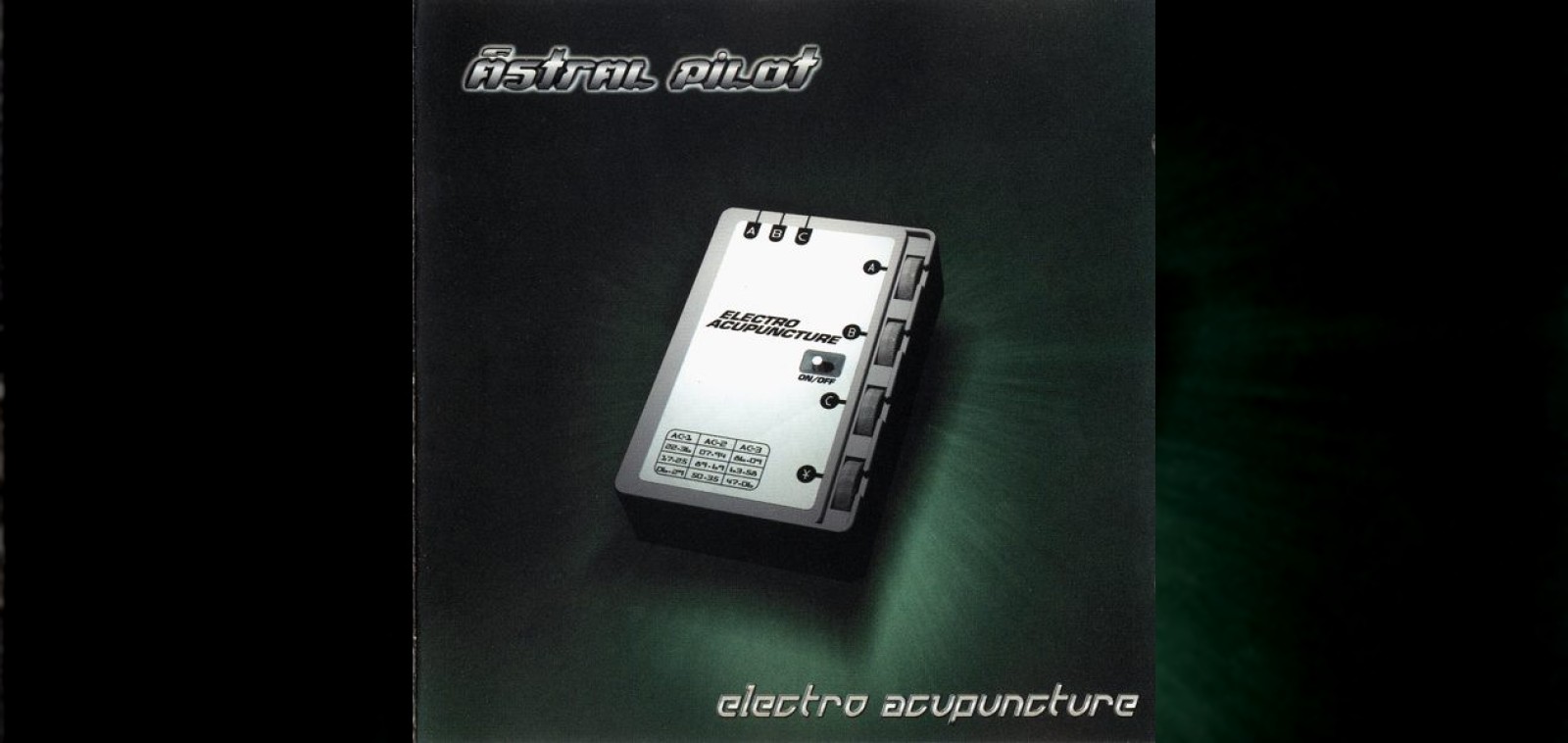
When the room finally emptied on Monday morning, the last track heard inside Omen was “The Day After” by Astral Pilot. It runs 21 minutes and 2 seconds, and it was played in full.
The choice was not random. Astral Pilot was never a visiting act. The alias belonged to Väth and his Harthouse collaborator Stevie B-Zet, and “The Day After” closed their 1995 album Electro Acupuncture. A long, drifting comedown record, made by the man who built the club, used to switch the lights off inside it for the last time.
What Omen Left Behind
The club kept a second life for another decade. An annual Omen Memorial Day ran every October from 1999 to 2004, followed by the Omenforum Technoclassics events from 2005 to 2008, both of them built around the same records and largely the same crowd.
Väth moved forward quickly. He launched Cocoon Recordings in 2000 and took the Cocoon party to Ibiza the same season, then opened the Cocoon Club in Frankfurt in 2004, which lasted until 2012. Twenty eight years on, the detail that survives from the Omen Frankfurt closing is not the lineup or the sound system. It is a few hundred people on a road the police had closed for them, refusing to let the weekend end.
Sources: FAZEmag, Discogs. Originally surfaced via @housemusic.us on Instagram.