

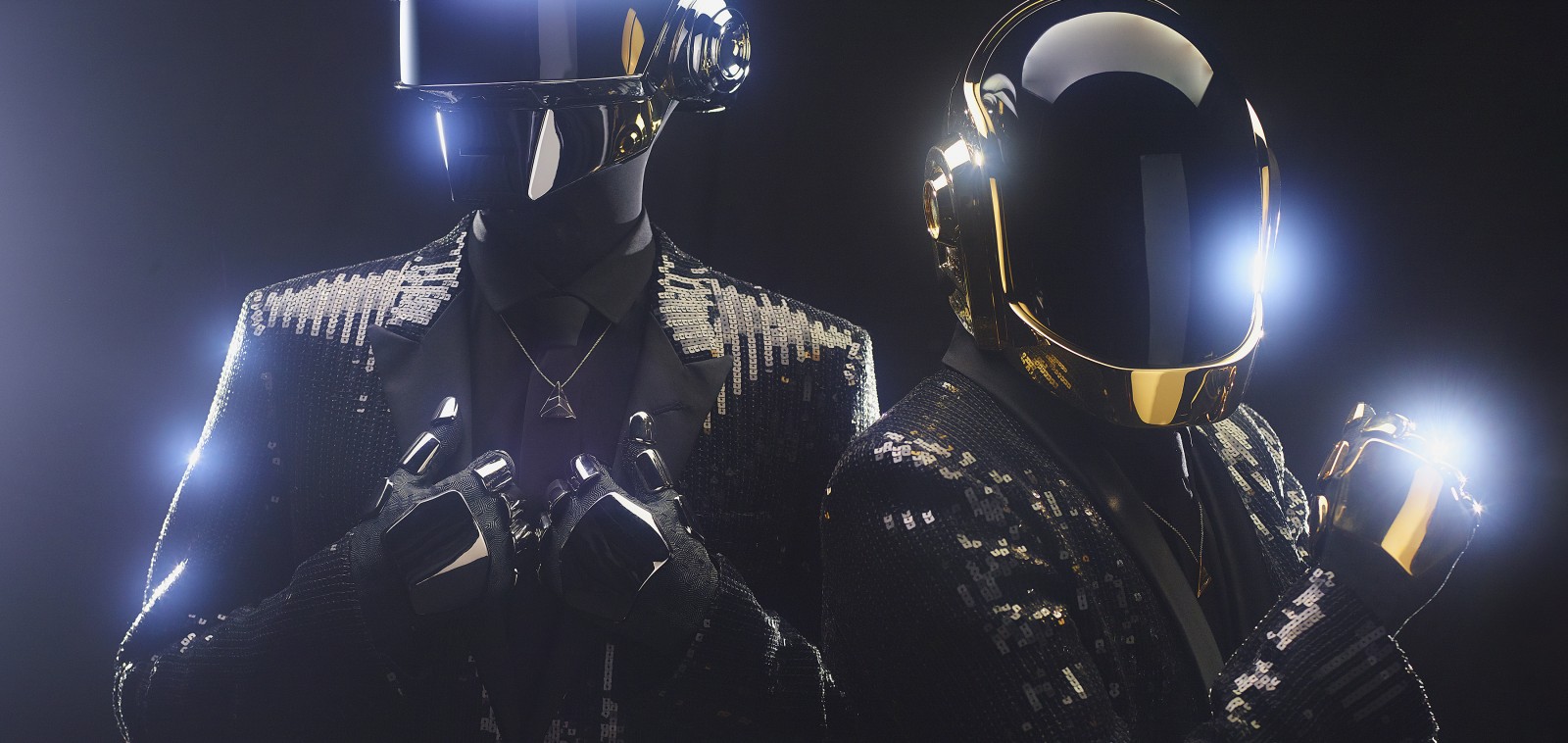
Every genre has its turning points, and house is no exception. The tracks that changed house music were not always the biggest sellers of their day, but each one shifted the sound, pushed it into new territory, or carried it to audiences who had never set foot in a Chicago club. This list runs from the founding records of the mid 1980s to the French touch era that closed the century, and together they explain how a local Chicago sound became a global language.
The Chicago and Detroit blueprint
Marshall Jefferson, Move Your Body (1986). Subtitled The House Music Anthem, and for good reason. Released on Trax Records, it is widely credited as the first house record built around a pounding piano line, and it gave the genre a template that producers still lean on four decades later. Jefferson, sometimes called the father of house, wrote it while working a night shift at the post office in Chicago.
Frankie Knuckles and Jamie Principle, Your Love (1987). Jamie Principle recorded the original version in 1986, and Frankie Knuckles released his definitive take on Trax Records the following year. Built on a hypnotic bassline and Principle’s whispered vocal, it distilled everything Knuckles had been doing at the Warehouse and the Power Plant, the clubs where house music got its name. It remains one of the most sampled records in dance music.
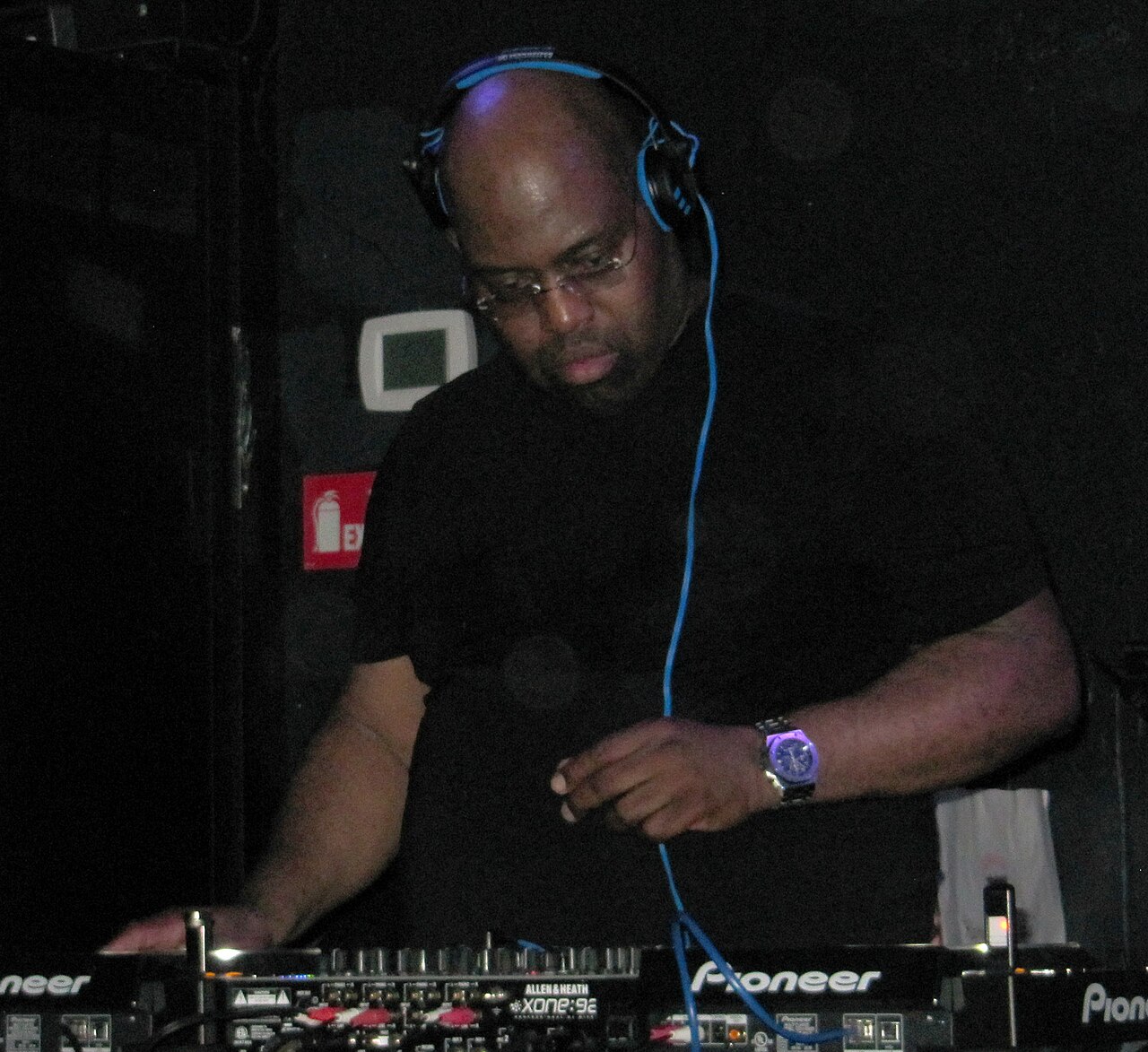
Inner City, Good Life (1988). Kevin Saunderson came from Detroit techno, singer Paris Grey delivered pure joy, and the result sat exactly on the line between the two cities. Good Life became an international hit and proved that machine music from the American Midwest could carry warmth, melody and mainstream appeal without losing its soul.
House storms the charts
Crystal Waters, Gypsy Woman (She’s Homeless) (1991). Produced by the Basement Boys, its “la da dee, la da da” hook turned a song about a homeless woman into one of the most recognizable refrains in dance music. It reached the top ten of the Billboard Hot 100 and showed that house could tackle social themes and still fill radio playlists.

Robin S, Show Me Love (1993). The original came out on Champion Records in 1990 and went mostly unnoticed. Then Swedish producer StoneBridge rebuilt it around an organ bass preset from his Korg M1, and the remix became a top ten hit in seven countries, including the US and the UK. That organ sound has been imitated ever since, and DJ Mag has called the record one of dance music’s most iconic anthems.
The remix era goes global
Everything But The Girl, Missing (Todd Terry Remix) (1995). The original was a quiet album cut from Amplified Heart. Todd Terry’s remix gave Tracey Thorn’s melancholy vocal a house pulse, and the record climbed all the way to number two on the Billboard Hot 100 while topping charts in Canada, Germany and Italy. It remains the definitive proof of what a remix can do for a song.
La Bouche, Be My Lover (1995). Fronted by the late Melanie Thornton, this German production blurred the line between Eurodance and house and became a top ten hit on the Billboard Hot 100. Purists argued about where it belonged, but dancefloors did not care, and its DNA is all over the piano house revival of recent years.
The French touch revolution
Stardust, Music Sounds Better With You (1998). A one off project by Thomas Bangalter of Daft Punk, Alan Braxe and vocalist Benjamin Diamond, built on a loop from Chaka Khan’s Fate and released on Bangalter’s Roulé label. One riff, one vocal phrase, endless euphoria. It is still the high water mark of French filter house.
Modjo, Lady (Hear Me Tonight) (2000). Two French students sampled Chic’s Soup for One and ended up with a UK number one single. Lady closed the loop between disco and house, making explicit the debt the genre had always owed to Nile Rodgers and Bernard Edwards.
Daft Punk, One More Time (2000). Finished in 1998 and kept on the shelf until November 2000, the lead single from Discovery paired Romanthony’s heavily processed vocal with a filtered horn loop and became a number one single in France and a number two hit in the UK. For a generation of fans it was the first house record they ever loved. The duo’s story before the robot helmets is its own fascinating chapter.
Why these tracks that changed house music still matter
Play these ten records back to back and you hear a genre learning to speak. Chicago and Detroit built the grammar, New York and Europe carried it onto the charts, and France gave it a cinematic finale. Their grooves, vocals and production tricks still surface every weekend in clubs and festivals around the world, and pioneers on both sides of the Atlantic are finally getting their historical due. House music keeps evolving, but it keeps returning to these blueprints, because they still work.