

Cover photo: Aqua performing at Caesars Windsor, Ontario, in September 2025. Photo: Chris Woodrich, CC BY-SA 4.0.
Ask a room full of ravers to name the best eurodance songs of all time and you will start a fight. Eurodance was never the sound of one city. It was a continental export business, built in studios from Stockholm to Turin, and almost every country in Europe can point to at least one record that conquered the charts far beyond its borders. Here are nine nations and the anthem each one would put forward, with the stories that sit behind the hooks.
Denmark: Aqua, “Barbie Girl” (1997)
Aqua were a Danish and Norwegian group, and “Barbie Girl” came out in Denmark in the spring of 1997 before rolling across Europe, the United States and Japan. In the UK it debuted at number two and climbed to number one a week later, holding the top spot for four weeks. In America it entered the Billboard Hot 100 at number seven.
The song also produced one of pop’s most famous legal fights. Mattel sued MCA Records in 1997, and in 2002 the Ninth Circuit ruled that the track was protected as parody. The case was dismissed, and the song outlived the controversy by decades.
Italy: Eiffel 65, “Blue (Da Ba Dee)” (1998)
“Blue (Da Ba Dee)” was developed in Turin by future members of Eiffel 65 while they worked at the production house Bliss Corporation. It was released in Italy in October 1998 and exploded internationally in 1999, reaching number one in the UK and number six on the Billboard Hot 100 in January 2000. It even earned a Grammy nomination for Best Dance Recording. Few songs built on a pitched up vocal and a single color have travelled further.
Finland: Darude, “Sandstorm” (1999)
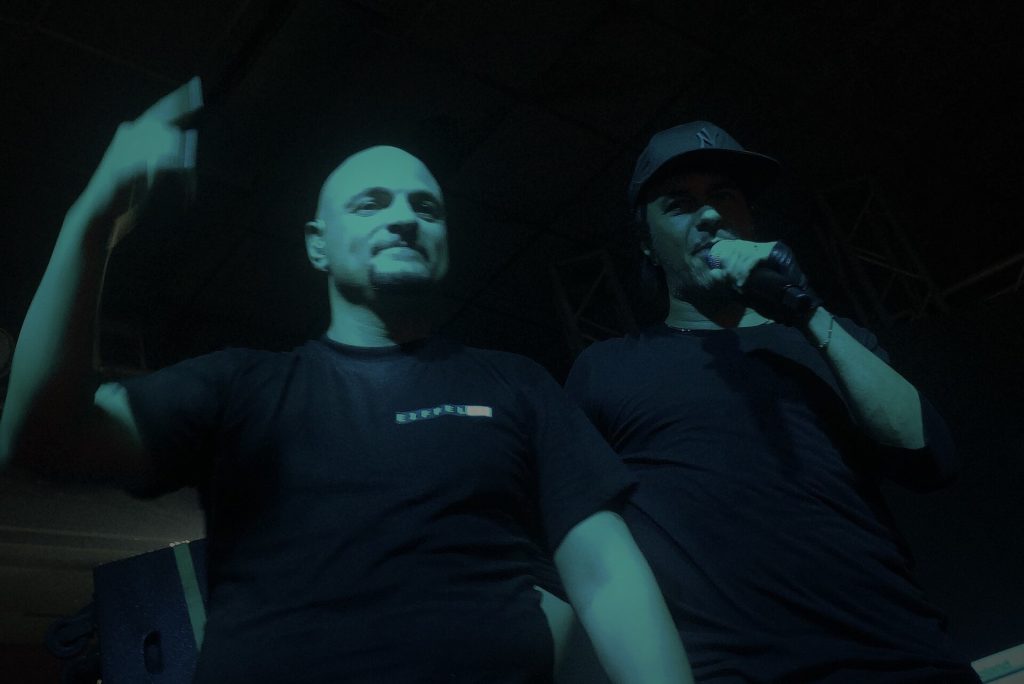
Darude, the producer born Ville Virtanen, released “Sandstorm” in Finland in October 1999 on 16 Inch Records, and it spread worldwide through 2000. Purists will tell you it is an instrumental trance record rather than strict eurodance, and plenty of people in the comments on our original post said exactly that. But no list of turn of the millennium club anthems is complete without it, and its afterlife as a stadium and internet staple has made it arguably the most recognizable instrumental on this list.

Belgium: Technotronic, “Pump Up the Jam” (1989)
The oldest record here is also one of the most influential. “Pump Up the Jam” was released in August 1989, produced by Belgian musician Jo Bogaert under the alias Thomas de Quincey. It peaked at number two in both the UK and on the Billboard Hot 100, proving that a hip house record from Belgium could compete anywhere.
The story behind the video is part of the legend. The vocals were performed by Ya Kid K, but it was Congolese model Felly Kilingi who appeared in the clip and on the cover, lip syncing the lyrics. For a lot of fans, Belgium wins this debate on history alone. It is the record that helped open the door for the eurodance boom of the early 90s.
Romania: Edward Maya, “Stereo Love” (2009)
Edward Maya and Vika Jigulina turned an accordion hook into one of the biggest European dance hits of its era. That hook has a complicated origin. In 2009 Azerbaijani composer Eldar Mansurov heard the song and claimed its melody came from his 1989 composition “Bayatılar.” Maya said he had been fascinated by an accordion version of the piece he found online, and in January 2010 the two signed an agreement in Baku recognizing their joint authorship.
Moldova: O Zone, “Dragostea Din Tei” (2003)
O Zone was a Moldovan group formed by Dan Balan, who wrote and composed “Dragostea Din Tei.” The band had moved to Romania in 2002 in search of a bigger market, and the song was released there in 2003, sung entirely in Romanian, before reaching number one across much of Europe and number three in the UK.
Then the internet took over. In December 2004, American vlogger Gary Brolsma uploaded his “Numa Numa Dance,” lip syncing to the track at his desk. The clip passed 700 million views within two years and is often cited as one of the earliest viral memes.
Sweden: Dr. Alban, “It’s My Life” (1992)
Sweden’s pop machine has a eurodance chapter, and this is its centerpiece. Nigerian Swedish artist Dr. Alban released “It’s My Life” on SweMix in February 1992, produced and cowritten by Denniz PoP, the Stockholm producer whose studio would soon shape global pop. The song went to number one in Sweden, spent eight weeks at number one in Germany, and reached number two in the UK, where only The Shamen’s “Ebeneezer Goode” kept it off the top.

Germany: Cascada, “Everytime We Touch” (2005)
Cascada’s breakthrough borrowed its chorus from Maggie Reilly’s 1992 song of the same name and fused it with hard hitting euro trance production. Produced by Manian and Yanou, it reached number two in the UK and number ten on the Billboard Hot 100 in March 2006, an unusually strong result for a German dance act in America.
Spain: DJ Sammy, “Heaven” (2002)
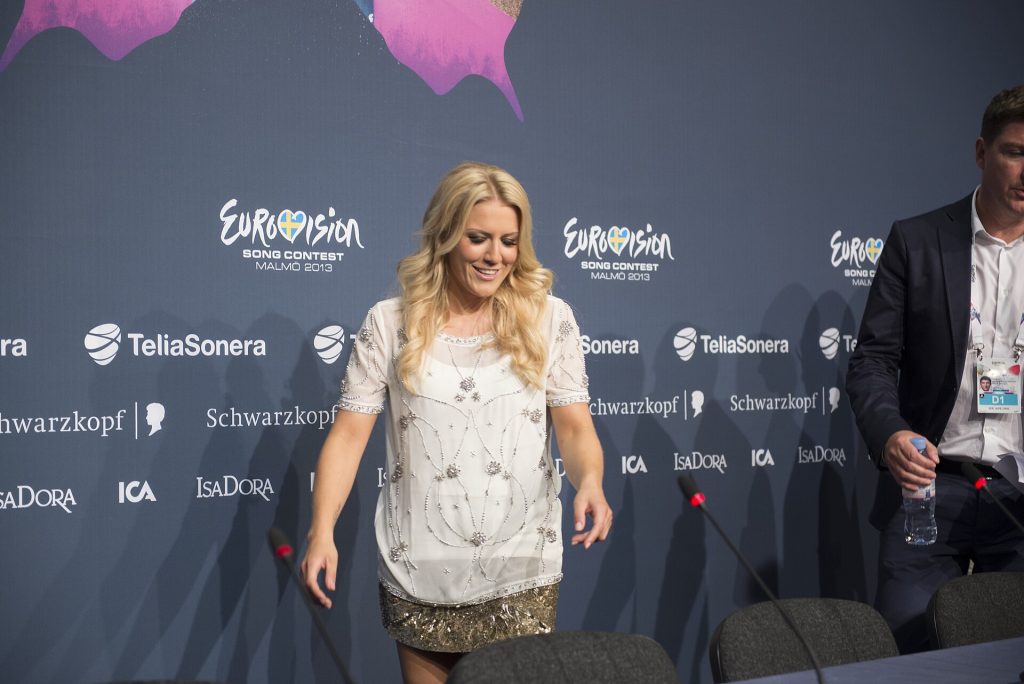
Spanish DJ Sammy teamed up with German producer Yanou and Dutch singer Do to rework Bryan Adams’ 1985 ballad “Heaven” as a trance ballad. It reached number one in the UK in November 2002. There is a neat link to the German entry above: the same Yanou who produced “Heaven” with Sammy also produced Cascada’s “Everytime We Touch.”
So which country wins?
On pure chart history, Denmark and Italy make strong cases with UK number ones that still define the late 90s. On influence, Belgium’s Technotronic got there first. On cultural afterlife, Moldova’s “Dragostea Din Tei” and Finland’s “Sandstorm” have lived on in memes, stadiums and wedding playlists long after their chart runs ended. Our followers leaned heavily toward Sandstorm and Belgium, with Romania close behind.
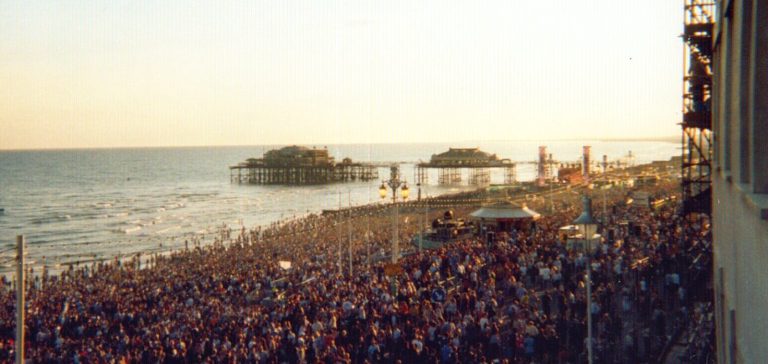
The truth is that eurodance worked because it was shared. Producers swapped vocalists across borders, hooks crossed languages, and records from small markets became global hits. If you want more stories about the records behind the dancefloor, read about the disco sample behind Daft Punk’s “One More Time” or revisit Fatboy Slim’s Brighton Beach party in 2002. For the full chart record of each single, the Official Charts Company archive is the place to start.