
Germany’s highest civil court has closed one of the longest running copyright fights in music, and it closed against the pioneers. On 3 September 2026 the Federal Court of Justice in Karlsruhe dismissed Ralf Hütter’s appeal in the Kraftwerk sampling ruling, holding that two seconds of metallic percussion lifted from “Metall auf Metall” and looped underneath a 1997 German rap record is lawful as a pastiche. The first claim was filed in Hamburg in 1999. Twenty seven years later, the sample stays.
The decision, docketed as I ZR 74/22, is the final German word on a dispute that has already passed through the Federal Constitutional Court and twice through the Court of Justice of the European Union. For anyone who builds records out of other people’s records, it is the clearest statement yet on where the line sits.
What the Kraftwerk sampling ruling actually decided
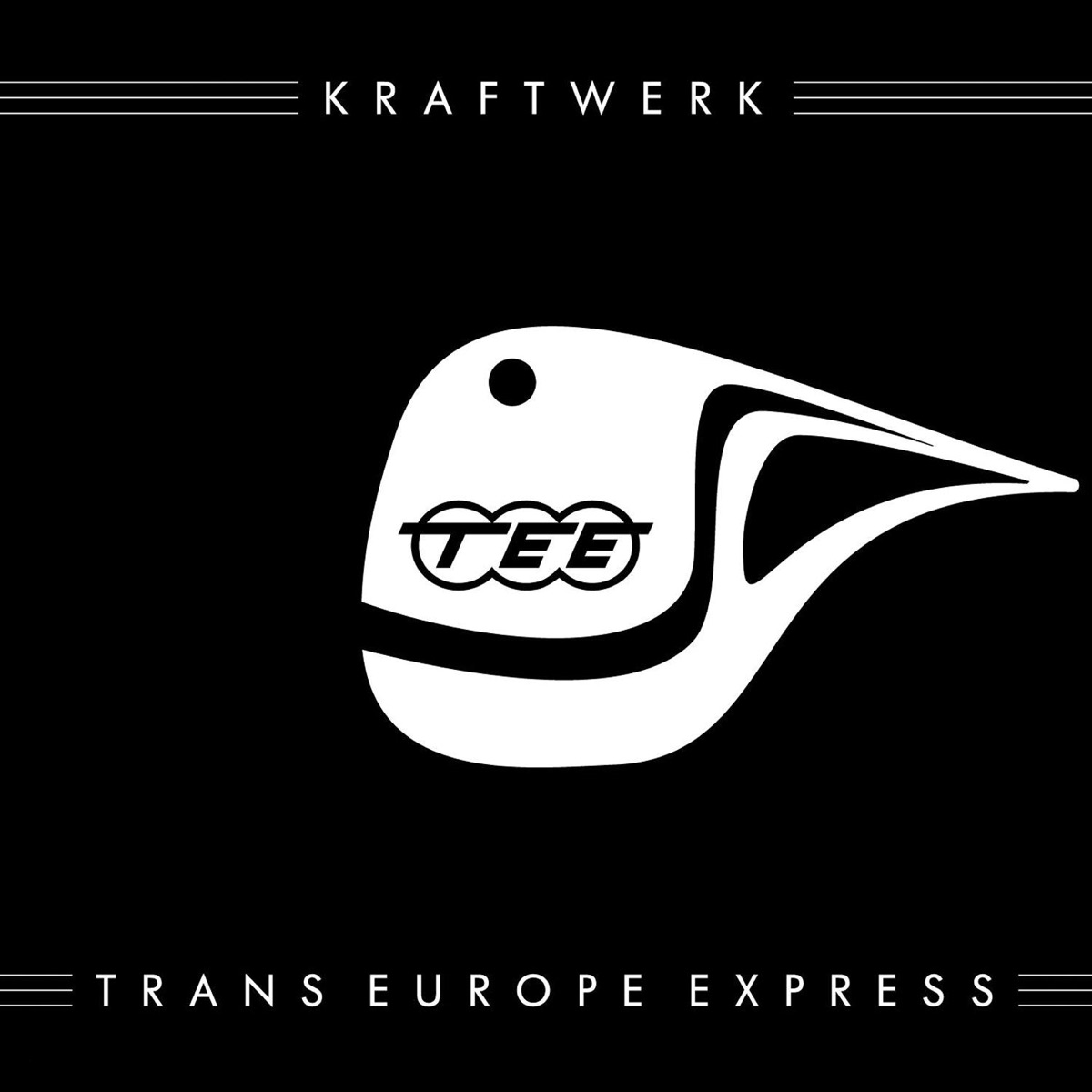
The disputed sound is a short rhythm sequence from “Metall auf Metall”, a track on Kraftwerk’s 1977 album Trans Europa Express, released internationally as Trans Europe Express. Producer Moses Pelham copied the passage electronically, slowed it slightly and ran it as a continuous loop under “Nur mir”, a song recorded by rapper Sabrina Setlur and released on phonograms in 1997.
The First Civil Panel did not call the copying harmless. It confirmed that the sampling does interfere with Kraftwerk’s rights as phonogram producers and performers, and with Hütter’s rights as the copyright holder. What rescues it is section 51a of the German Copyright Act, the caricature, parody and pastiche exception that entered into force on 7 June 2021 to implement Article 5(3)(k) of the EU Copyright Directive. The claims still alive on appeal covered use from that date onwards, so the newer provision governed, and the panel found that the loop qualified.
The court also drew the boundaries of the exception, and drew them narrowly enough to matter. Pastiche is not a catch all. It covers creations that evoke one or more existing works while remaining noticeably different from them, borrowing protected elements, including by sampling, in order to engage those works in an artistic or creative dialogue that is recognisable as such. Overt stylistic imitation, tribute, and humorous or critical engagement all count. The decisive point is that the pastiche character has to be recognisable to a listener who already knows the source. No particular intention on the producer’s part is required, which is a far lower bar than the industry had hoped for. The full reasoning is set out in the court’s own summary of the judgment.
Presiding judge Thomas Koch noted that Pelham had carried an electronic music element across into a different genre, which the panel treated as exactly the sort of exchange the exception exists to protect.
Twenty seven years, five courts, two referrals to Luxembourg
The procedural history of this case doubles as a map of modern European copyright law. Hütter and a fellow Kraftwerk member who died in April 2020, and whose successor in title took over the claim, sued in Hamburg in 1999. What followed was a loop of its own.
- 2004: the Hamburg Regional Court upholds the action.
- 2006 and 2011: the Hamburg Higher Regional Court rejects Pelham’s appeals twice.
- 2008 and 2012: two Federal Court of Justice judgments, known as Metall auf Metall I and II, go against the producer.
- 2016: the Federal Constitutional Court sets those judgments aside on artistic freedom grounds and sends the case back.
- July 2019: the Court of Justice of the European Union rules in Pelham and Others (C-476/17) that sampling is reproduction unless the fragment is modified so that it is unrecognisable to the ear.
- 2020: the Federal Court of Justice returns the case to Hamburg once more.
- April 2022: the Hamburg Higher Regional Court dismisses the claims covering use from 7 June 2021 onwards, the date section 51a took effect.
- September 2023: the Federal Court of Justice stays proceedings and asks Luxembourg what “pastiche” actually means.
- April 2026: the Court of Justice answers in C-590/23, setting the standard the German panel has now applied.
Relief in the studio, alarm in the boardroom
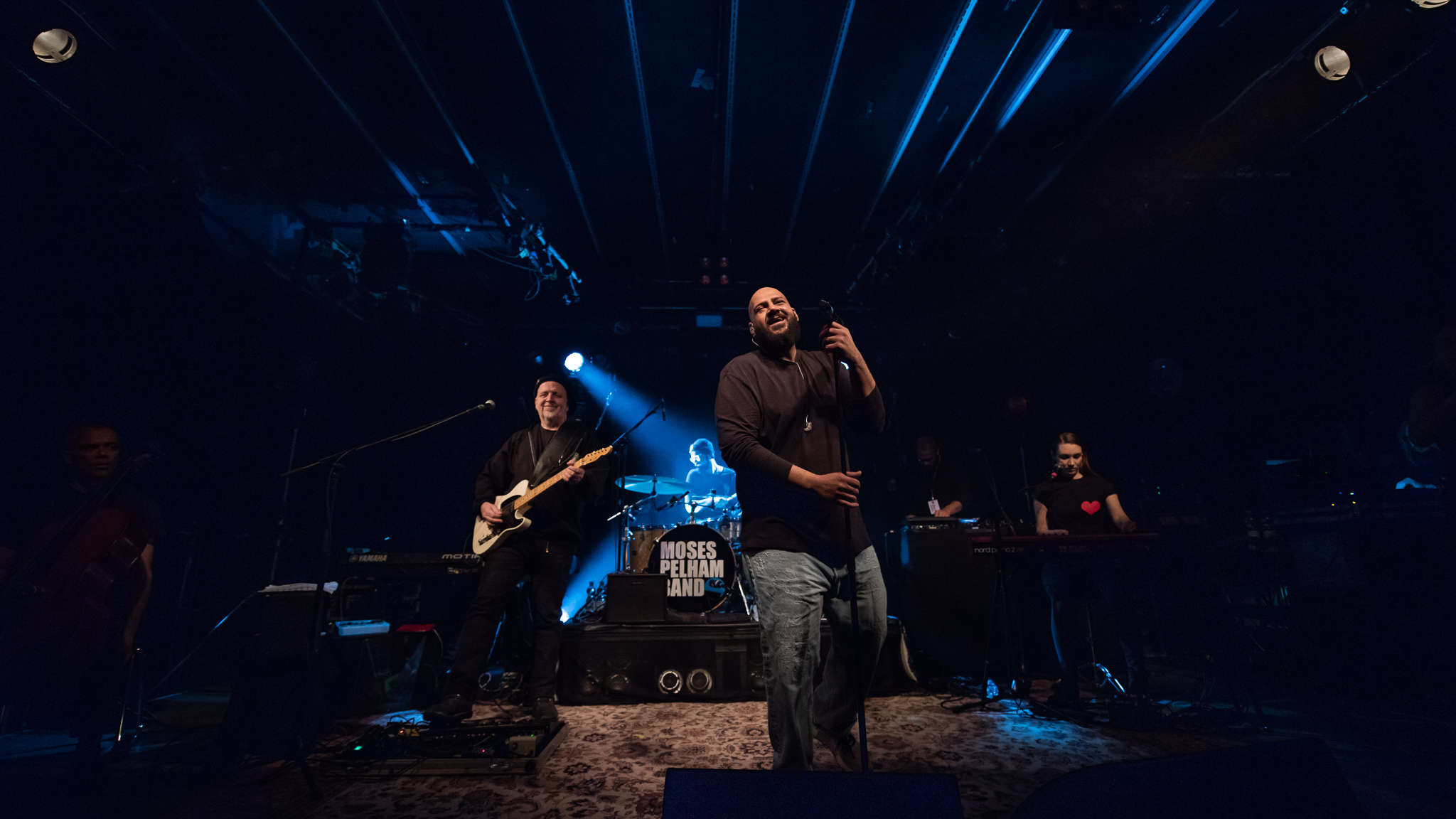
Reaction split almost exactly along the line you would expect. Counsel for Pelham, quoted by EDM.com, framed the judgment as a straightforward win for working producers. “Sampling is expressly recognized as a means to that end,” the lawyer said, adding that “no particular intention on the part of the artist is required; it is sufficient that the pastiche character is recognizable to listeners who know the original.”
Hütter was less enthusiastic. In a statement released by his attorneys, his side said that “the crucial question remains unanswered: when does the use of third-party material genuinely constitute an independent, creative and artistic dialogue, and when is it simply illegal sampling intended to avoid the original author’s creativity, effort and labor, as well as the cost of obtaining the relevant license?”
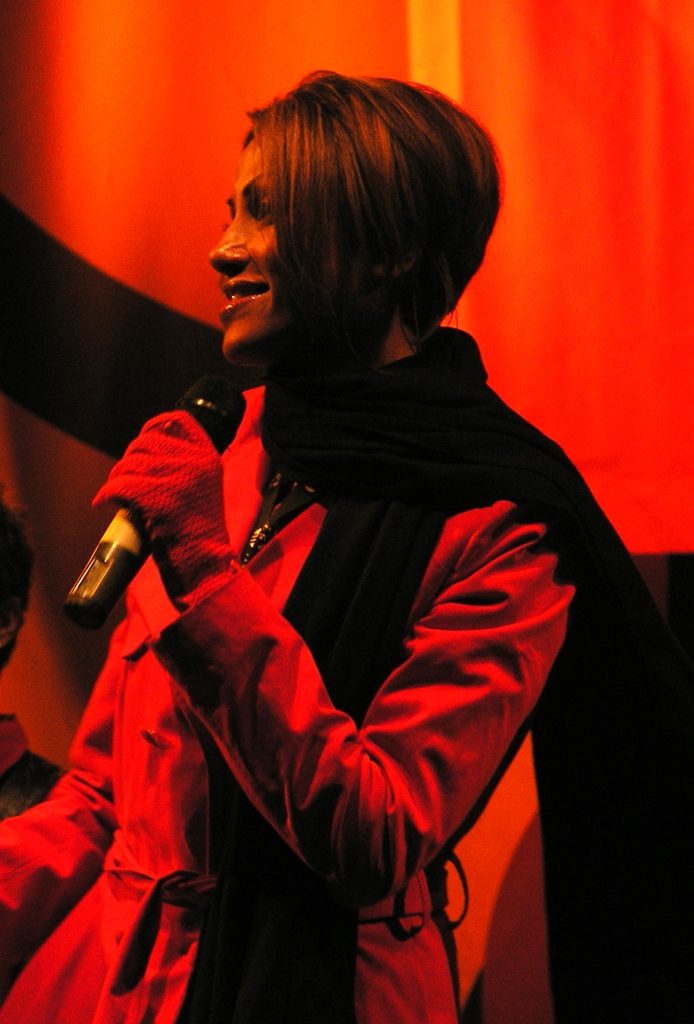
The German record industry body BVMI went further. Chairman Florian Drücke, quoted by Gearnews, warned that the pastiche concept risks becoming a “free pass for unlicensed sampling” if a recognisable borrowing plus a bit of musical alteration is enough to count as artistic dialogue. His colleague René Houareau, the association’s head of legal and political affairs, argued that dropping a recognisable sample into a new setting should not automatically qualify, since that would turn the test into a formality nobody can verify.
Kraftwerk did not lose everything
This is where the coverage diverges, and it is worth being precise. Several outlets have reported the outcome as a clean defeat for Kraftwerk. German reporting has consistently described it as a partial success for Pelham, and the court record supports the narrower reading.
The panel only dismissed the claims relating to use from 7 June 2021 onwards, because that is when the pastiche exception entered German law. The long stretch before that date, when German courts repeatedly sided with Kraftwerk, is a separate question. Kraftwerk’s counsel has pointed out that Pelham remains liable for damages awarded in the earlier proceedings and that the new judgment does not disturb that order. A constitutional complaint covering the earlier period is still pending. In other words, the loop is legal going forward, and the bill for the years before 2021 has not been torn up.
Why a 1977 drum sound matters in 2026
House, techno and every genre built on a sampler have operated for four decades on an uneasy compromise: clear the obvious hooks, hope nobody notices the rest. The judgment replaces part of that guesswork with a test that a producer can actually apply. The question is no longer only whether a sound was taken. It is whether the new record audibly does something with it.
That is not a licence to lift. Straight copying with no transformation remains exposed, and rights holders will keep watching what happens to their catalogues. Sample clearance disputes are still very much live elsewhere, as Beyoncé found when she was named in a federal lawsuit over a 1998 house record. The Karlsruhe test is European, and it does not travel to a United States courtroom.
The timing is the other reason this landed hard. The BVMI tied its objection directly to generative AI, noting that some companies in that space are already reaching for similar arguments to avoid licensing obligations. Germany has been the venue for that fight too: a Munich court recently found that Suno trained on GEMA repertoire without a licence. A broad reading of pastiche is exactly the kind of doctrine an AI developer would like to borrow, which is why an argument about two seconds of 1977 percussion is being read very closely by people who have never bought a Kraftwerk record.
What happens next
Three things are worth watching. The Federal Constitutional Court still has to deal with the pending complaint over the pre 2021 period, which is the last route left for the claimants. National courts across the EU now have a concrete application of the Court of Justice standard to work from, so expect the pastiche argument to surface in other member states. And rights holders will push for a legislative fix, since the BVMI has made clear it considers the exception too wide as interpreted.
Kraftwerk sampling ruling FAQ
What did the German court decide about the Kraftwerk sample?
On 3 September 2026 the Federal Court of Justice held that Moses Pelham’s use of a two second rhythm loop from “Metall auf Metall” in Sabrina Setlur’s “Nur mir” is permissible as a pastiche under section 51a of the German Copyright Act, for use from 7 June 2021 onwards.
Does this mean sampling is now legal in Germany?
No. The judgment confirms that sampling still interferes with the rights of phonogram producers, performers and authors. It only becomes lawful when the new work engages the original in a recognisable artistic or creative dialogue, which is a fact specific test decided case by case.
What does “pastiche” mean in this context?
Under the standard applied by the court, a pastiche evokes one or more existing works while remaining noticeably different from them, borrowing protected elements to enter into a recognisable artistic dialogue with them. Stylistic imitation, tribute and humorous or critical engagement all qualify.
Does Moses Pelham still owe Kraftwerk money?
Kraftwerk’s counsel says damages awarded in the earlier proceedings, covering the period before the pastiche exception took effect in June 2021, are unaffected by this judgment. A constitutional complaint relating to that earlier period is still pending.
Does the ruling apply outside Germany?
Not directly. The judgment applies German law, but it implements an EU directive and follows a Court of Justice decision from April 2026, so courts in other member states are likely to reach similar conclusions. It has no effect in the United States, where sample disputes run on a different framework.
The last word goes to the loop
Kraftwerk spent nearly three decades arguing that two seconds of their work is still their work. They were not wrong about that, and the court said so. What they lost is the power to stop someone else from putting those two seconds to a different use. For a group whose entire catalogue is about machines repeating themselves, it is a strange kind of legacy, and it is now written into European law.
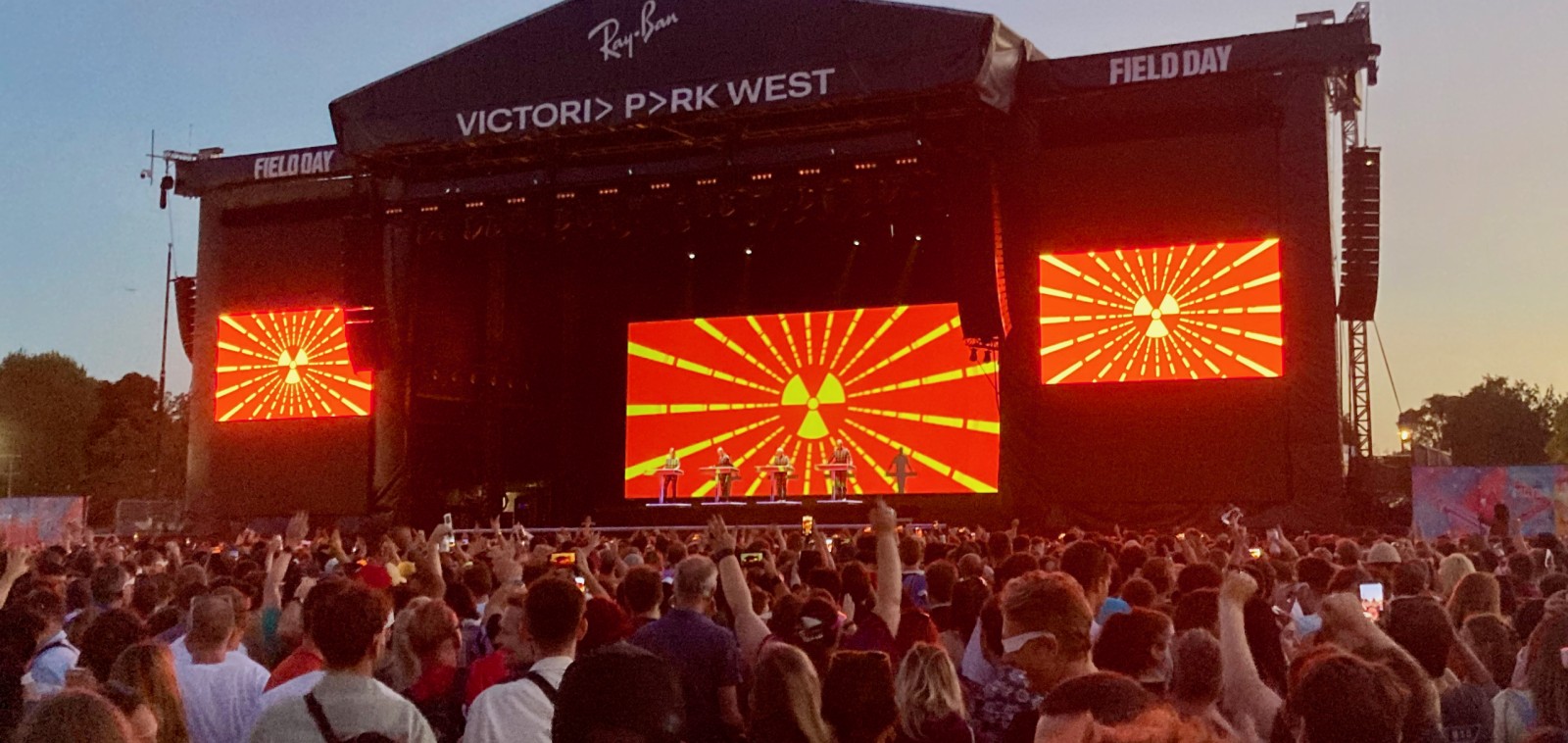
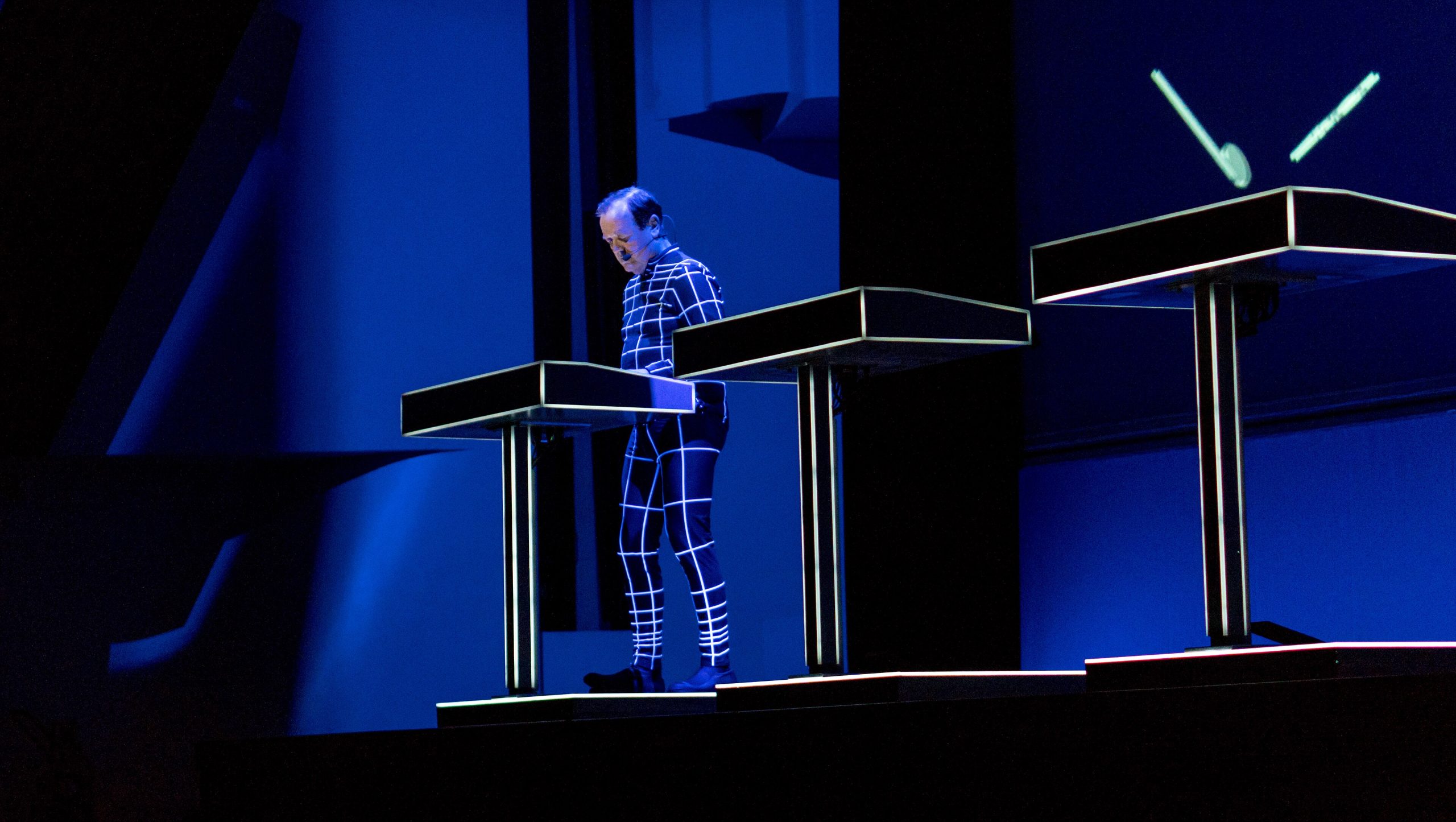
Cover photo: Jonathan Deamer, CC BY-SA 4.0, via Wikimedia Commons, Kraftwerk at Field Day, London, August 2022.