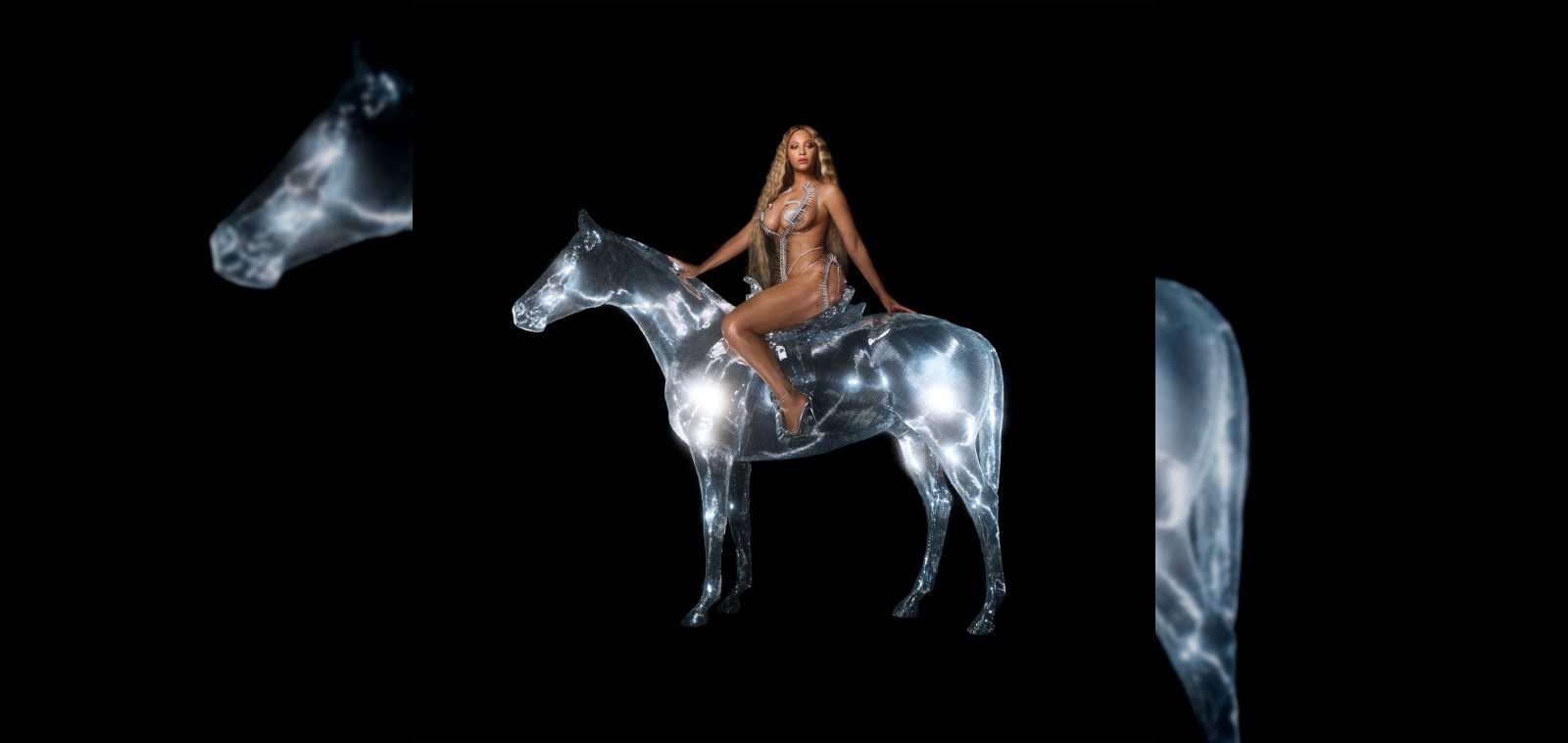
Beyoncé has been named as a defendant in the Alien Superstar sample lawsuit, a federal copyright case that places a 1998 New York house record at the center of one of the most decorated pop albums of the decade. The complaint, filed on August 10 in the US District Court for the Central District of California, alleges that the spoken passage opening “Alien Superstar” was taken from Foremost Poets’ “Moonraker” without a valid license. Resident Advisor and Music Business Worldwide both reported the filing this week, and the story reached the wider dance press over the past 24 hours.
The case matters well beyond one track. It asks a question the house scene has been circling for years: who actually owns the underground records that mainstream pop keeps borrowing from, and what happens when the paperwork from 1998 no longer exists.
What the Alien Superstar sample lawsuit claims
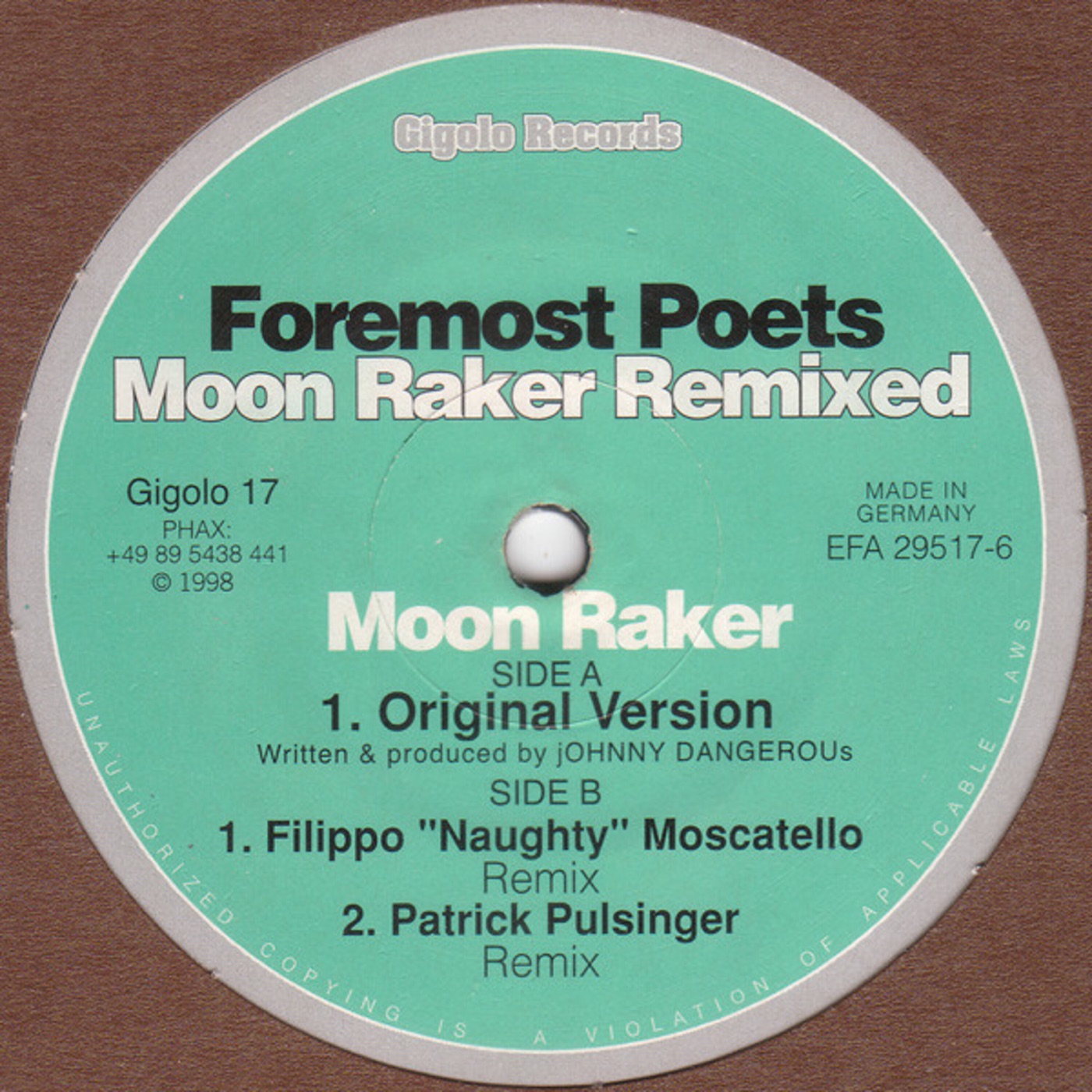
The plaintiffs are Hirose Enterprise LLC, a Delaware company, and Shuji Hirose, the man behind the defunct New York house label Soundmen on Wax. Alongside Beyoncé, the complaint names Parkwood Entertainment, Sony Music Entertainment, Sony Music Publishing, W Chappell Music Corp. and John Holiday, the artist who records as Foremost Poets.
According to the filing as reported by Music Business Worldwide, Parkwood released “Alien Superstar” on July 29, 2022 with no license at all for the “Moonraker” recording. A license was then obtained on or about September 6, 2022, but it came from Holiday rather than from the party the plaintiffs say owns the master. Holiday was paid 10,000 dollars plus 0.5 percent of the royalties from the track.
The plaintiffs put it bluntly in the complaint: “Defendants’ conduct has been knowing and willful.” They also say counsel wrote to Holiday on or about January 30, 2023, copying lawyers for Parkwood and Columbia Records, to state that the use was unauthorized. Neither Beyoncé nor Parkwood has issued a public response to the new filing.
Why Moonraker matters in house music

Soundmen on Wax released “Moonraker” as a 12 inch single on or about June 10, 1998. Its opening line, “Please do not be alarmed, remain calm,” has been a DJ tool for close to three decades, cut into sets, edits and mixes long before it surfaced on a Beyoncé album. The complaint itself calls the recording “a fixture of house music” and describes its introduction as among the most recognizable spoken passages in the genre.
That reputation is not historical trivia. “Moonraker” has appeared in high profile DJ mixes in recent years, and Foremost Poets remain active: in July 2026 the project linked with Italian producer Fabio Vela on the club cut “Night Gate”. A record that keeps circulating is a record that keeps generating revenue, which is precisely what makes ownership worth litigating over. For context on how records like this shaped the genre, see our rundown of the tracks that changed house music.
The lost contract at the heart of the case

The plaintiffs say Holiday signed away his entire interest in the recording under a written agreement dated January 15, 1998, in exchange for a flat fee of 1,500 dollars and an equal share of publishing revenue. The original signed copy no longer exists. According to the complaint, it was lost in 2005 when the storage facility holding the label’s records was burglarized.
To fill that gap, the filing points to a pattern of dealing stretching across more than two decades. It cites further recording agreements with Holiday in December 1999 and April 2000 on the same ownership terms, a 2016 deal memo whose letterhead shows the catalog operating under Hirose Enterprise, and a 2017 agreement covering two derivative works of “Moonraker” in which Holiday dealt with Hirose Enterprise as the controlling party. The complaint also alleges that Holiday spoke to Hirose by telephone on or about August 3, 2022, a month before the Parkwood license was signed, and acknowledged Hirose as the rightful rights holder.
How the first case collapsed
This is the second attempt. An earlier action over the same recording was filed on July 29, 2025 in the name of Hirose Enterprises LLC, a separate Florida entity. US District Judge Mark C. Scarsi dismissed it without prejudice on June 26, 2026, finding the company had not been legally organized when it sued. “Plaintiff had no legal existence at the time it brought suit,” the judge wrote. Crucially, he did not rule on whether the sample had been properly cleared, and the new complaint flags that point early.
Standing was not the only problem. In March 2026, US District Judge Maame Ewusi-Mensah Frimpong had already dismissed an earlier version of the complaint with leave to amend, finding the plaintiff had not shown that the transfers it relied on were ever put in writing, which US copyright law requires. On July 18, 2026 the Hirose side signed a set of confirmatory assignments designed to shore up that chain of title. Those documents address the later links. They do not fix the first one, because the 1998 contract is still missing.
Streaming, tours and what the plaintiffs want

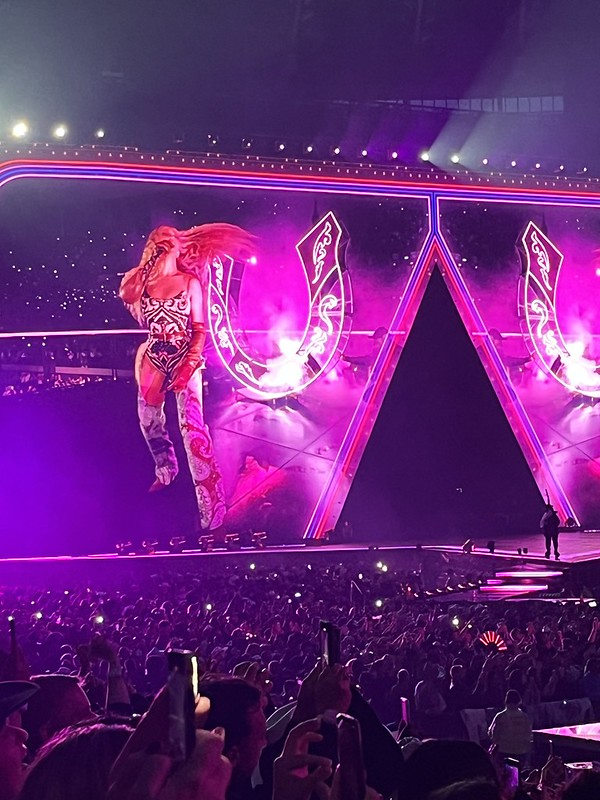
The scale of the alleged exploitation is what gives the claim its financial weight. “Alien Superstar” is the third track on “Renaissance” and reached number 19 on the Billboard Hot 100. The complaint alleges the track was performed without authorisation across the 56 show Renaissance tour in 2023 and the 32 show Cowboy Carter tour in 2025, and lists Apple Music, Tidal, Spotify, YouTube Music, Pandora and Amazon Music among the services through which it has been distributed.
The suit brings claims for direct, contributory and vicarious copyright infringement, plus a breach of contract claim against Holiday alone. The plaintiffs are asking the court for damages, the defendants’ profits attributable to the infringement, an accounting and a permanent injunction. An injunction is the detail worth watching, because it would reach a track that is still in active commercial circulation.
What happens next
No date has been set for proceedings, and none of the allegations has been tested in court. The defendants have not yet filed a response, and the previous dismissal was decided on a procedural point rather than on the substance of the sample. That leaves the central question genuinely open.
For house music, the case is a reminder of how fragile the genre’s paper trail can be. Many of the records the scene treats as canon were released by small labels on handshake terms, with contracts stored in filing cabinets rather than databases. When one of those records lands on a global pop album, the value of the master jumps by orders of magnitude, and a missing sheet of paper from 1998 suddenly becomes the most important document in the room. It is a different flashpoint from the AI disputes reshaping the business, such as the Suno copyright ruling, but it points at the same underlying problem: rights infrastructure that was never built for this much money. Full documentation of the filing is available via Music Business Worldwide.
Frequently asked questions
What is the Alien Superstar sample lawsuit about?
It is a copyright complaint alleging that the spoken introduction to Beyoncé’s “Alien Superstar” uses Foremost Poets’ 1998 house recording “Moonraker” without a valid license from the rightful owner of the master.
Who filed the case and who are the defendants?
Hirose Enterprise LLC and Shuji Hirose filed it. The defendants are Beyoncé, Parkwood Entertainment, Sony Music Entertainment, Sony Music Publishing, W Chappell Music Corp. and John Holiday of Foremost Poets.
Did Beyoncé’s team get permission for the sample?
Parkwood obtained a license from Holiday in September 2022 and he is credited on the track. The plaintiffs argue Holiday had already transferred his rights in 1998 and therefore had nothing to license.
Was there an earlier lawsuit over the same recording?
Yes. A previous action was dismissed without prejudice on June 26, 2026 because the company that filed it had not been legally organized at the time. The judge did not rule on whether the sample was cleared.
What are the plaintiffs asking for?
Damages, the defendants’ profits attributable to the alleged infringement, an accounting and a permanent injunction covering the track.
The bottom line
The Alien Superstar sample lawsuit is not a straightforward sampling dispute. It is a fight over a chain of ownership that runs from a small New York house label in 1998 to a stadium tour in 2025, with a burglarized storage unit somewhere in the middle. Whichever way it lands, it will tell the dance music business something useful about how much a lost contract is actually worth.