
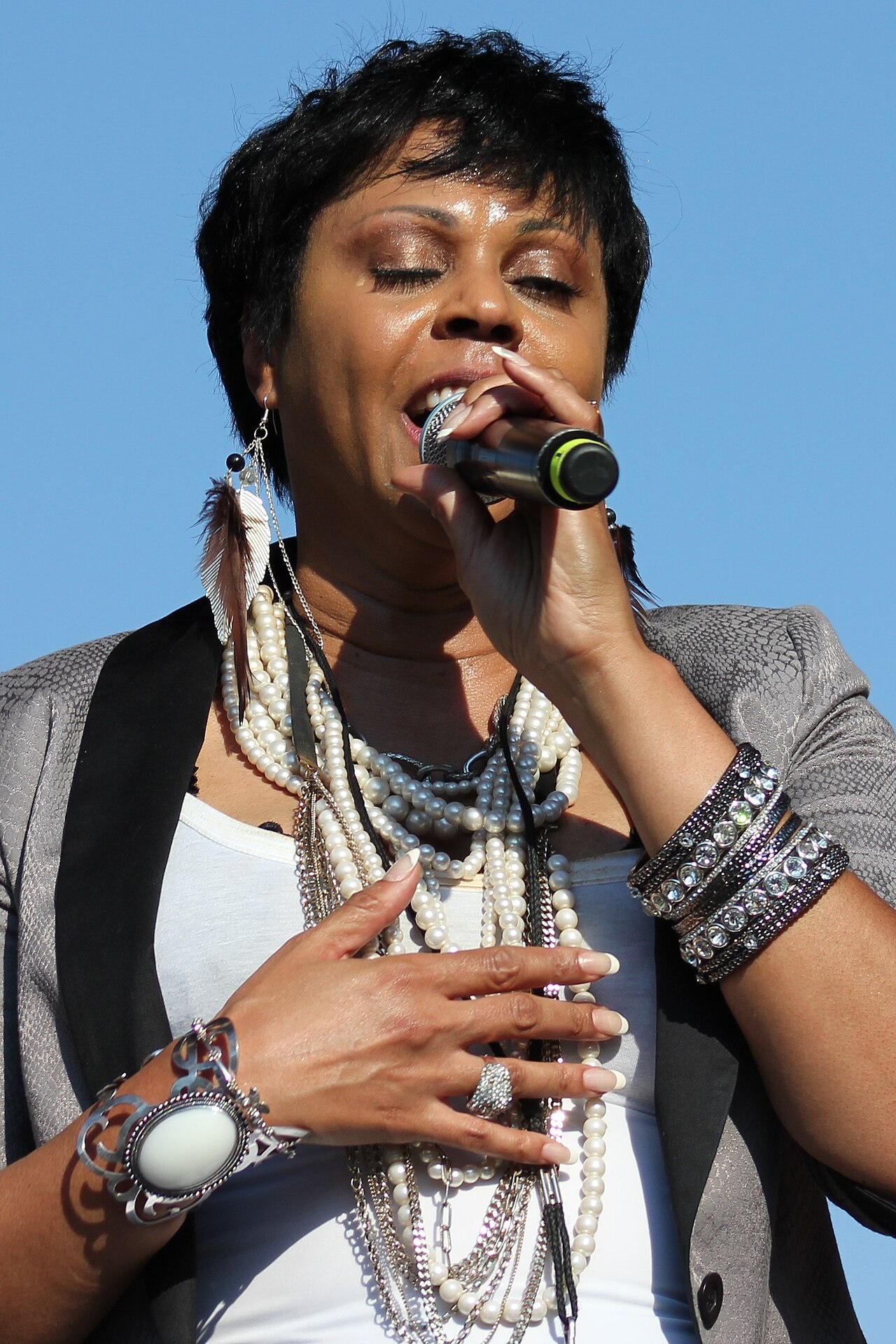
Crystal Waters Gypsy Woman is one of the most recognizable house records ever made. Thirty five years after its release, the “la da dee, la da da” hook still fills a dancefloor within seconds. But behind the melody sits a real woman, a real street corner in Washington DC, and a newspaper article that changed the way Crystal Waters thought about homelessness. This is the story of “Gypsy Woman (She’s Homeless)”.
From Arrest Warrants to House Music
Music ran deep in the Waters family. Her great aunt was Ethel Waters, the celebrated singer and actress. Her father was a jazz musician, and her uncle played lead saxophone with MFSB, the Philadelphia soul institution. Crystal herself was inducted into the Poetry Society of America at 14, the youngest person ever to receive that honor at the time.
None of that translated into an instant music career. After studying business and computer science, Waters took a government job in Washington DC, working in the computer division that issued arrest warrants. Music stayed on the side: through a workmate she found a gig as a writer and backup singer at a local studio, and at a conference in Washington she met the Basement Boys, the Baltimore production team that would change her life. They wanted her to write house songs without losing her jazz instincts. Among the first she delivered were “Makin’ Happy” and “Gypsy Woman”.
A Hook Looking for Its Singer
Waters wrote “Gypsy Woman” with Neal Conway over beats the producers had given her to top with lyrics. The heavy bass line pulled the now famous “la da dee, la da da” riff out of her almost immediately. Those short syllables were also a problem: no words she tried seemed to fit them. So she asked herself a different question. Who would actually be singing a line like that?
The answer was standing on a corner in downtown Washington DC.
The Woman Outside the Mayflower Hotel
As Waters has retold it over the years, most recently in DJ Mag’s series on the making of the track, there was a woman who stood in front of the Mayflower Hotel on Connecticut Avenue. Waters’ sister worked in the hotel, so she walked past the woman about once a week. Nothing about her said homeless: she kept a full face of makeup, dressed in black, and sang gospel songs to passersby. Waters admits her first reaction was the one many people have. Why not go get a job instead of asking strangers for money?
Then an article about the woman appeared in the newspaper. She had just lost her job in retail, and she explained that if she was going to ask people for money, she wanted to at least look presentable. Waters has said the realization changed her idea of homelessness completely: it “could happen to anyone.” With that, the lyrics arrived almost fully formed, written as if the woman herself were singing them. The hook finally had its voice, and the song had its second title: “She’s Homeless”.
A Song Written for Ultra Naté
Here is the detail even longtime fans tend to miss: “Gypsy Woman” was never meant for Crystal Waters. The song was originally intended for Ultra Naté, another rising voice in the Baltimore house orbit. But when Waters recorded the demo herself, the production company drew up a recording contract for her on the spot, and the track never reached its intended vocalist. One demo tape quietly rewrote house music history, much like the stories of the women who pioneered electronic music a generation earlier.
How Crystal Waters Gypsy Woman Conquered 1991
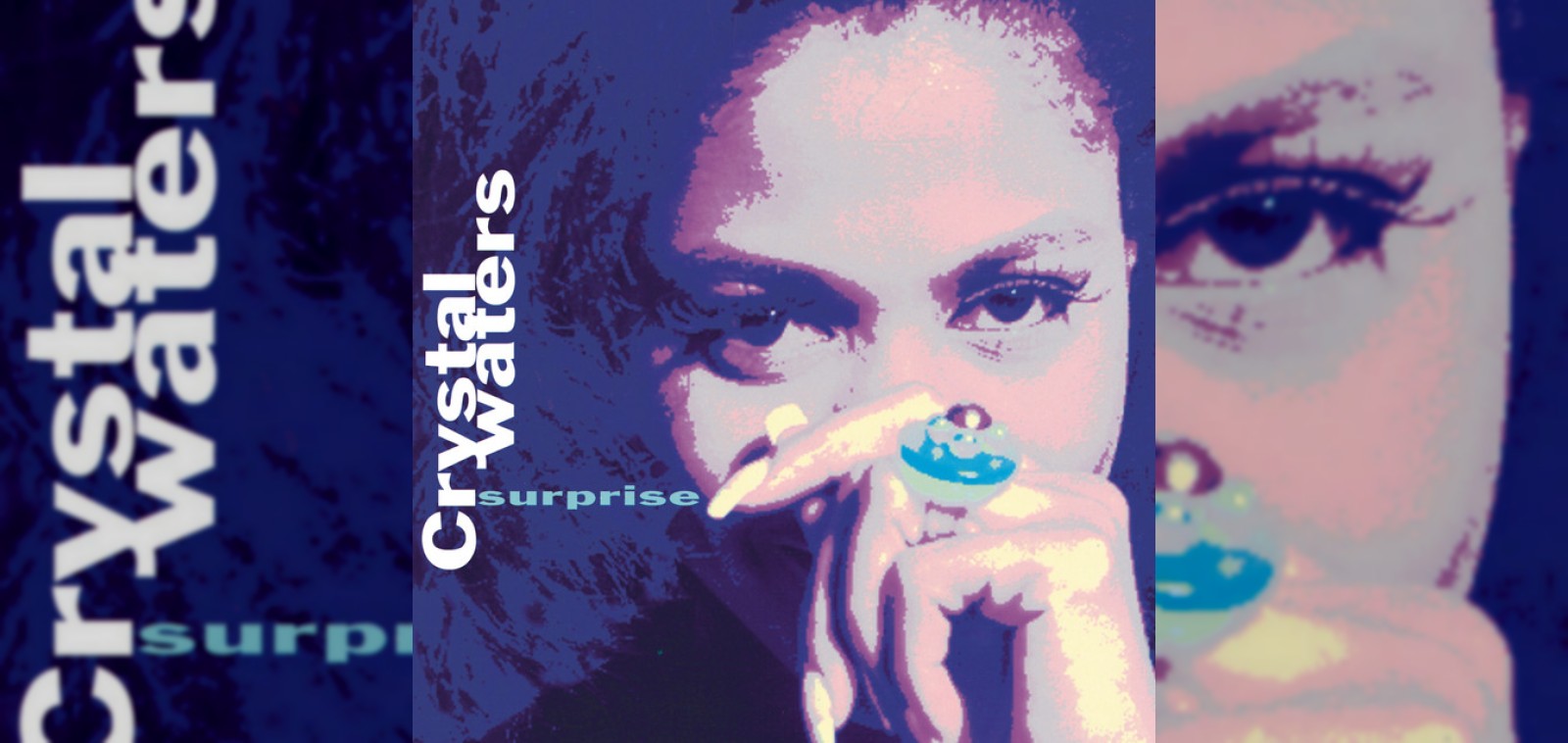
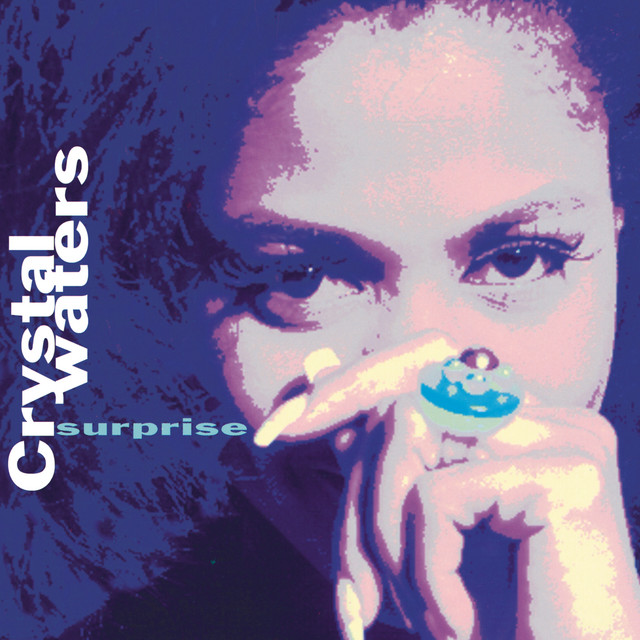
Mercury Records released “Gypsy Woman (She’s Homeless)” on April 3, 1991, as the lead single from Waters’ debut album Surprise. It climbed to number eight on the Billboard Hot 100 and topped the Billboard dance chart. In the United Kingdom it entered the singles chart at number three, at the time the highest debut ever for a new act, before peaking at number two. It reached number one in Belgium, Italy, the Netherlands, Spain and Switzerland, topped the European singles chart, and earned platinum certification in the UK and gold in the United States.
The stark music video, directed by Mark Pellington, placed Waters in a black suit against a blinding white set and gave the song a visual identity as strong as its hook. It has since passed 131 million views on YouTube. A year after release, a Joey Negro remix landed on the Red Hot + Dance compilation, an AIDS fundraiser distributed by Sony Music, giving the record yet another life on the dancefloor.
She Insisted the Title Say She’s Homeless
The song became so big so fast that its message started to slip away. Waters was frustrated that millions were singing along without hearing what the lyrics actually said. At her prompting, the record company added “She’s Homeless” to the cover, making sure the woman at the center of the story could not be edited out of it. Critics eventually caught up: AllMusic later described the track as proof that house music could be every bit as socially aware as rap.
The Legacy of a House Anthem
The accolades have never stopped. Rolling Stone placed “Gypsy Woman” at number 58 on its list of the 200 greatest dance songs of all time in 2022, Pitchfork named it among the best house tracks of the nineties, and in 2025 Billboard ranked it number 24 among the 100 best dance songs ever. It has been remixed, sampled and covered countless times, and its DNA runs through every vocal house record that tries to say something real, a lineage that connects Waters to modern icons like Peggy Gou.
Thirty five years on, the woman outside the Mayflower Hotel is still singing through every club sound system in the world. Crystal Waters turned a stranger’s dignity into one of house music’s greatest anthems, and made sure nobody could dance to it without, at least once, hearing her story.