

The origin story of electronic music usually gets told through men and their machines. Robert Moog and his modular synthesizer, Kraftwerk and their drum machines, the Chicago and Detroit producers who turned circuitry into house and techno. That version is real, but it starts much later than the truth. Decades before a single kick drum pounded through a warehouse, the women who pioneered electronic music were already bending electricity into sound and building the tools everyone else would inherit.
Here are five of them, the innovators who treated the theremin, the tape machine and the synthesizer as serious instruments long before the dancefloor caught up.
Clara Rockmore turned the theremin into an instrument
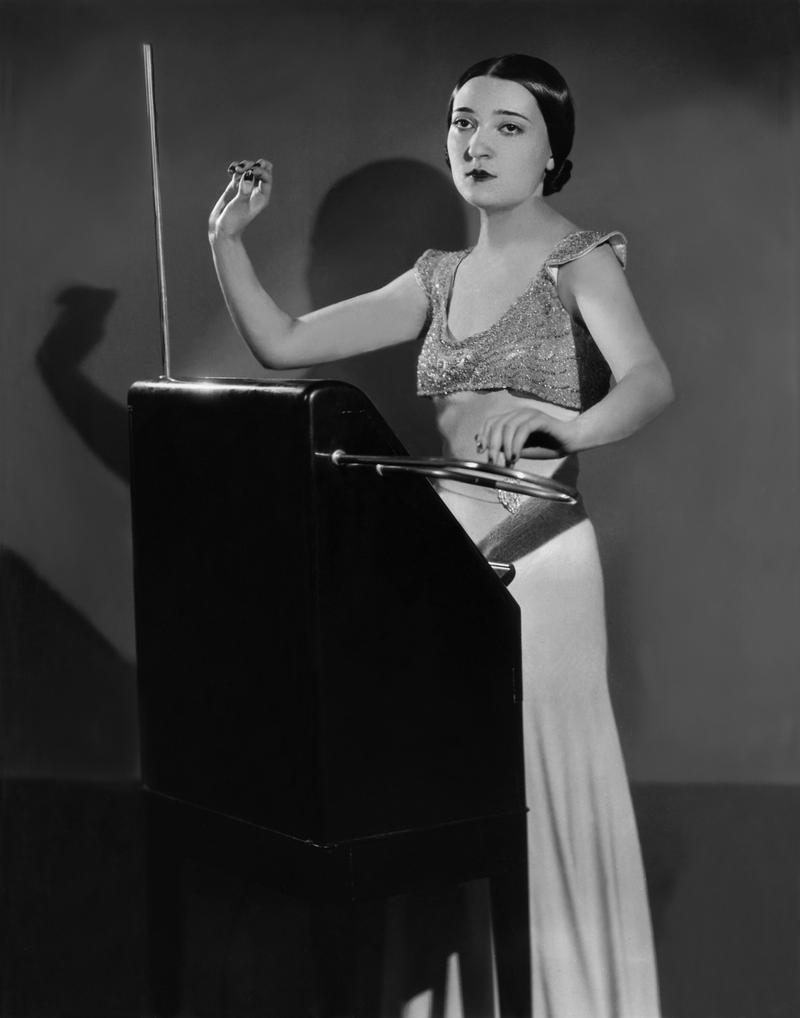
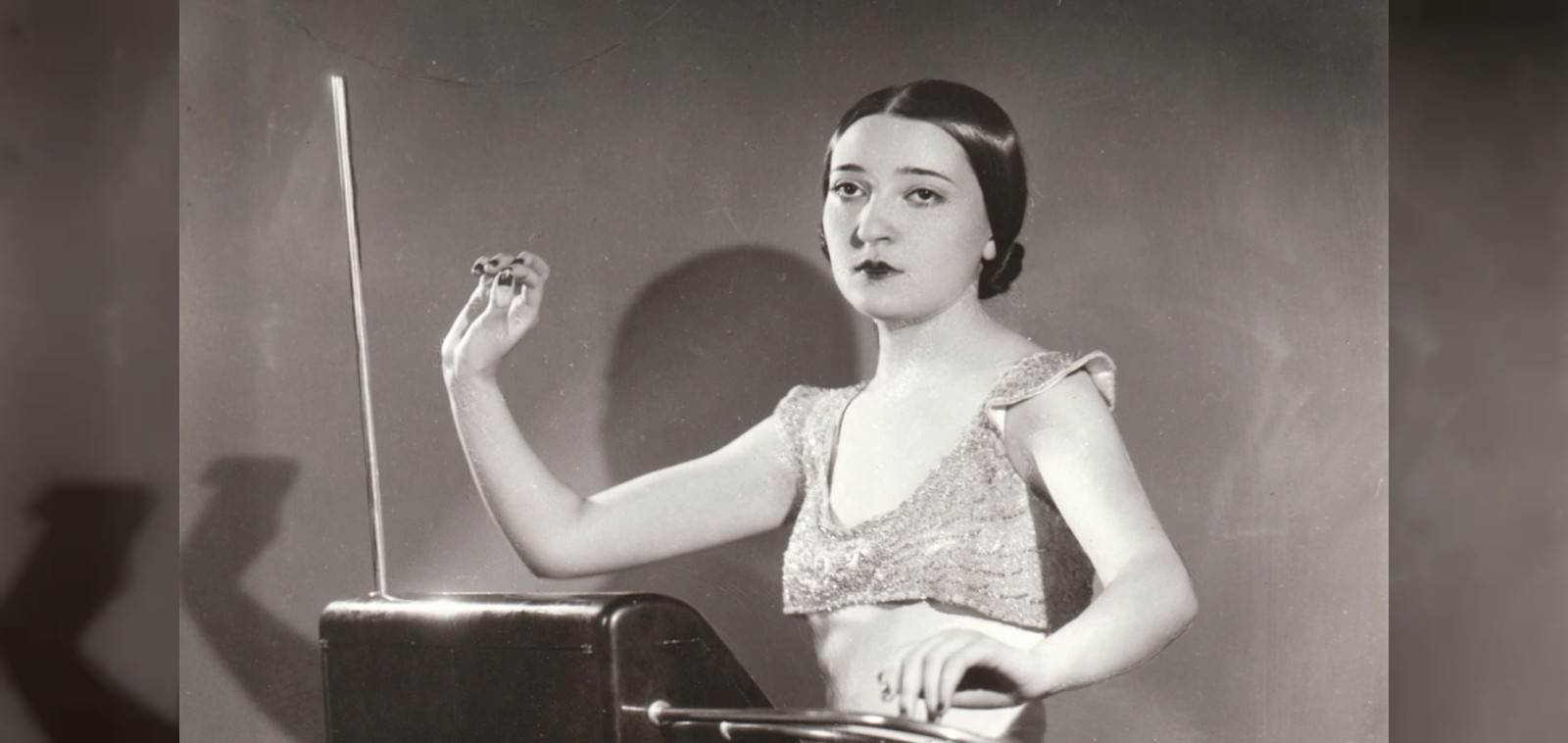
Clara Rockmore is the reason the theremin is remembered as a real instrument rather than a spooky sound effect. Born in Vilnius in 1911, she was a violin prodigy who entered the Saint Petersburg Conservatory as a small child, until tendinitis ended her bowing career. She found her second instrument in one of the strangest devices of the twentieth century, the theremin, played without any physical contact by moving the hands through two electromagnetic fields.
The theremin was invented by Leon Theremin, and Rockmore worked directly with him to improve it, pushing for a wider range and a faster response so it could handle demanding music. Her absolute pitch and classical discipline let her play with a precision nobody else could match. She is still widely regarded as the greatest theremin player who ever lived, and the instrument she mastered counts as one of the first electronic instruments ever built.
Daphne Oram and the birth of the BBC Radiophonic Workshop
If you have ever heard an eerie British science fiction soundtrack from the 1950s or 1960s, you have probably heard the legacy of Daphne Oram. In 1958 she helped found the BBC Radiophonic Workshop, the internal sound laboratory that would shape British television and radio for decades, and she became its first studio manager.
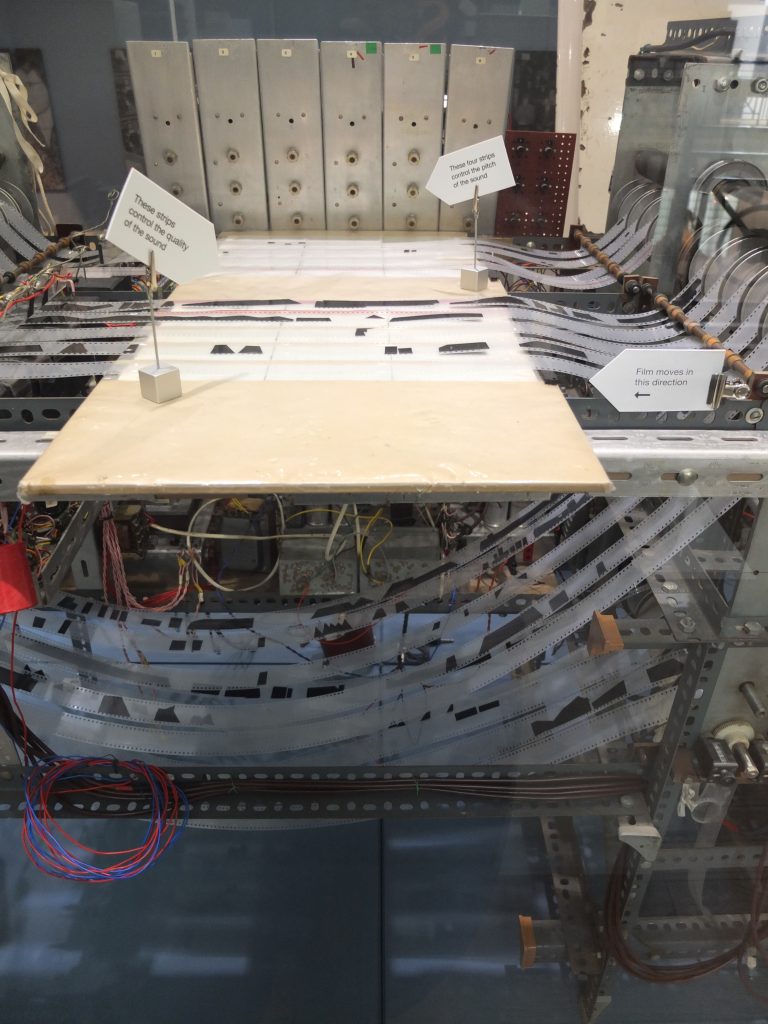
Oram walked away barely a year later, frustrated that the BBC treated electronic music as background texture rather than art. She poured that frustration into her own invention. Her Oramics system let a composer draw shapes directly onto strips of 35mm film, which photoelectric cells then read and turned into sound. It was one of the earliest attempts to give musicians visual, physical control over synthesis, an idea that feels strikingly modern today.
Delia Derbyshire and the sound of Doctor Who
No piece of early electronic music has reached more ears than the Doctor Who theme, and the artist behind its otherworldly sound was Delia Derbyshire. Working at the BBC Radiophonic Workshop in 1963, she took a melody written by composer Ron Grainer and realised it entirely from electronic sources. Grainer wrote the tune. Derbyshire made it sound like the future, so much so that when he first heard the finished track he reportedly asked whether he had really composed it.
There were no synthesizers involved. She built the piece by hand from test tone oscillators and single plucked notes, recording each sound to tape, then cutting, splicing and altering the tape speed to reach every pitch and rhythm. The famous rolling bassline came from one plucked string, looped and reshaped over and over. It remains one of the most influential electronic recordings ever made, even though her role went largely uncredited for years while only the composer was named.
Wendy Carlos took the synthesizer mainstream
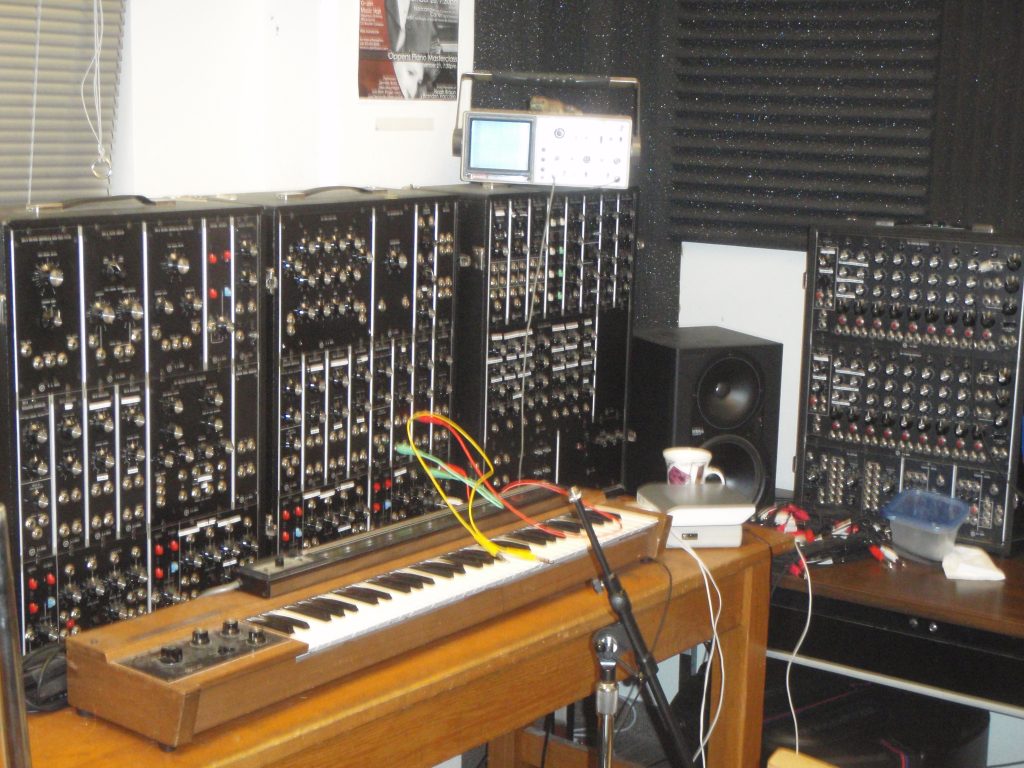
In 1968 the synthesizer was still an exotic laboratory machine that most listeners had never heard. Then Wendy Carlos released Switched On Bach, an album of Bach compositions performed entirely on a Moog modular synthesizer, and the ground shifted. It became one of the best selling classical records ever made, crossed onto the pop charts, and won three Grammy Awards in 1970.
Carlos did far more than play the Moog. She helped shape it. She worked closely with its inventor Robert Moog, testing his circuits and pushing for the refinements that made the instrument more musical, from steadier tuning to better touch sensitivity. Her success proved that a synthesizer could carry an entire album, and it opened the door for every synth record that followed, from progressive rock to disco to the house and techno still to come.
Suzanne Ciani, master of the Buchla
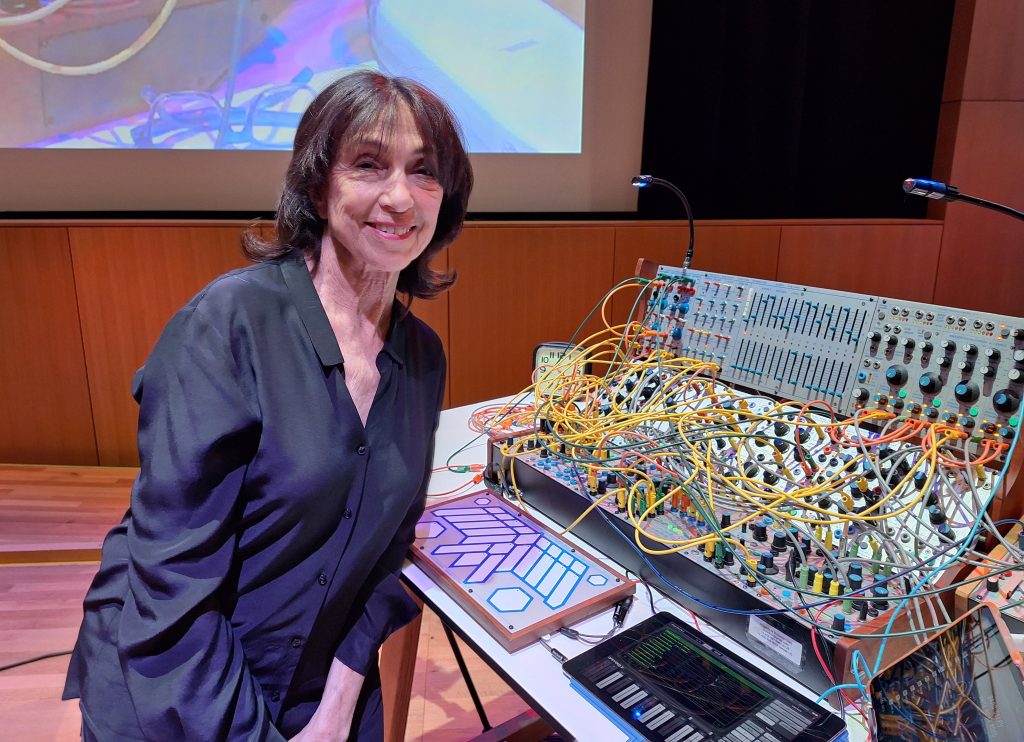
Suzanne Ciani carried the pioneer spirit out of the laboratory and into everyday life. She studied under the synth builder Don Buchla and became one of the great masters of his instrument, the Buchla, a wild modular system with no keyboard that rewards experimentation over convention. Across a career spanning five decades she has earned five Grammy nominations and released a long run of acclaimed electronic and New Age albums.
She also planted electronic sound where nobody expected it. Ciani founded her own company and created some of the most recognisable commercial audio of the era, including the pop and fizz of a Coca Cola bottle that ran in national advertising. In 1981 she became the first woman to score a major Hollywood film. Long before the modular synth revival of recent years, she was already showing the world what the machine could do in the right hands.
Why these pioneers still matter
House and techno did not appear from nowhere. The genres that fill clubs today were built on synthesis, tape manipulation and drawn sound, the very techniques these women helped invent. Their fingerprints are all over the history of house music, and the same restless spirit runs through the story of how rave culture spread across the world.
Electronic music did not begin with laptops or festival main stages. It began with people willing to experiment with entirely new ways of making sound, and a striking number of them were women working decades ahead of their time. The modern dancefloor owes them a debt it rarely mentions. The least the rest of us can do is remember their names.
Cover image: Clara Rockmore by Renato Toppo, public domain, via Wikimedia Commons. Inspired by an original carousel from @housemusic.us.