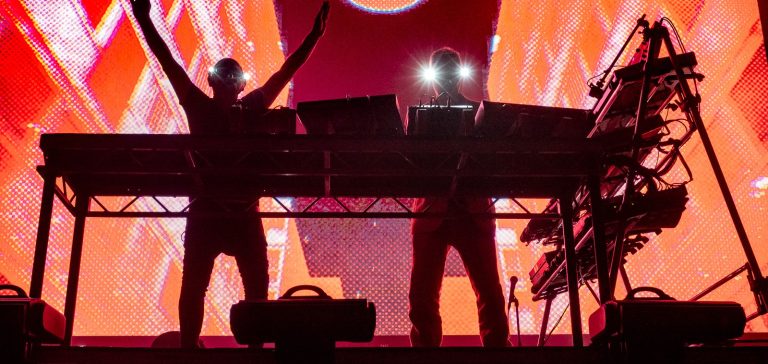

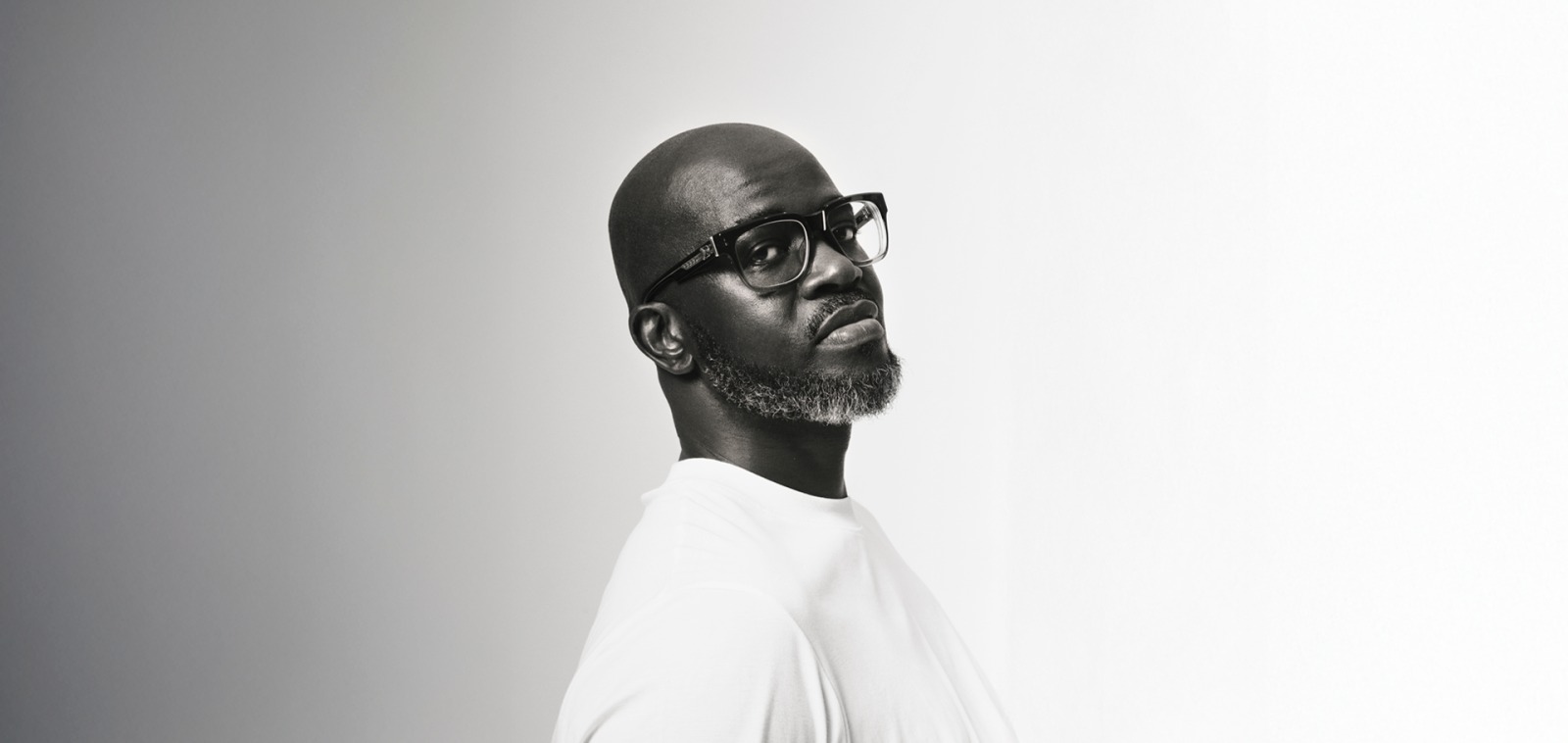
Black Coffee has spent the past decade turning Afro house into a global export. He spent much of the past year arguing about a car. That argument is now settled, and the Black Coffee Maserati case has ended with the South African DJ on the winning side.
The Johannesburg High Court granted summary judgment in favour of Soulistic Music, the company owned by Nkosinathi Innocent Maphumulo, and ordered Maserati South Africa to pay R7 million, roughly $438,000 depending on the exchange rate applied. The order also covers interest of 10.5% a year running from 22 August 2025 until the amount is settled in full, plus the legal costs of the proceedings. The Sunday Times, which reported the order in detail, said it was handed down by acting judge Sanet van Aswegen.
What the court actually ordered
Summary judgment is the fast route through a civil court. A judge can decide a claim without a full trial when the defence raised does not disclose a genuine dispute worth hearing. That is what happened here.
According to the Sunday Times report, the order itself does not set out detailed reasons, so the court’s full reasoning is not on the public record. What is on the record is the outcome: Maserati South Africa has to repay the money, cover the interest and carry the costs.
One detail is worth keeping straight. The judgment runs against Maserati South Africa, the local operation Maphumulo actually dealt with, and not against the Italian manufacturer as a whole. Several outlets have compressed this into “Maserati,” which is reasonable shorthand but slightly imprecise about who is on the hook.
The Black Coffee Maserati deal that fell apart
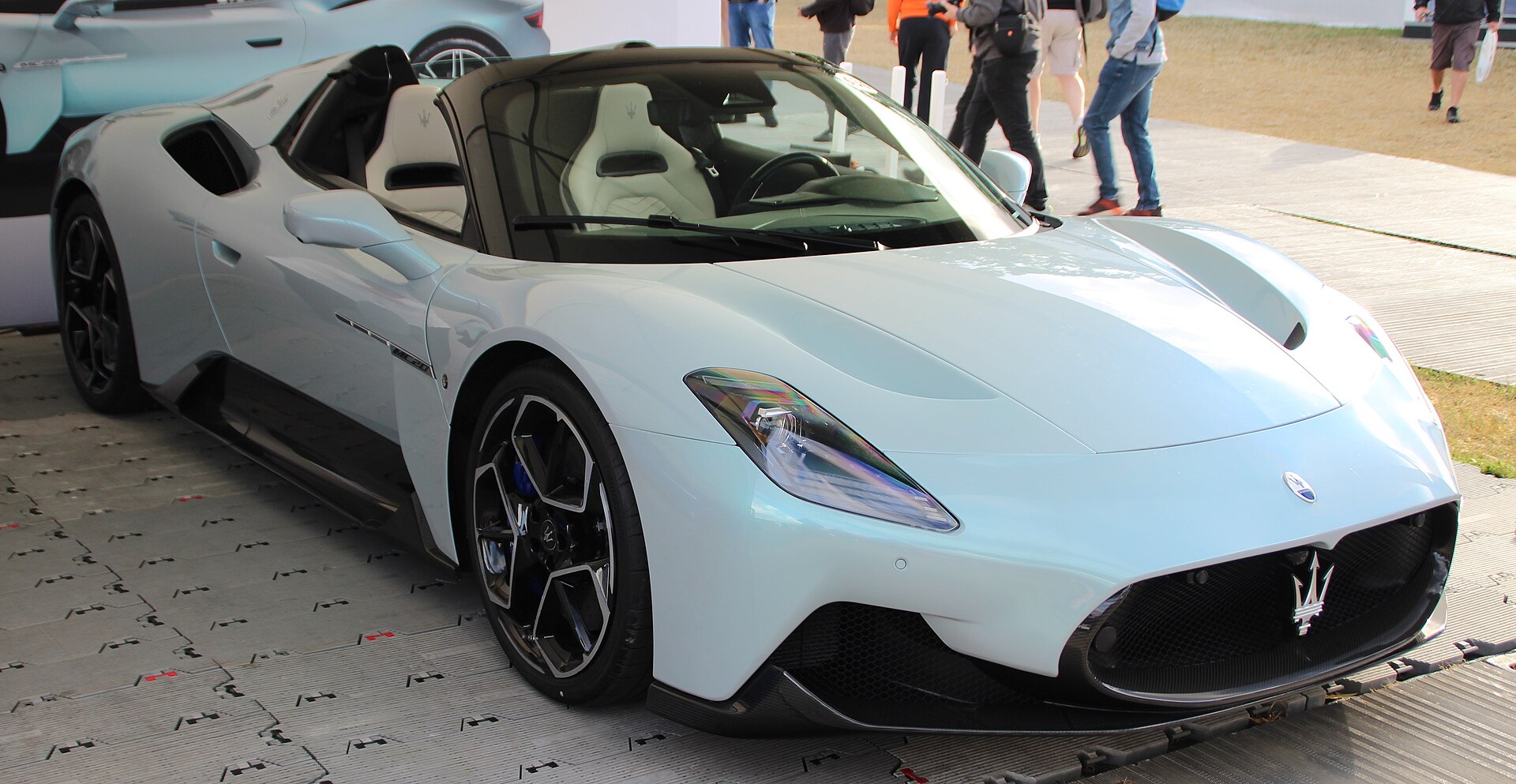
The story starts in 2022, when Maphumulo bought a Maserati MC20 Coupe from the dealership for R7 million. About two years later he decided to move up to an MC20 Cielo, the open top version of the same mid engine supercar, quoted at roughly R9 million.
The arrangement, described in his court papers as partly written and partly oral, credited him the full R7 million value of the Coupe against the new car. He would settle the remaining R2 million on delivery. He put the agreed delivery date at July 2025.
That date passed with no car. On 3 June the dealership told him the vehicle would only go into production in August, with no estimated delivery date attached. Maphumulo treated that as a breach, cancelled the order and asked for his money back.
The following day he received an email that has since become the most quoted line in the file. “We are pleased to announce that we have secured a production slot for your Fuoriserie order,” it read. “Since you’re a globally recognised figure, the factory has made a special exception for us. Your Fuoriserie order will be going into production in August, we will be able to confirm further details closer to the time.” He was not persuaded. A month later he followed up, and in his papers wrote that “despite the demand, to date [Maserati] has failed/neglected/refused to make payment.”
Eighteen specifications and a nine month build
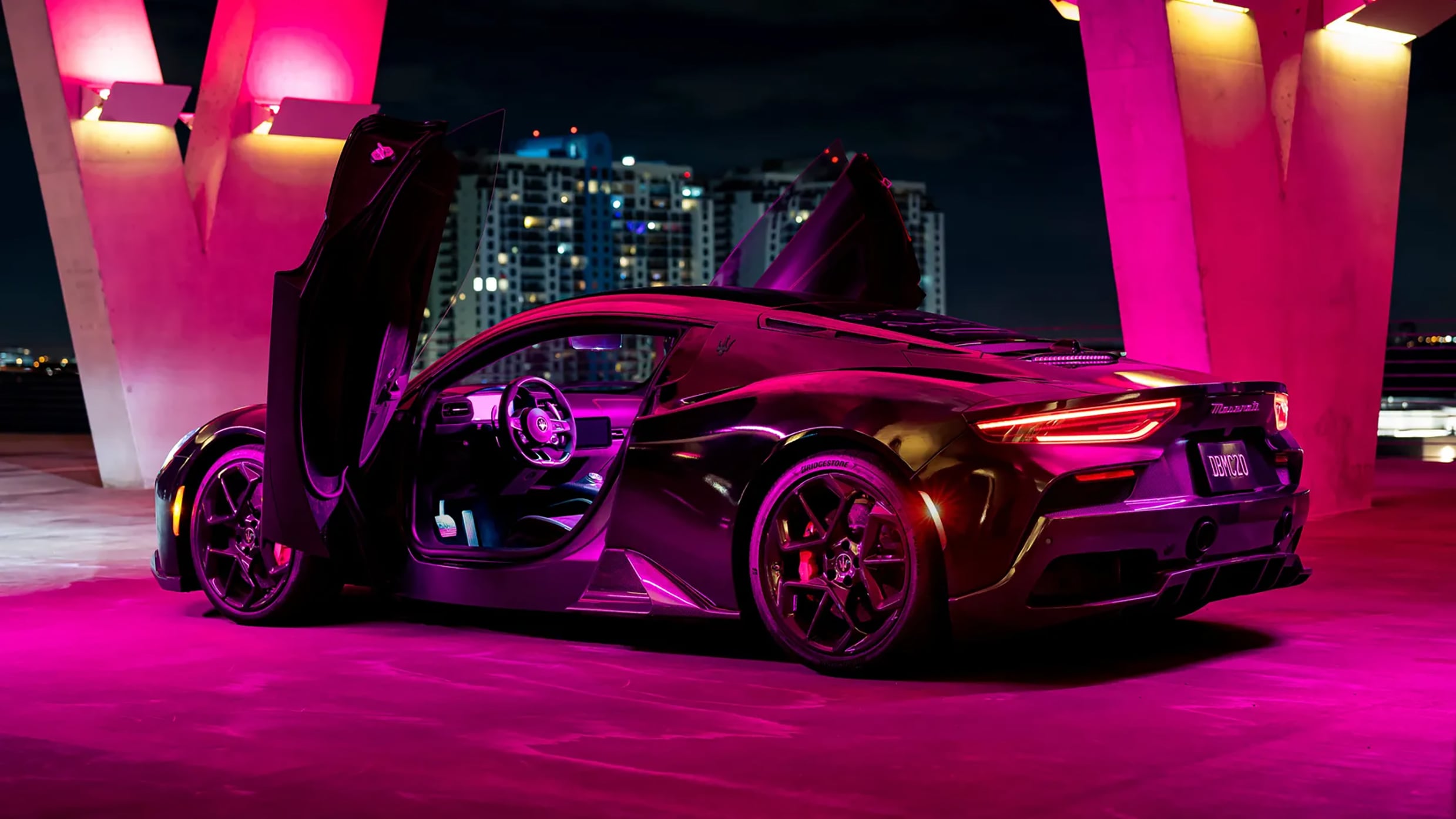
Customisation is where both sides planted their flags. Maphumulo listed 18 separate specifications through Fuoriserie, Maserati’s bespoke build programme. Among them:
- A Sonus Faber premium audio system with 12 speakers
- The Maserati Blu Infinito exterior colour
- Wheels in a glossy black diamond cut finish
- A full leather and Alcantara cabin with chevron stitching
Maserati’s plea leaned on exactly that list. The company denied ever agreeing to a July 2025 delivery date and said a custom Cielo takes a minimum of nine months to build once the specifications are confirmed. It argued that several of Maphumulo’s choices, including bespoke colours for the interior trim, the seat belts and the brake calipers, sat outside the original quotation and needed his confirmation followed by head office approval before a production slot could even be requested.
It made a commercial argument too: without the purchase of the new car, it said, the old Coupe would never have carried a R7 million value in the first place. The court did not accept it.
Why a car case matters to the music business
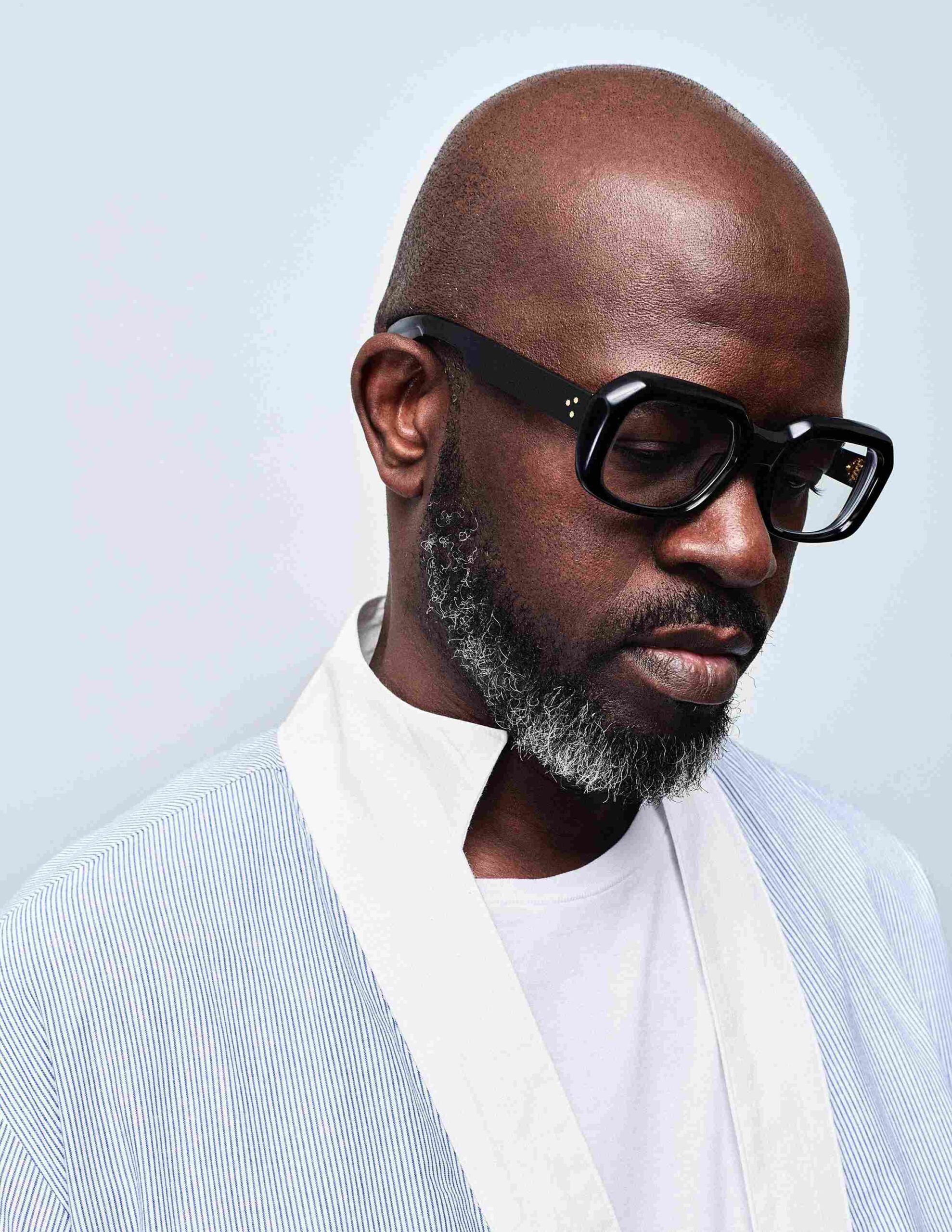
Maphumulo is not a peripheral figure in any of this. He was the first African artist to win the Grammy for Best Dance/Electronic Album, taking the 2022 award for Subconsciously, and he has held the flagship Saturday residency at Hï Ibiza since the club opened in 2017. His 2026 season runs from 2 May to 3 October, an eighth consecutive year on the island. His diary this year has also taken him well outside the club circuit, including a rare Buda Castle show in Budapest.
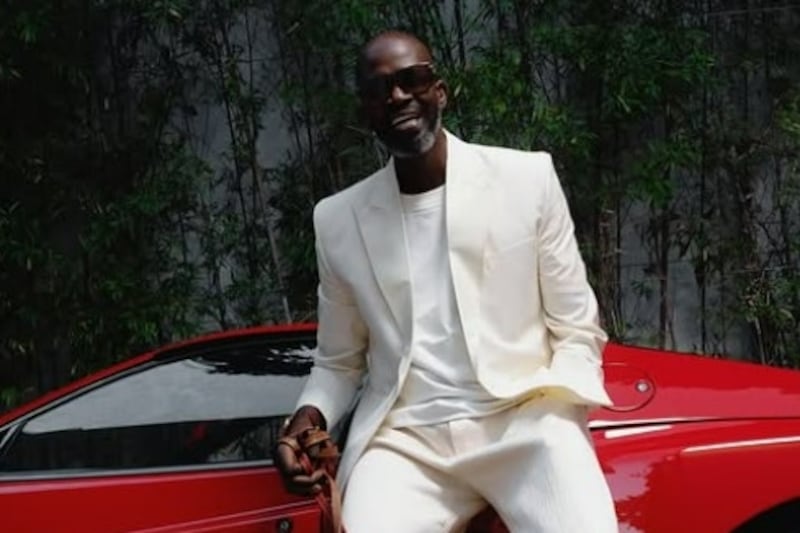
He is a serious car collector as well. EDM.com reports that his garage includes a Ferrari 812 GTS, a Lamborghini Huracán STO and a McLaren GT, which is part of why a dealership treated his order as a marquee build in the first place.
The wider point is about paperwork. Artists at this level sign a great many agreements that are, like this one, partly written and partly spoken, and the ruling is a reminder that an incomplete contract plus an email trail can still be enforced. Dance music has had a busy year in the courts, from the sample claim against Beyoncé over a 1998 house record to publishers pursuing AI companies over training data. This one belongs in the same bracket: the scene’s biggest names testing their contracts in public.
What happens next
It is not yet clear whether Maserati South Africa will appeal, and that remains the open question. Neither the company nor Maphumulo has issued a public statement on the ruling, so anything beyond the terms of the order is unconfirmed.
One small discrepancy is worth flagging for anyone comparing coverage. The dollar figure reported for the award varies slightly between outlets, appearing as both $437,000 and $438,000, because R7 million converts differently depending on the date and rate used. The rand figure, R7 million, is the one fixed in the order.
Frequently asked questions
What was the Black Coffee Maserati case about?
Black Coffee’s company, Soulistic Music, sued Maserati South Africa after a custom MC20 Cielo he had ordered was not delivered. He wanted the deal cancelled and the R7 million already tied up in it returned.
How much did the court order Maserati to pay?
R7 million, roughly $438,000, plus interest of 10.5% a year from 22 August 2025 until the amount is paid in full, plus the legal costs of the proceedings.
Why did Black Coffee cancel the order?
He said the agreed delivery date was July 2025. On 3 June the dealership told him the car would only enter production in August, with no estimated delivery date, which he treated as a breach of the agreement.
What did Maserati argue?
That it never agreed to a July 2025 delivery date, that a custom Cielo takes at least nine months to build once specifications are confirmed, and that some of the requested customisations fell outside the original quotation and still needed head office approval.
Is Maserati appealing the judgment?
That has not been confirmed. No public statement on an appeal had been issued at the time of writing.
The bottom line
Four years, one undelivered supercar and a summary judgment later, Black Coffee has his money back on paper. The car never arrived, the interest clock has been running since August 2025, and the dealership carries the costs. For an artist whose Saturday nights on Ibiza run through early October, it is a rare win that had nothing to do with a dancefloor.