

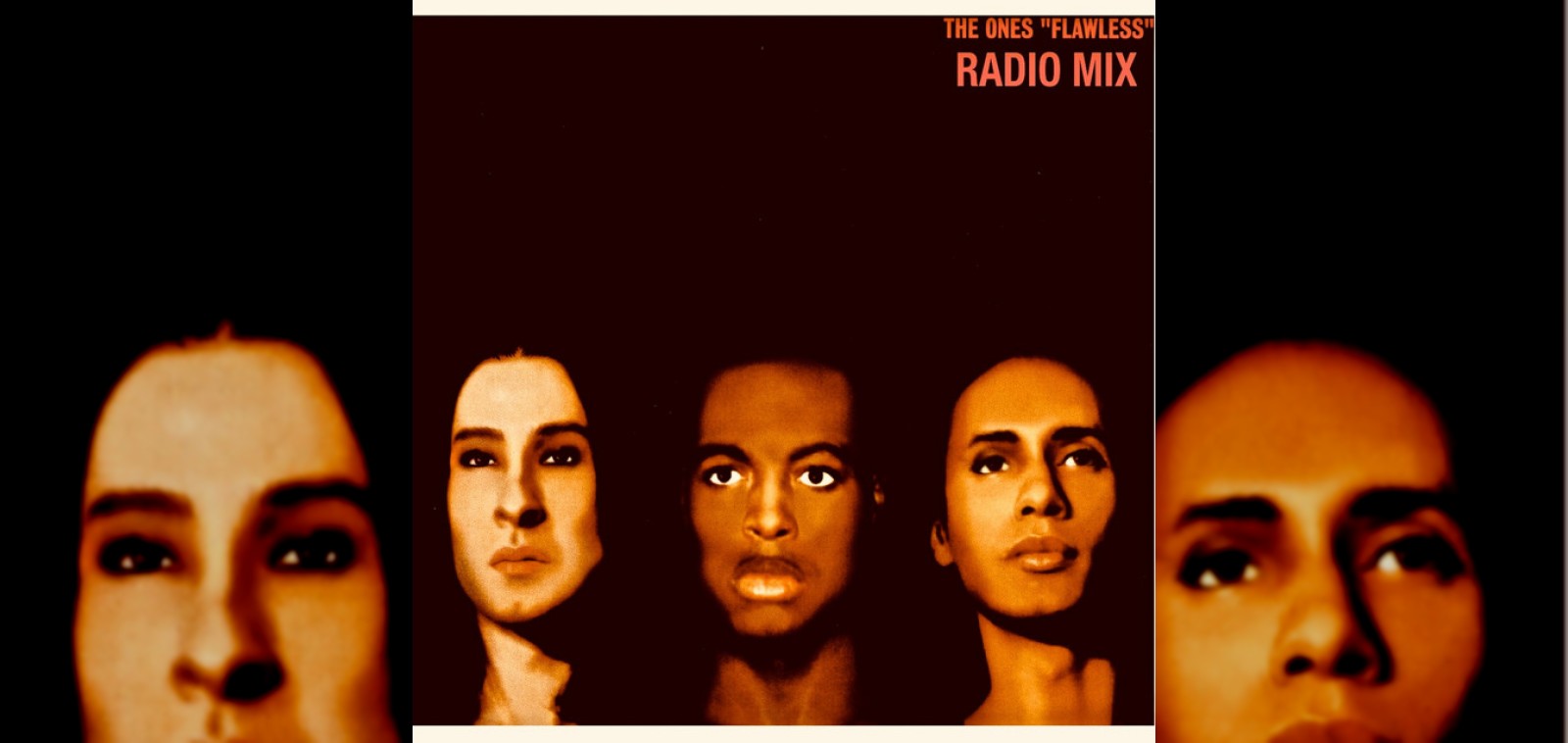
Twenty five years ago this October, three New Yorkers who met behind the counter of a Greenwich Village boutique released a house record that has refused to go away. The Ones Flawless landed on October 8, 2001, reached No. 7 on the UK Singles Chart, went to No. 1 on the UK Dance chart, and then got a second life when George Michael built one of his biggest club hits directly on top of it.
The short version of this story usually stops at the chart numbers. The fuller version is better, because it explains why a record assembled almost entirely out of other people’s records still works on a dancefloor in 2026.
Three stylists, one boutique and a film called Flawless
The Ones were Paul Alexander, JoJo Americo and Nashom Wooden, three vocalists who met while working at Patricia Field, the Greenwich Village boutique that dressed a large slice of downtown New York. All three arrived from the same overlapping worlds of performing, DJing and styling inside the city’s underground club and fashion scenes. They formed the group in 1998.
The song took its title from the 1999 film Flawless, in which Wooden appeared alongside Robert De Niro. That detail says a lot about the record. It was made by people who lived inside nightlife rather than by producers reverse engineering a chart formula.
Flawless first surfaced in 1999 on A Touch of Class Recordings, a New York label, and circulated among city DJs well before it had any serious commercial machinery behind it.
The Ones Flawless and the samples underneath it
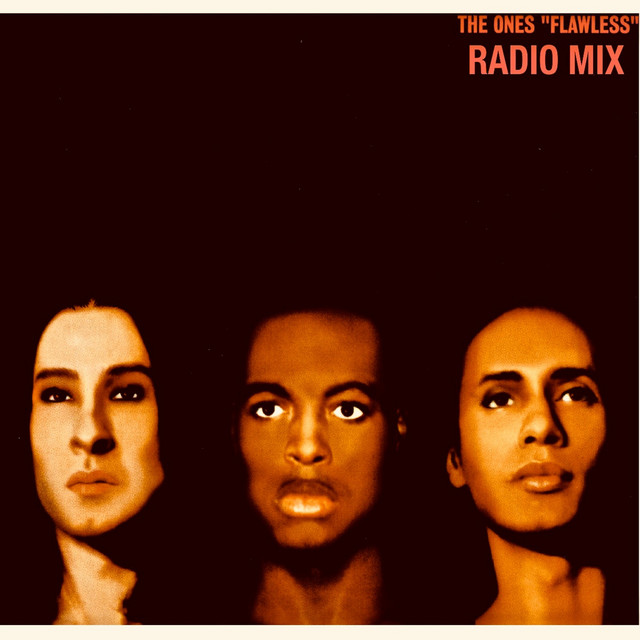
The groove everybody recognises is borrowed, and openly so. Flawless is built on Gary’s Gang’s 1978 disco staple Keep On Dancin’, with further sampled material drawn from Tom Tom Club’s Wordy Rappinghood and Alec R. Costandinos’ Romeo and Juliet.
That stack of references is the whole trick. Keep On Dancin’ supplies the propulsion, the Tom Tom Club element adds the playful top end, and the vocal sits over all of it with a confidence that only works if you actually mean it. It is a disco record rebuilt for a 2001 dancefloor, which is more or less what the best house music was doing at the time. The same instinct runs through records like Eric Prydz’s Call on Me, which turned a single borrowed vocal into a decade defining anthem three years later.
What the charts actually said
The 2001 reissue, released through Positiva in the UK and Groovilicious in the United States, posted numbers that most credible club records never reach:
- UK Singles Chart: No. 7
- UK Dance Singles Chart: No. 1
- US Billboard Dance Club Play: No. 4
- Scotland: No. 8. Ireland Dance: No. 2. Eurochart Hot 100: No. 30
- Australia: ARIA named it the most popular club hit in the country for 2001, with the Australian Club Chart placing it at No. 1 for the year
Those are the figures logged by the Official Charts Company and Billboard. A club record crossing into the UK top ten without a major pop vocalist attached was not routine in 2001, and it is rarer now.
George Michael took it to No. 1

In June 2004 George Michael released Flawless (Go to the City), taken from his album Patience. It was not a remix. He wrote new lyrics over The Ones’ record, and the credits reflect that, listing Michael alongside Paul Alexander, Nashom Wooden, Gary Turnier, Eric Matthew and Olivier Stumm.
The result reached No. 8 on the UK Singles Chart, one place below where the original had peaked. In the United States it went further than the original ever did, topping both Billboard’s Dance Club Play and Dance Singles Sales charts. The video, directed by Jake Scott, was staged to look like one continuous take inside a hotel suite that slowly fills with dancers.
For The Ones it meant something unusual. Their debut single charted twice inside the UK top ten, under two different names, within three years.
What happened afterwards
The Ones followed Flawless with Superstar in 2003, which reached No. 45 in the UK, and kept releasing music through the 2000s, including Ultramodern in 2006 and When We Get Together in 2008, whose video collected cameos from Scissor Sisters, Debbie Harry, Jody Watley, Ultra Naté and others.
Nashom Wooden, known on the New York drag circuit as Mona Foot, died on March 23, 2020 after reportedly contracting the coronavirus. His death was marked across the drag and club communities he had spent decades helping to build, the same downtown world that produced rooms like the Palladium.
Why it still lands 25 years on
Flawless survives because it is completely unembarrassed. There is no irony in it, no hedging, no attempt to sound cooler than the disco records it leans on. It takes a 1978 groove, a 1981 hook and a vocal about looking good, and it commits totally.
That is also why it keeps getting rediscovered. Every few years a DJ drops it into a set and a room full of people who were not born in 2001 react as though it came out last month. Twenty five years on, The Ones Flawless has outlasted most of what charted around it.