
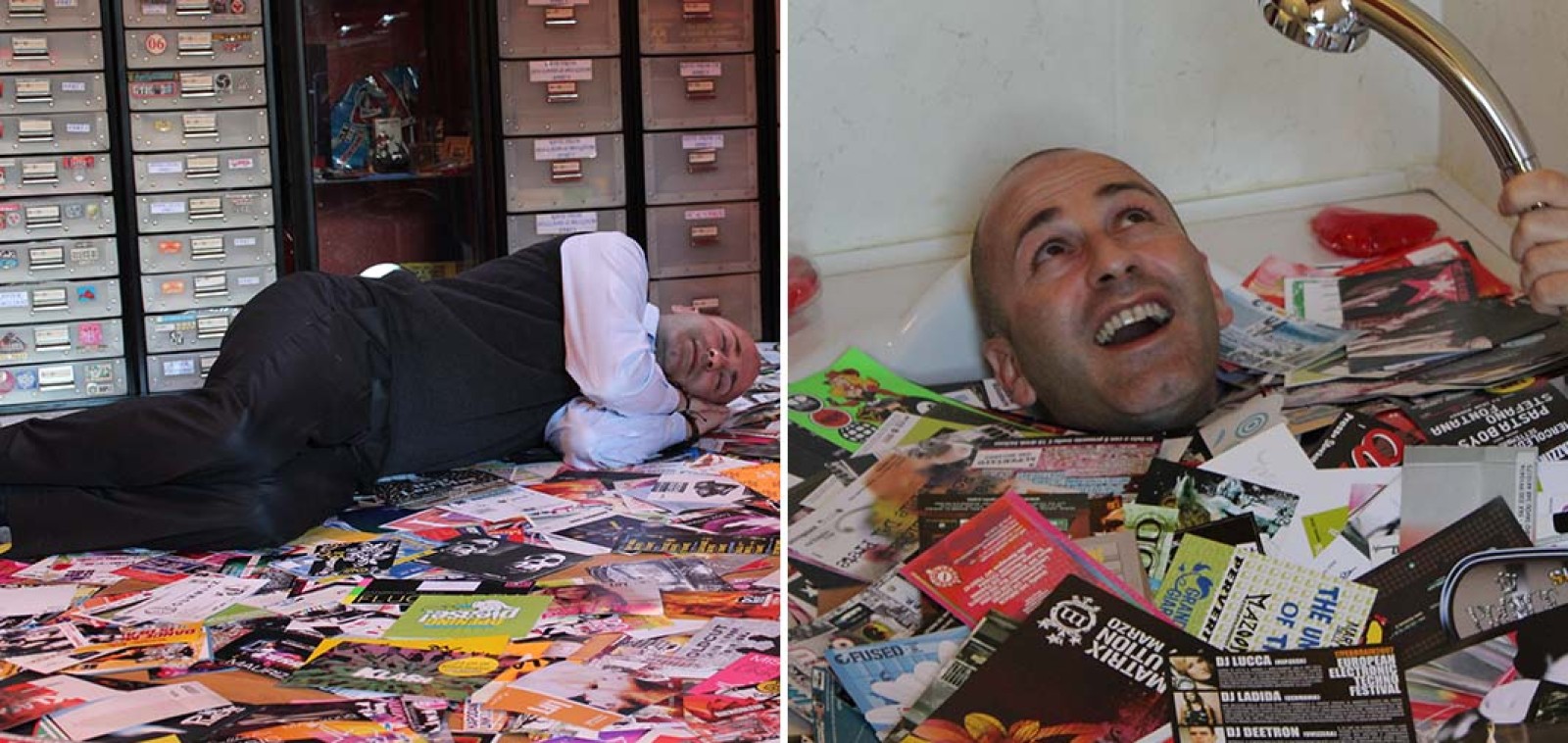
Almost every flyer printed for a club night is designed to be thrown away. It goes up on a lamp post on Tuesday, does its job by Saturday, and is torn down or rained off by the following week. One man in northern Italy decided that was a waste, and the rave flyer collection he built over more than two decades now holds a Guinness World Record with 113,012 individually counted pieces of paper.
The collector is Marco Brusadelli, from Cisano Bergamasco, a small town near Bergamo. Guinness World Records lists his archive under the title largest collection of night club flyers, with the count verified on 6 August 2015. The organisation published a full feature on the collection in September 2025, which is when most of the dance music world found out it existed.
How a rave flyer collection reaches six figures
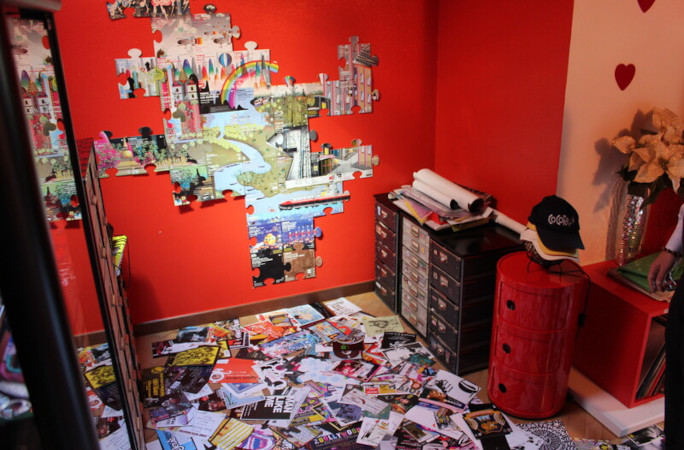
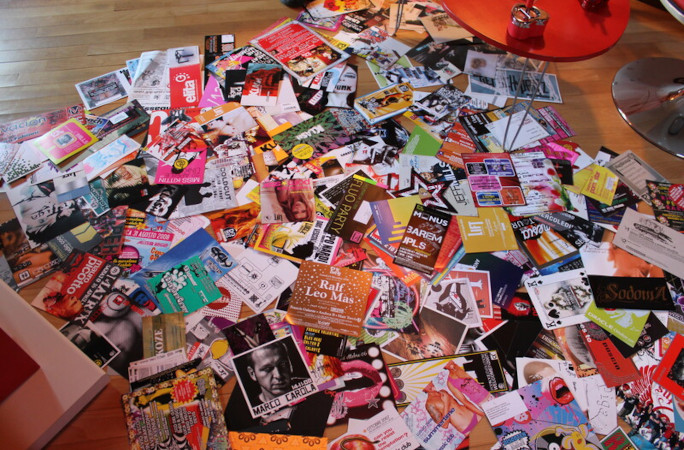
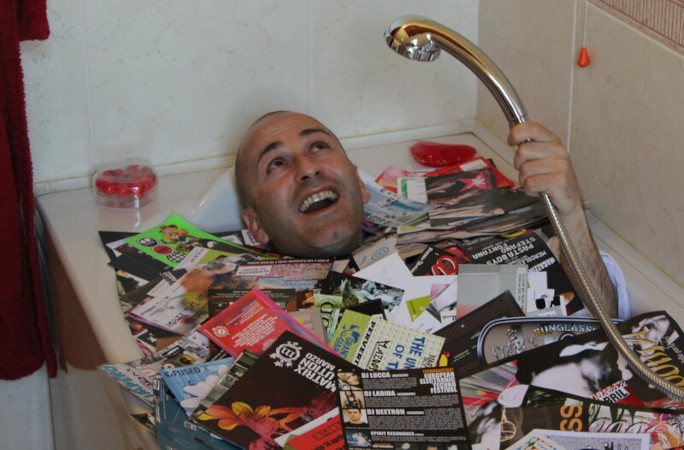
Brusadelli started in 1991, peeling flyers off walls and street poles while he travelled, then filing them in folders at home. He kept going for roughly twenty four years, turning one room of his house into what Guinness describes as an unofficial museum.
The breakdown is where the scale becomes obvious. According to Guinness World Records, the archive holds more than 12,000 rave flyers and more than 17,000 club flyers gathered internationally, including 11,611 from the United Kingdom and over 40,000 from different regions of Italy. The material dates from 1985 to 2015.
The official figure and Brusadelli’s own figure are not the same, and the gap is worth explaining. Guinness counted 113,012 items that met its criteria. A further 5,003 pieces from Italian venues and other events fell outside the rules, and the collector puts his personal total at 119,897.
What actually counts as a night club flyer
The record has a narrow definition behind it. Guinness treats a night club flyer as a paper advertisement for a club, a rave or a special dance event, no bigger than an A4 sheet, produced for wide distribution and typically posted in public or sent through the mail. Posters, tickets, wristbands and oversized print do not qualify, which is why several thousand of Brusadelli’s items were set aside during the count.
The musical scope is equally specific. The collection covers house, techno, trance, hardcore, progressive, drum’n’bass, EDM and afro/cosmic, which is to say the flyers track the genre splits of European club culture across three decades rather than one scene.
A filing system, not a pile
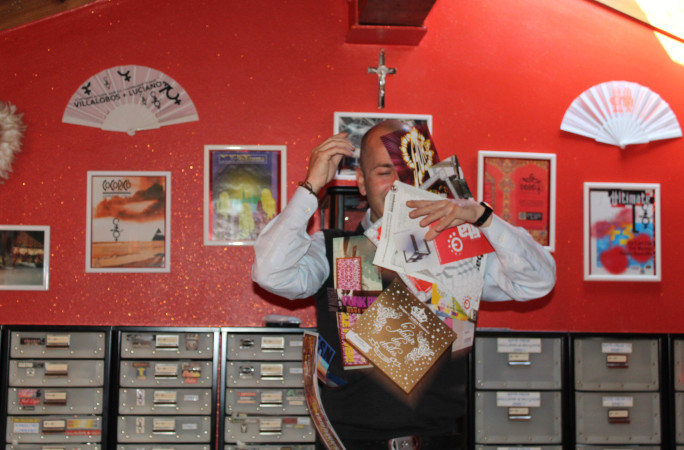
What separates this from hoarding is the cataloguing. Guinness reports that every flyer sits in an organised drawer in Brusadelli’s music room, sorted by country, by party or rave, and by format. That structure is the reason the count was possible at all. An adjudication of six figures worth of loose paper needs a system behind it before anyone can start verifying.
Brusadelli also sourced heavily through trade rather than travel alone, swapping with collectors, promoters, art directors and graphic designers around the world. He has said the project became global because those people helped build it, and that he is confident nobody else holds as many distinct flyers.
Why paper is the archive dance music never planned
For a lot of nights, the flyer is the only surviving physical record. There is no recording, no photo set, no press coverage. What remains is a piece of card carrying the venue, the date, the promoter, the artists booked and the visual language of that exact moment, which is often the fastest way to date a scene.
Institutions have started to treat that seriously. The Museum of Youth Culture has exhibited underground flyers as design objects, publishers such as Colpa Press have put out books of early 1990s rave flyers from New York, Los Angeles and London, and digital archives including Phatmedia and the Rave Preservation Project have spent years scanning collections that would otherwise decay in boxes. Brusadelli is the largest verified example, not an isolated one.
It sits alongside a wider pattern in dance music, where the physical objects of the culture keep gaining value as the culture itself goes digital. We have covered that trend before, from the most expensive synthesizer ever sold at auction to the tracks that changed house music forever. Flyers are the cheapest artefact in that story and, for a long time, the least protected.
He stopped collecting once he got the title
The ending is not what you would expect from a collector at that scale. After receiving the record, Brusadelli stopped. Guinness reports that he has dedicated what he calls his new life to helping less fortunate people, and that the archive remains open to anyone who cares about it.
He has framed the whole thing as a form of contemporary art history rather than a personal trophy, saying he worked on it for more than half his life without any money in mind, and that he hopes it pushes younger listeners to look into the origins of house and techno.
Rave flyer collection FAQ
Who holds the record for the largest rave flyer collection?
Marco Brusadelli of Cisano Bergamasco, Italy. Guinness World Records recognises him for the largest collection of night club flyers, with 113,012 items counted on 6 August 2015.
How many flyers are in the collection in total?
Guinness verified 113,012 flyers under its criteria. Brusadelli says a further 5,003 items from Italian venues and other events did not fit the rules, and puts his own total at 119,897.
When did he start collecting?
In 1991, by peeling flyers off walls and poles while travelling. The material in the archive dates from 1985 through to 2015.
What genres does the collection cover?
House, techno, trance, hardcore, progressive, drum’n’bass, EDM and afro/cosmic, drawn from major clubs, parties and DJs across those scenes.
Is the collection still growing?
No. Brusadelli stopped collecting after the record was confirmed, though he has said he is happy to share the archive with anyone interested in it.
Nobody printed those flyers expecting them to survive. That is exactly what makes the count matter: a scene that documented itself in disposable paper now has one of its most complete records sitting in a set of labelled drawers in a small Italian town.
Sources: Guinness World Records, DJ Mag, Resident Advisor, Mixmag and Electronic Groove.