

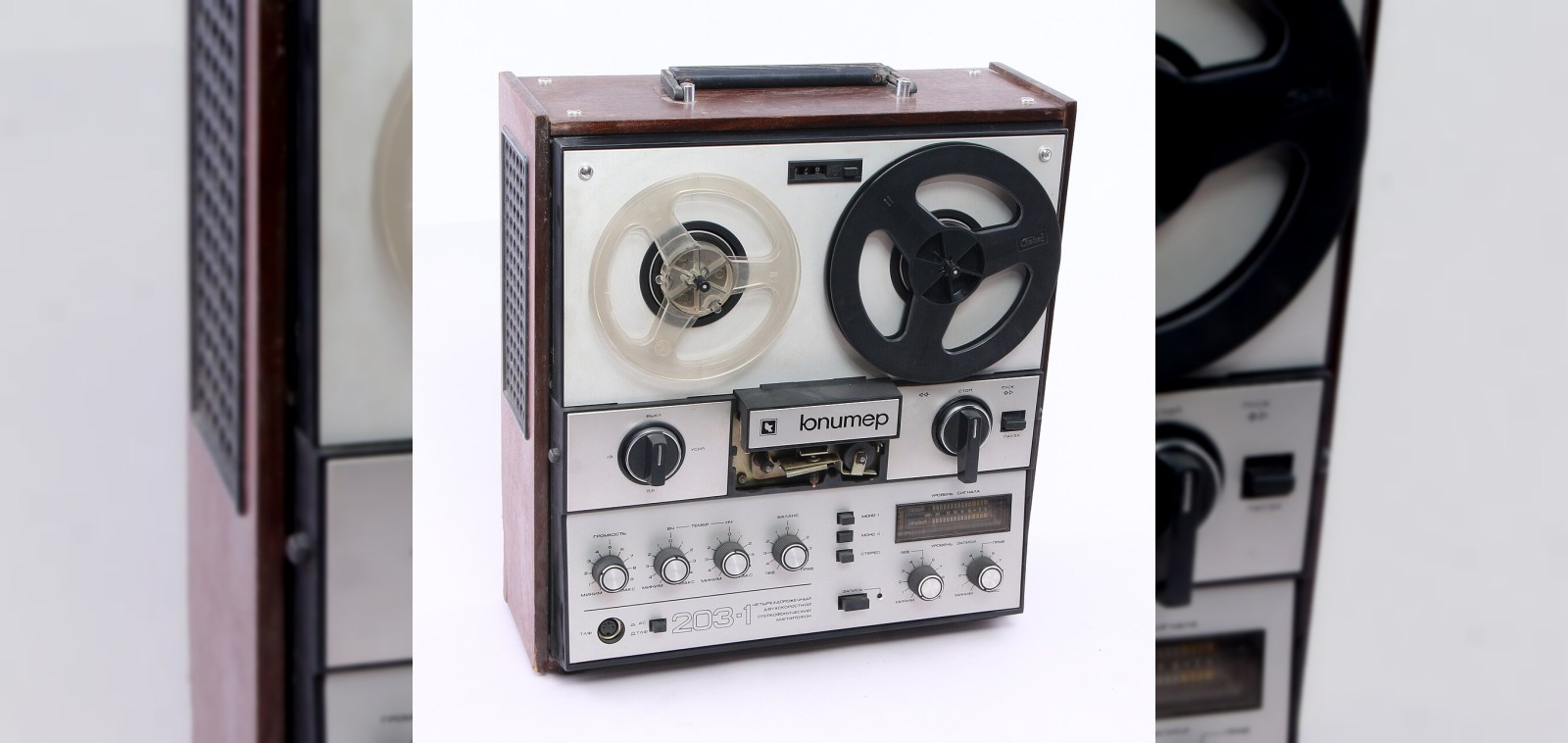
In 1991 the DMC World DJ Championships in London made room for a routine with no turntables in it. Modris Skaistkalns, a 25 year old from Riga billed as Mr Tape, walked out with two Soviet tape machines and spent his set cutting, looping and rewinding quarter inch tape by hand. More than three decades later the clip still circulates, and the Mr Tape reel to reel DJ set remains one of the strangest and most inventive moments the competition ever hosted.
Mr Tape at DMC 1991: a showcase, not a title run
The popular version of the story says Mr Tape competed for the USSR. The record is a little different. DMC founder Tony Prince introduced the act to the London crowd as two Latvian DJs from the Soviet Union, and the set was staged as a special showcase rather than a competing entry. The 1991 world title went to DJ David from Germany. Skaistkalns never needed the trophy. What people remember is the method.
The timing mattered too. Latvia had declared its intention to restore independence in May 1990, but that independence was not recognized until late August 1991. Mr Tape arrived in London as a performer from a republic that was still, on paper, part of the Soviet Union, and according to the event commentary the Latvian crew paid their own way to get there.
Why a Latvian DJ mixed on tape instead of vinyl
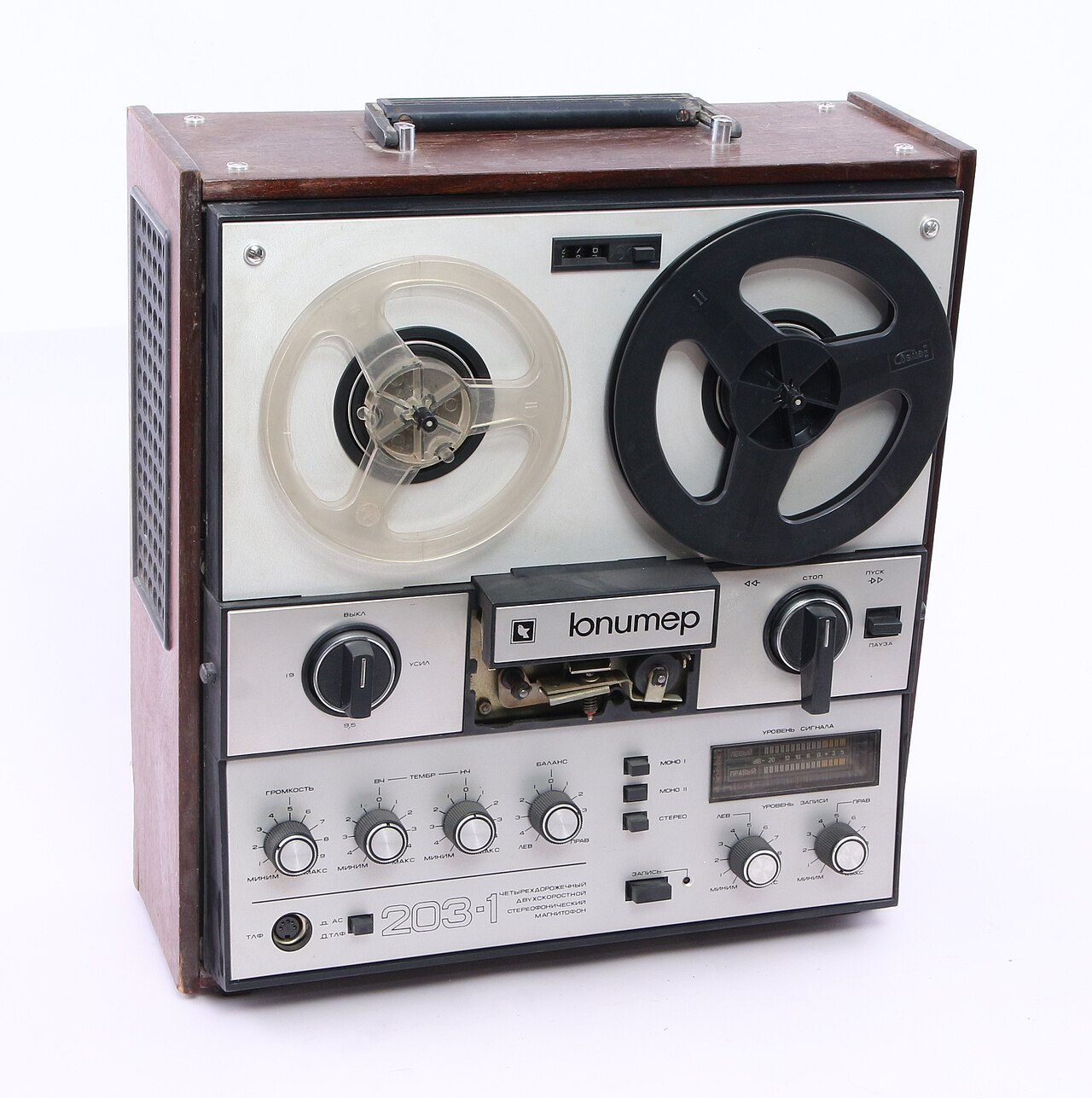
Vinyl was never banned in the USSR, a point plenty of viewers make every time the video resurfaces. The problem was access. Western dance records barely reached Riga, and a pair of Technics SL 1200 turntables, the standard tool of every DMC finalist, was rare and changed hands on the black market for serious money. Tape recorders were a different story. Soviet factories built them in large numbers, and DJs could fill reels by recording music straight off foreign radio broadcasts.
So the Latvian scene adapted. Local DJs modified their machines for more control over playback and speed, and Jānis Krauklis, often described as the first vinyl DJ in the USSR, is also credited with building pitch control into tape players. Mr Tape took that toolkit further than anyone, treating two reel machines the way hip hop DJs treated two decks.
How the routine actually worked
A turntablist can drop a needle anywhere on a record in a second. A tape DJ cannot. Every cue point has to be found by ear, rewound and held, and the only way to “scratch” is to drag the tape across the playback head with your hands. In London, Skaistkalns did exactly that. He looped short phrases, made rhythmic cuts, pushed and pulled the reels to mimic scratches and juggled between the two machines in time.
Watching it now, the precision is the shocking part. There is no waveform, no sync and no margin for error, only two spinning reels and a DJ who clearly knew exactly where every sound sat on the tape.
Riga’s tape DJ scene before London
Mr Tape did not appear out of nowhere. Latvia is widely seen as the first Soviet republic where DJ culture and techno took hold, with figures like Hardijs Lediņš, often called the first DJ in the USSR, and Roberts Gobziņš, known as EastBam, building a scene through the late 1980s. In 1989, a few days after the first Love Parade in Berlin, Uģis Polis, Krauklis and Gobziņš teamed up with the West Berlin label Low Spirit to stage a tape DJ championship in Riga. Skaistkalns won it, and that win set up the trip to London, as Deep Baltic’s history of Latvia’s late 80s dance scene documents.
The same circle kept building. In 1991 Polis and Krauklis launched Radiodejas, Latvia’s first private radio station, broadcasting from a flat in Riga. It became Super FM in 1994 and opened what was then the largest club in the country. It is a reminder that dance scenes everywhere were built by people working around limits, much like the Chicago DJs who first shaped house music with tape edits and drum machines.
What came after Mr Tape
Skaistkalns moved from the decks to the studio. In the 1990s he became one of Latvia’s leading house producers and remixers and formed 100. debija with singer and DJ Agris Semēvics. Their debut, Debijas albums, came out on 7 May 1994, first on cassette, and sold more than 50,000 copies counting pirated tapes. It was named the most popular record of 1994 at Latvia’s Mikrofona awards, and an English version of their hit “Sen jau viss,” retitled “Day By Day,” landed on the Japanese compilation Dancemania 5.
Tape itself never fully went away either. Cassette sales are climbing again, though nobody is mixing on them at the world finals. That is what keeps the 1991 clip alive. In an era of four deck setups and stems, Mr Tape is proof that the skill was always in the hands, not the hardware.