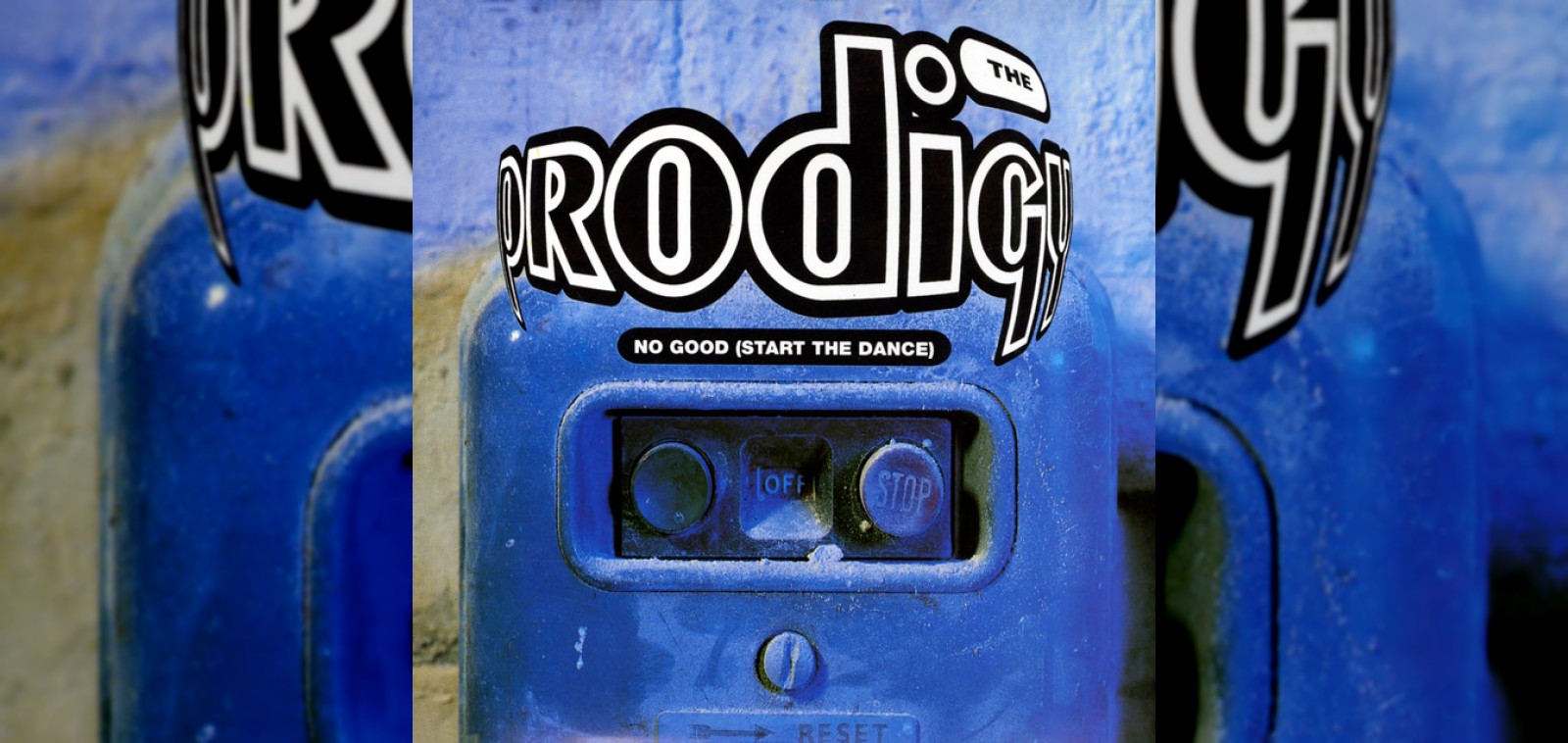
In 1994 the British government was drafting a law that identified dance music by its rhythm. The Prodigy answered it with a record built on a New York house vocal. No Good (Start the Dance) landed that May, climbed to No. 4 on the UK singles chart and became the sound of a scene refusing to be legislated out of existence.
Three decades later it is still one of the most recognizable things Liam Howlett has ever made. The story behind it runs through Westminster, through a recording studio in Teaneck, New Jersey, and through some of the largest street protests British club culture has ever produced.
The law that wrote “repetitive beats” into the statute book
The Criminal Justice and Public Order Act 1994 was announced by Home Secretary Michael Howard at the 1993 Conservative Party conference and pushed through the Commons over the following year, under John Major’s government. It received Royal Assent on 3 November 1994.
Section 63 is the part ravers still quote back. It gave police powers over gatherings on open land where amplified music was played at night, and it defined music as sounds “wholly or predominantly characterised by the emission of a succession of repetitive beats”. A genre had effectively been written into British law so it could be policed. The original wording is still public on the government’s own site, in Section 63 of the Act.
The response was loud. London saw three mass demonstrations during 1994: roughly 20,000 people marching from Hyde Park to Trafalgar Square on May Day, somewhere between 20,000 and 50,000 on the same route on 24 July, and another march on 9 October that police put at 20,000 to 30,000 and that ended in disorder when protesters tried to bring sound systems into Hyde Park.
No Good (Start the Dance) started with a 1987 house record
The hook everyone shouts back is not Howlett’s. It comes from “You’re No Good for Me”, a garage house single released in 1987 by American singer Kelly Charles, issued on Next Plateau in the United States and London Records in the UK, and recorded at Alpha Recording in Teaneck, New Jersey, with James Bratton and Delores Drewry producing.
That detail is worth sitting with. The most aggressive British rave record of 1994 is powered by a New York club vocal, pitched up and cut into breakbeats until it lands like a threat. Howlett also folded in elements of “Funky Nassau” by The Beginning of the End. House music went into the sampler, rave came out the other side.
Music for the Jilted Generation turned the backlash into an album
The single came out on 16 May 1994 through XL Recordings, written and produced by Howlett, with a video directed by Walter Stern. It peaked at No. 4 in the UK on 12 June and went platinum on sales of 600,000. Overseas it went further, topping the charts in Finland and Greece, reaching No. 2 in the Netherlands and No. 4 in Germany and Ireland.
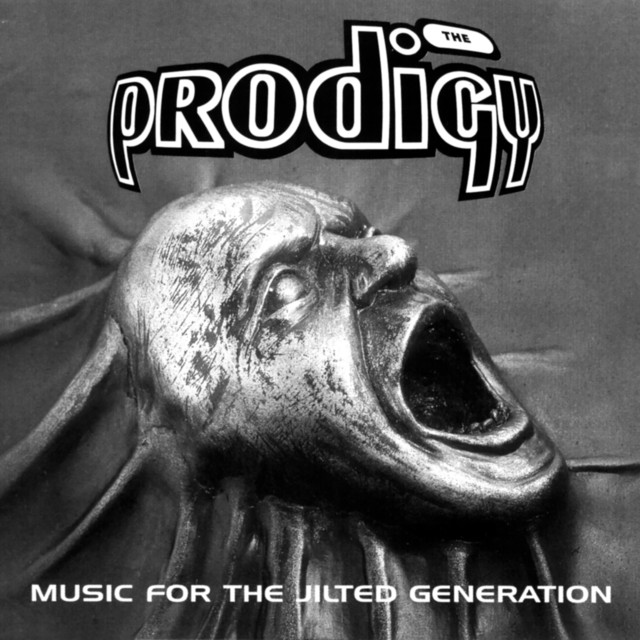
Its home was Music for the Jilted Generation, released on 4 July 1994 and straight to No. 1 on the UK albums chart, later nominated for that year’s Mercury Prize. The packaging did plenty of the talking: cover design by Stewart Haygarth, and an inner sleeve painting by Les Edwards showing ravers and police facing each other across a ravine. The album’s other flashpoint, “Their Law” with Pop Will Eat Itself, said out loud what the artwork implied.
It was a strong run of singles too. “One Love” had opened the campaign in October 1993, “No Good (Start the Dance)” followed in May 1994, “Voodoo People” arrived that September and “Poison” closed it out in March 1995.
What Liam Howlett has said about the politics
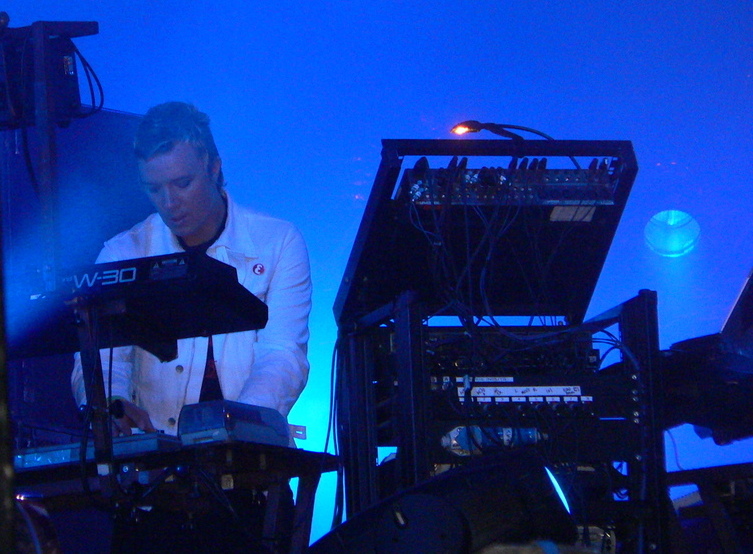
Howlett has spent years pushing back on the idea that he set out to write a protest album. He has called that political reading of the record stupid, and has rejected the notion that the songs were built as a statement about the bill.
Both things can be true at once. The album was not a manifesto, and it became one anyway. A generation that had spent five years being told its parties were a public order problem heard these records as a reply, whatever the producer had in mind in the studio.
Why the record still lands more than 30 years on
The Act did not kill the culture. It moved it indoors, into licensed venues with promoters, door staff and tax returns, which is more or less the club economy we still work inside today. Free parties carried on regardless, quieter and more careful about where they set up.
What survives loudest from 1994 is the record itself. No Good (Start the Dance) still opens sets, still fills rooms, and still carries the fingerprint of a New York house singer who almost certainly never imagined where her voice would end up. For more on how the studio experiments of that era shaped what followed, read our piece on Josh Wink’s Higher State of Consciousness. And for the club tradition that vocal came out of, revisit our look back at the Palladium in New York.