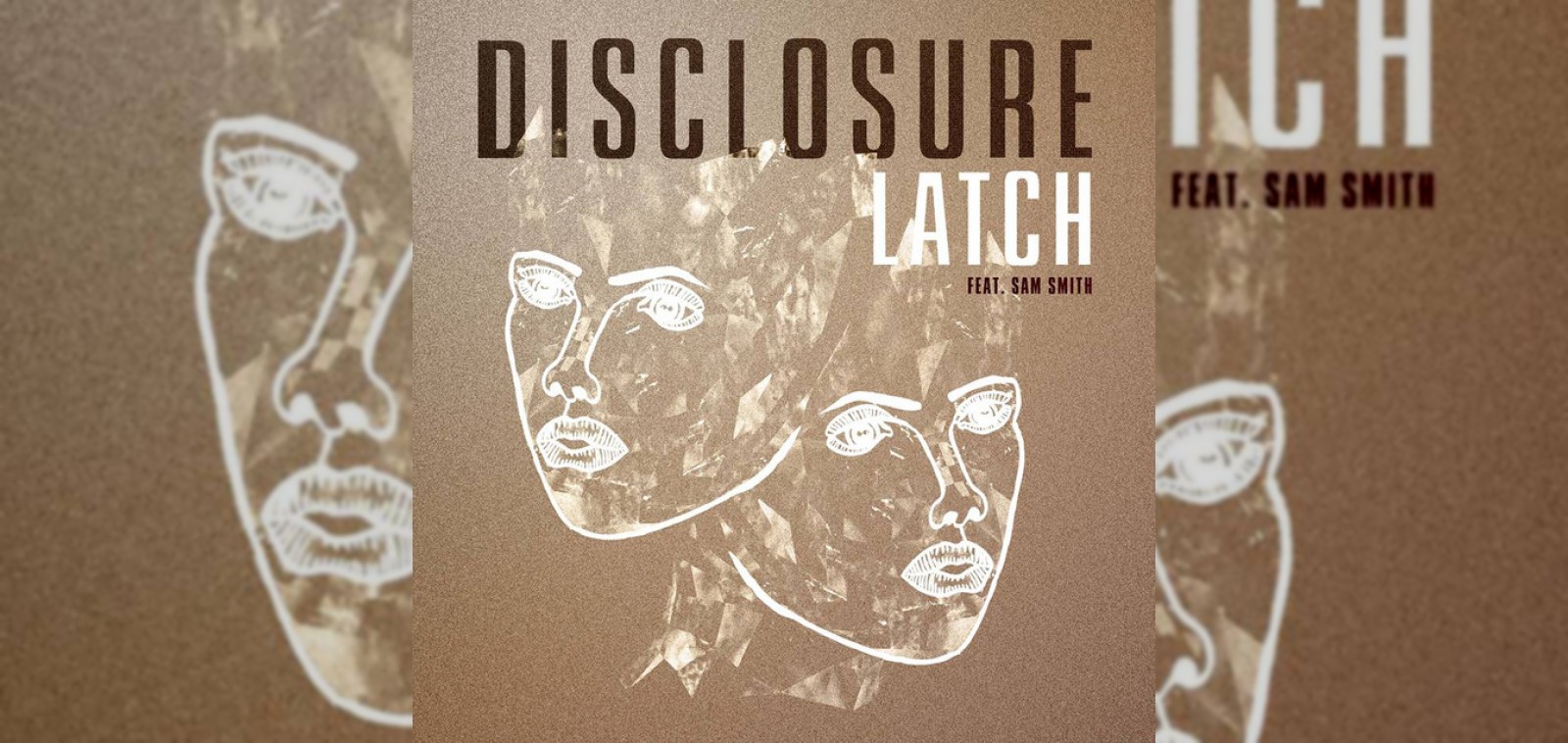
The story of Disclosure Latch starts with a singer nobody knew, working shifts in a London bar. When the Lawrence brothers first heard Sam Smith, they assumed the voice belonged to a woman. By the end of their first day in a studio together they had a song, and the vocal that launched two careers was finished between bar shifts. Fourteen years after its release, “Latch” still sounds like the moment UK house went pop without losing its nerve.
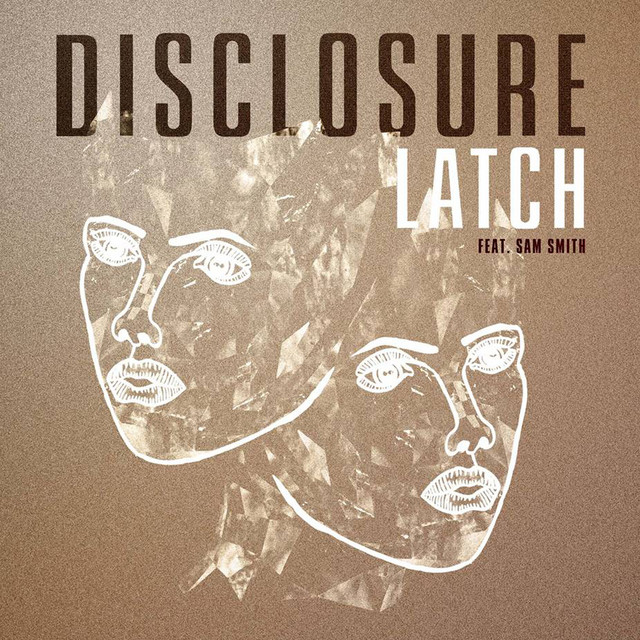
A voice heard before a face
In 2012 Guy and Howard Lawrence were two brothers from Surrey, then 21 and 18, making garage influenced house in their bedrooms. Through their management they came across “Lay Me Down”, an early track by an unsigned singer called Sam Smith, and the falsetto stopped them cold. “I was kinda blown away to find out that he wasn’t a girl,” Howard later told Gigwise. They also learned that Smith was not a working musician at all but, in Howard’s words, just someone working in a bar.
The session was arranged at the studio of songwriter and producer Jimmy Napes, real name James Napier, who would become a key collaborator for both acts. Howard has said the first day they met Smith in the studio was the day “Latch” came together. Guy remembered the beat already being built, with “samples all over it”, before the vocal transformed it. The four of them are credited as writers.
The Disclosure Latch vocal, recorded on a lunch break
The detail that has made the song a piece of pop folklore comes from Smith directly. “I was working in a bar,” the singer told Queerty in 2014. “I did that vocal on my lunch break from the bar. I think you can hear it in my voice.” In an NPR interview the same year, Smith was even more blunt about where things stood two years earlier: the job included cleaning the toilets.
What you hear on the record is a singer climbing through registers in a way that sounds almost synthetic. Universal executive Nick Raphael reportedly assumed the vocal had been processed, because no person could cover that much range without a computer. It was just Smith, singing over a rolling, swung beat that the brothers produced themselves.
A modest UK start, then a slow American burn
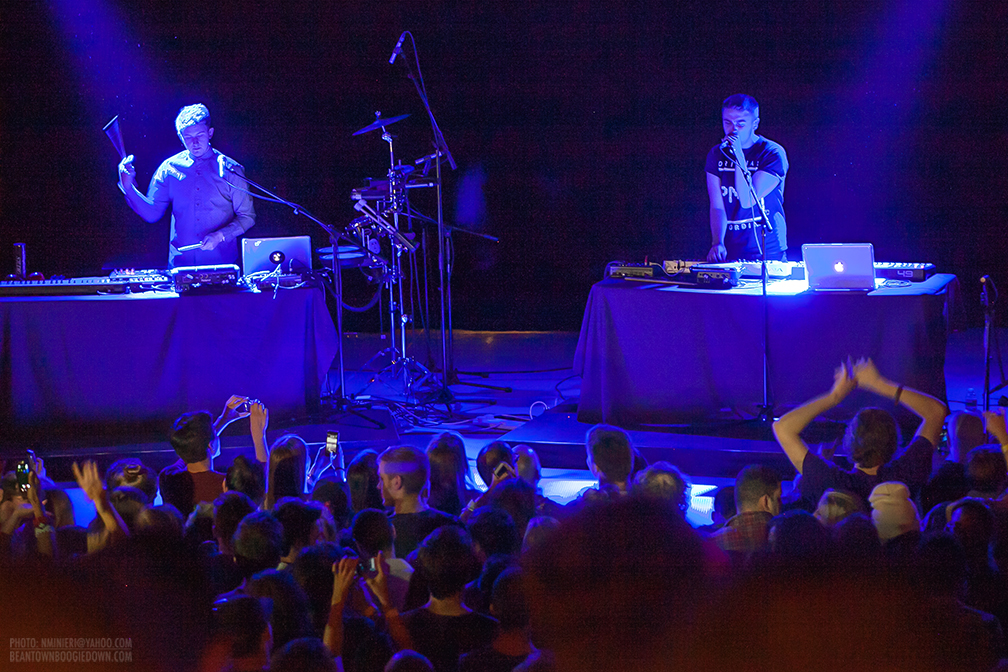
“Latch” was released on October 8, 2012 through PMR Records. It entered the UK Singles Chart at No. 26 and peaked at No. 11, a solid result for a young duo but not the sound of a phenomenon. The following June it became the lead single of Disclosure’s debut album “Settle”, which went straight to No. 1 in the UK, earned a Mercury Prize nomination and picked up a Grammy nod for Best Dance/Electronica Album.
The real breakthrough came in America, almost two years after the original release. Interscope and Cherrytree pushed the song to US radio in February 2014, and it built week by week until it reached No. 7 on the Billboard Hot 100 on the chart dated August 9, 2014. It also topped Billboard’s Dance/Electronic Songs chart. By then Smith had become a global star in their own right with “Stay With Me” and the album “In the Lonely Hour”, and “Latch” was suddenly the origin story everyone wanted to hear.
From sleeper hit to all time great
The song’s standing has only grown since. In 2022 Rolling Stone placed “Latch” at No. 10 on its list of the 200 Greatest Dance Songs of All Time, ahead of decades of club classics. By May 2024 it had passed one billion plays on Spotify, joining the platform’s Billions Club, and it holds multi platinum certifications in the UK, the US and Australia.
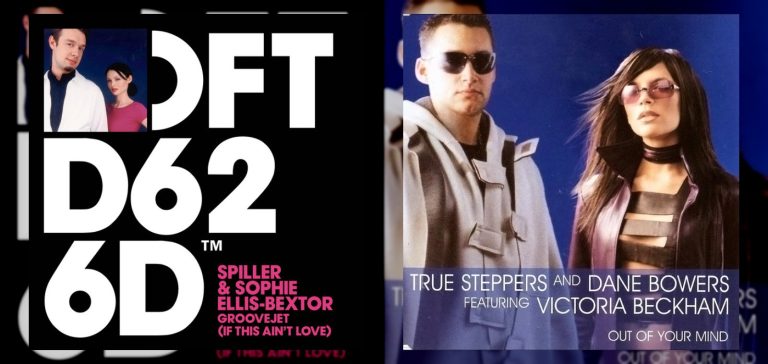
Part of the appeal is that it never fit neatly anywhere. It was too soulful to be a straight club tool and too rooted in UK garage and house to be a typical radio single. That tension is the same thing that made earlier crossovers like the Show Me Love StoneBridge remix and Spiller’s “Groovejet” stick: a house record first, with a vocal strong enough to carry it everywhere else.
Back together at Glastonbury
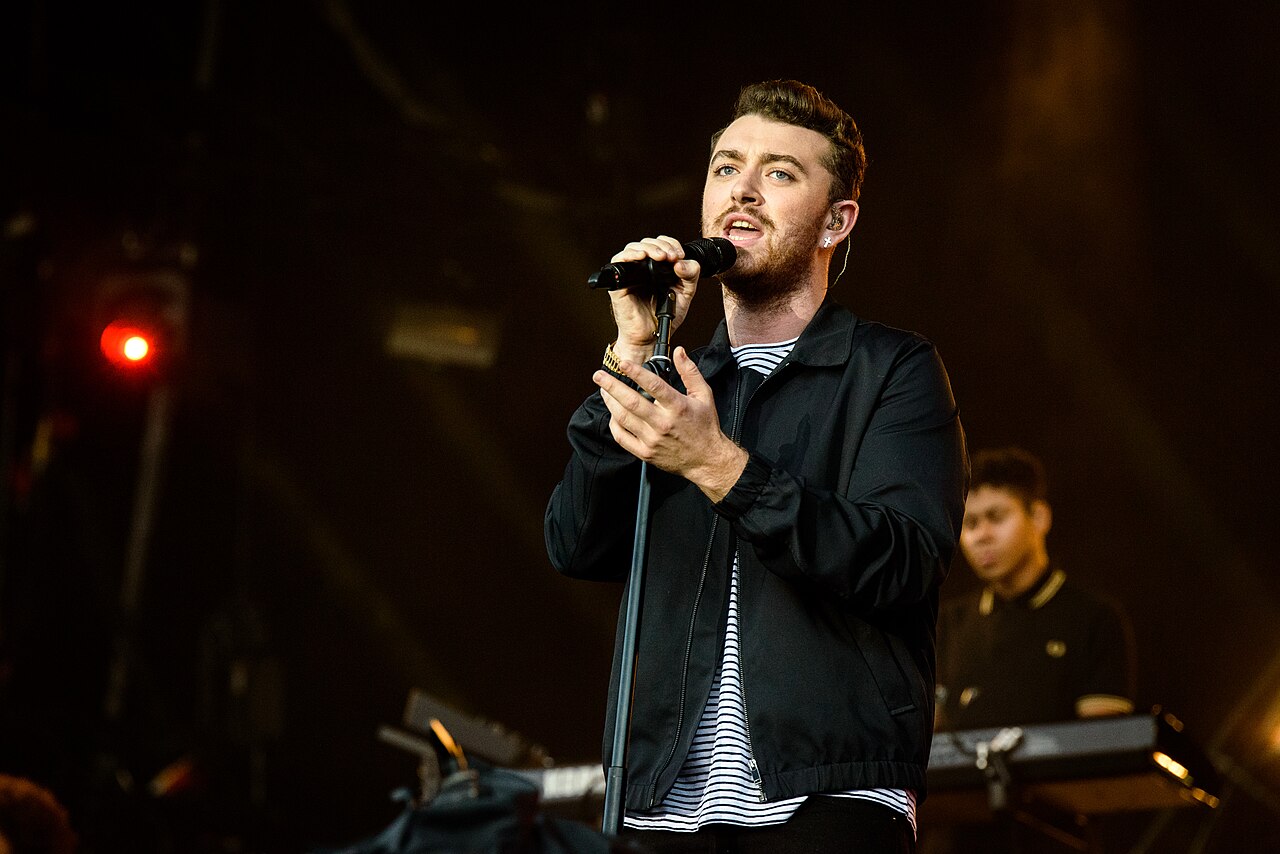
The reunion most fans remember came at Glastonbury 2024. During Disclosure’s set on the Other Stage at the end of June, Howard Lawrence introduced a song that had “changed our lives”, and Smith walked out to sing “Latch” with them, twelve years after the original release. Clips of the crowd singing every word spread quickly online, and EMI called it an unforgettable night.
It was a neat full circle. The singer who once squeezed a career defining vocal into a lunch break was now headlining arenas, and the two brothers from Surrey had become one of the most respected live acts in electronic music. The song in the middle has outlasted both of their early images.
For more on Sam Smith’s rise in their own words, NPR’s 2014 profile is worth a read. So, where were you the first time you heard “Latch”?