

One of New York’s most talked about clubs has turned its no photo rule into a full smart glasses nightclub ban. On 27 August, Basement told its crowd that camera equipped eyewear is no longer welcome anywhere on the premises: not on the dancefloor, not in a jacket pocket, not in a bag. The Queens venue, which has run a no photo and no video policy since it opened beneath the Knockdown Center in 2019, said anyone who brings a pair inside will be asked to leave and may be barred permanently.
The announcement went up on the club’s Instagram account and left no room for interpretation. Basement said the rule exists to protect “the privacy, safety and freedom of everyone on our dance floor”, and that devices capable of discreet recording cannot coexist with that policy. Anyone who brings smart glasses in, the post added, “will be asked to leave and may be permanently banned”.
What the smart glasses nightclub ban actually covers
The rule is broader than it first looks. Most venue policies target behaviour: no filming, no flash, phones down. Basement wrote this one around the object itself. Possession is the trigger, so switching the glasses off or leaving them zipped in a bag makes no difference at the door.
That choice follows from how the hardware works. Ray-Ban Meta glasses carry a front facing LED that lights while the camera rolls, plus an inward facing indicator for the wearer. Both are meant to tell a room that something is being recorded. Both can be defeated. EDM.com reported in March on a pattern of men covering or disabling the capture light in order to film women who had no idea a camera was pointed at them, which is what dragged the wearables argument into nightlife in the first place.
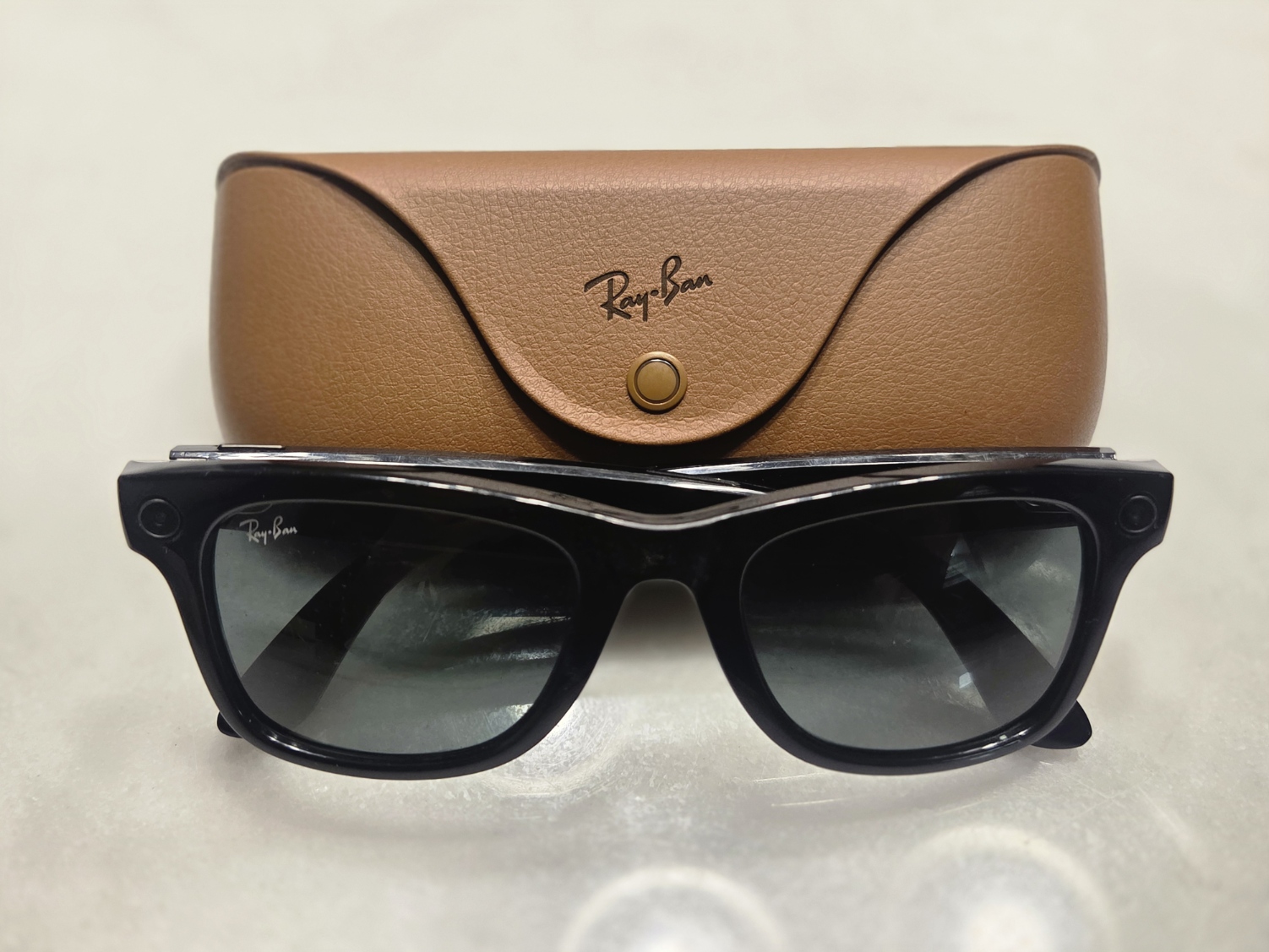
Once the indicator stops being reliable, a policy built on trust stops working. A phone held up in a dark room is visible to everyone around it. A pair of sunglasses is not.
The club behind the policy
Basement opened in 2019 in the basement of the Knockdown Center, a 1903 glass factory in Maspeth, Queens that has hosted art and music programming since 2013. The club runs a European style door, a dark room and a reputation built largely on what does not happen inside it. Its house rules already banned phone use on the dancefloor, glowing or flashing clothing, and balaclava masks.

That rulebook is not exclusivity for its own sake. Rooms that can guarantee nobody is filming attract the people who need that guarantee: queer crowds, dancers who move differently when they are not being watched, anyone whose employer or family is not on the guest list. Lose the guarantee and the room loses its character. Which is why a consumer gadget got treated as a threat to the venue rather than an etiquette question.
Basement is not the only venue drawing this line
The ban lands inside a wider push. Other New York clubs including Nowadays, Green Room and Signal all operate strict no photo policies. In August, the London queer festival Body Movements set out its own position on wearables, calling them “the antithesis of our brand values” and stating that the event “is not a place for surveillance culture, non-consensual filming or exploitation”.
What separates Basement’s move is how explicit it is. Plenty of venues would refuse entry to someone in smart glasses on vibe alone. Naming the device category in writing and attaching a permanent ban to it converts an unwritten preference into published policy that door staff can actually enforce. It also arrives at a moment when club operators have little margin for error, with rooms across Europe closing for good, among them Frankfurt’s long running Omen.

Meta’s numbers, and why clubs are reacting now
Timing explains most of this. Meta accounted for roughly 84 percent of global smart glasses shipments in the first half of 2026, according to Counterpoint Research, and the company has spent heavily to move the category from novelty to normal. In February, the New York Times reported Meta’s plans to add AI facial recognition to the glasses, a step that would let a wearer look at a stranger and pull up a name.

Meta has made some effort to close the gap, saying it will disable the camera when a user conceals the recording light and removing harassment videos filmed on the devices from Instagram. Niels Provos, an electronic music producer who spent 15 years as a Distinguished Engineer on security at Google and more than three years as head of security at Stripe, was blunt about the options left to anyone on the other side of the lens. “Practically speaking, there is not much individuals can do,” he told EDM.com in March.
That is the gap venues are filling. If the device will not reliably announce itself and the platform cannot police its users in real time, the only enforcement point left is the door.
How the crowd took it
Reaction to the post ran heavily in the club’s favour. Commenters quoted by Futurism treated it as overdue, one writing “This should be policy at every club” and another rewriting the venue’s name as “BASEDment”. The response tracks a broader mood around the hardware, which has picked up a reputation problem that celebrity ad campaigns have not shifted.
It also sits alongside a separate trend of newer venues going phone free entirely, from London club nights to rooms in Washington DC. Those policies are usually framed around presence and attention. Basement’s is framed around consent.
What happens next
Enforcement is the open question. Basement has not said how door staff will identify glasses that look identical to ordinary frames, and no appeals process for a permanent ban has been published. Neither Meta nor the Knockdown Center has commented publicly on the policy.
The more interesting test is whether other rooms follow with written rules rather than informal ones. Dance music has spent the past two years arguing about where technology stops being a tool, from generative software on release pages to disclosure labels on streaming platforms. This is the same argument moved onto the dancefloor, where the stakes are not credit or royalties but whether the person beside you is filming.
Smart glasses nightclub ban FAQ
Which club banned smart glasses?
Basement, the techno club underneath the Knockdown Center in Maspeth, Queens, New York. It announced the policy on Instagram on 27 August 2026.
Does the smart glasses nightclub ban apply if you are not wearing them?
Yes. Basement said anyone bringing smart glasses into the venue, whether wearing them or carrying them in a bag, will be asked to leave and may be permanently banned.
Why are nightclubs worried about smart glasses specifically?
The devices record without the obvious gesture of raising a phone, and the LED indicator meant to signal recording can be covered or disabled. That makes a no filming policy difficult to enforce by observation alone.
Are phones allowed at Basement?
Phones may be brought in, but the club’s house rules ban phone use on the dancefloor as part of a long standing no photo and no video policy that also covers glowing or flashing clothing and balaclava masks.
Have other venues banned smart glasses?
The London queer festival Body Movements published a ban in August 2026. Several New York clubs including Nowadays, Green Room and Signal enforce strict no photo policies, though Basement is among the first major American venues to name smart glasses explicitly in writing.
Sources: Mixmag, EDM.com, Futurism, PetaPixel and We Rave You. Featured image: Basement, via Futurism.