
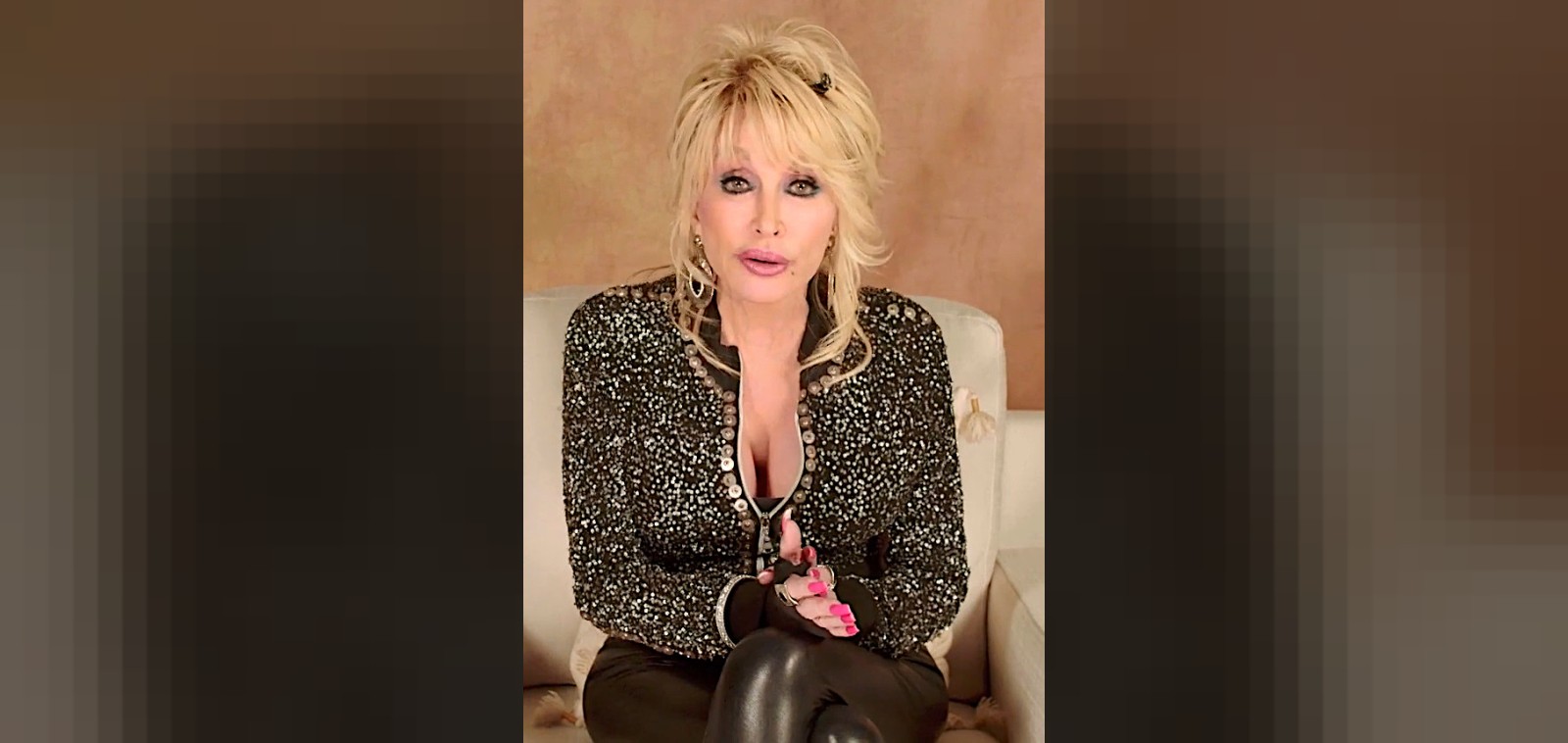
Dolly Parton dance music was never a novelty detour. It was a habit she kept for four decades, and it ended on Tuesday. The country songwriter died in Nashville on 25 August 2026 at the age of 80. Her nephew announced the news in a video posted to her Instagram account, and a statement from her team confirmed she had died following a brief battle with cancer. Within hours, the tributes arriving from producers, DJs and club promoters made clear something the country obituaries mostly skipped past: Parton spent forty years on the dancefloor, and the dancefloor kept playing her back.
She was born in Pittman Center, Tennessee in 1946 and built a catalogue reported at roughly 3,000 songs across 49 albums, along with 11 Grammy Awards. What matters here is the narrower record. Parton charted on Billboard’s disco chart in 1979, reached number one on a Billboard dance chart forty years later, and spent the decades in between supplying club producers with some of the most heavily reworked source material in popular music.
Producers and DJs paid tribute within hours
Galantis, the Swedish duo who recorded with Parton in 2019, posted on Instagram that no one had inspired them more, in music or in life, and thanked her for “the song we left behind.”
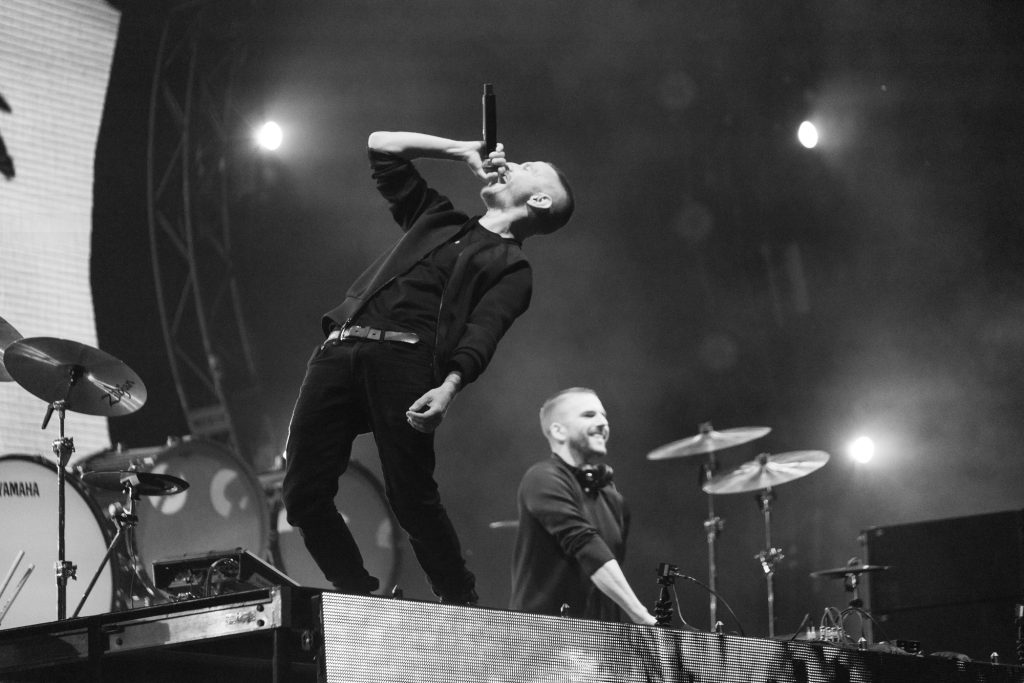
Welsh producer Kelly Lee Owens wrote on X that Parton was a “class act” who “paved the way for female songwriters everywhere.” Producer Suzi Analogue posted: “I would like to cancel the rest of today on behalf of Dolly.” Glasgow institution Optimo called her the “Undisputed Queen of Country.” House vocalist Ultra Naté shared a montage of Parton quotes captioned “Always ICONIC.”
Disco royalty followed. Nile Rodgers described her as one of the kindest and most talented people he had known. Chaka Khan called her a “once in a lifetime artist” and said her light would keep shining. Eurythmics co founder Dave Stewart posted a photograph of a handwritten letter Parton sent him after they performed together.
The Dolly Parton dance music story starts at Studio 54
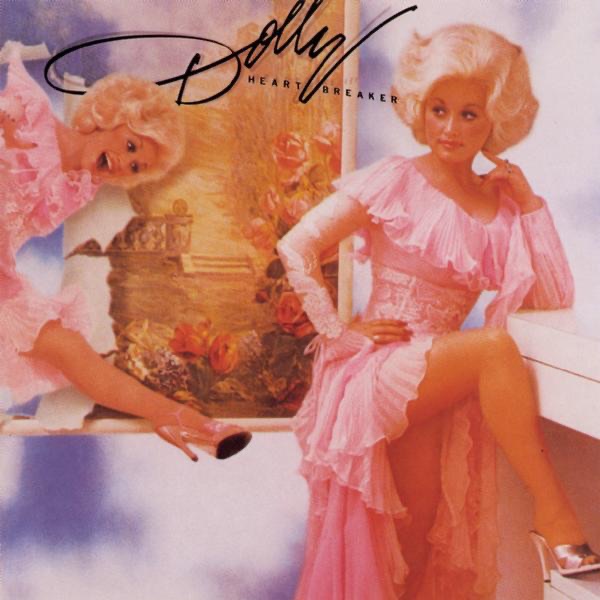
The first crossover came out of a New York nightclub. Parton wrote “Baby I’m Burnin’” after several nights at Studio 54, and the track landed on her 1978 album Heartbreaker before going out that November as a double A side single with “I Really Got the Feeling.” An official disco version followed, the first of her records to get a formal club remix, and it climbed to number 15 on Billboard’s Dance Club Songs chart in early 1979.
That was not a one off. “Peace Train” picked up dance remixes later, and by the 2010s her back catalogue had become standard raw material for edit culture. The pattern is familiar to anyone who has traced the tracks that changed house music forever: a vocal with enough character to survive being cut apart, sitting over a tempo a DJ can bend.
Jolene became club currency
No song in her catalogue has been reworked more. Norwegian producer Todd Terje built a long, disco leaning version of “Jolene” that circulated widely on club systems. His countryman Kygo turned it into a Balearic edit. Destructo, the Los Angeles producer and HARD Events founder Gary Richards, gave it a four to the floor house treatment, looping the first syllable of the title into a hook and dropping clubby bass underneath it. Rolling Stone covered that version on release, and EDM.com reported at the time that Parton had named it her new favourite remix of the song.
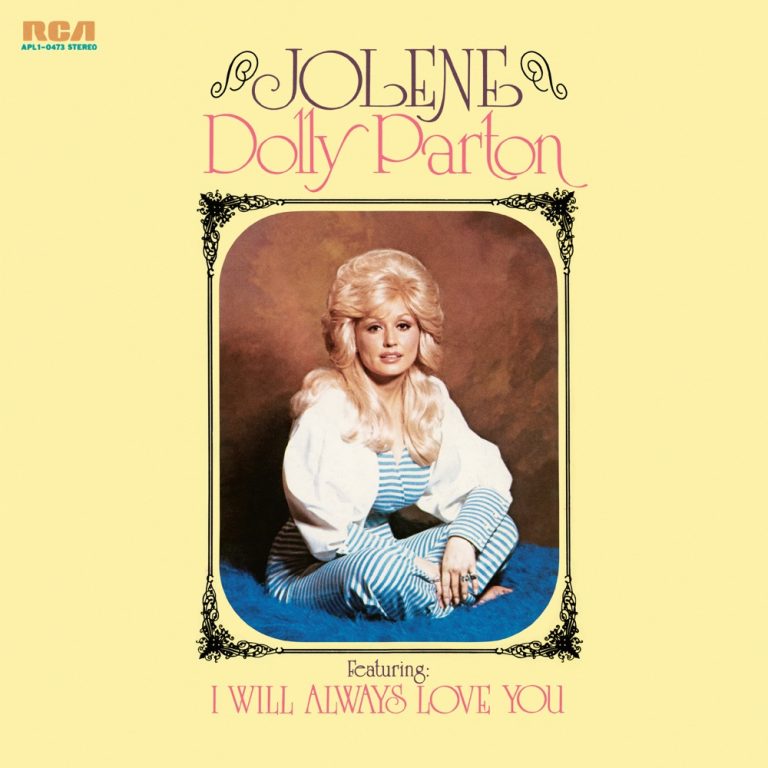
Her other standards travelled too. On the 2003 mix album As Heard on Radio Soulwax Pt. 2, 2 Many DJs ran “9 to 5” against Destiny’s Child’s “Independent Women” and Röyksopp’s “Eple”, a mashup that introduced Parton to a generation of European club audiences who had never bought a country record.
Faith gave her a first number one on a dance chart
In October 2019, Galantis released “Faith”, a remake of John Hiatt’s 1987 song “Have a Little Faith in Me”, featuring Parton and Dutch singer Mr. Probz. It arrived through Big Beat and Atlantic on 25 October and later appeared on the duo’s third album, Church.
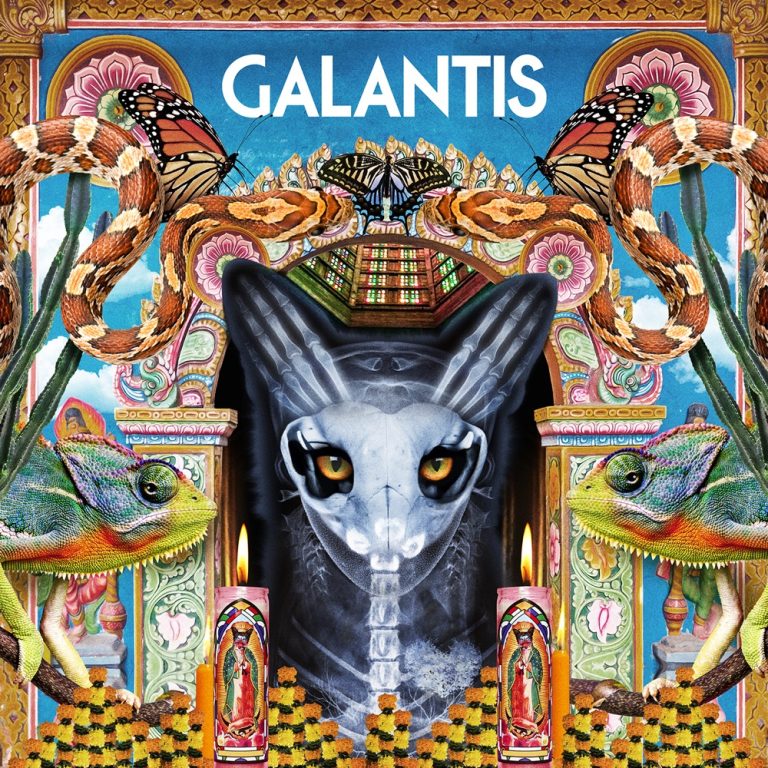
Galantis expected a refusal. Linus Eklöw told Rolling Stone that Parton had always been a dream collaborator and that landing her felt like “a total longshot.” She said yes, and Christian Karlsson flew to Nashville to record her vocals. Parton later said she rewrote parts of the lyric to suit herself, and told the same magazine she would be open to making more dance music.
The numbers backed her up. According to Nielsen Music, “Faith” moved 4,000 downloads and 1.8 million US streams in its first week, entering Billboard’s Dance/Electronic Digital Songs chart at number one, a first for Parton. It went on to top Dance/Mix Show Airplay in the chart dated 21 December 2019, her first number one on any Billboard dance ranking. She was 73.
Why the crossover mattered
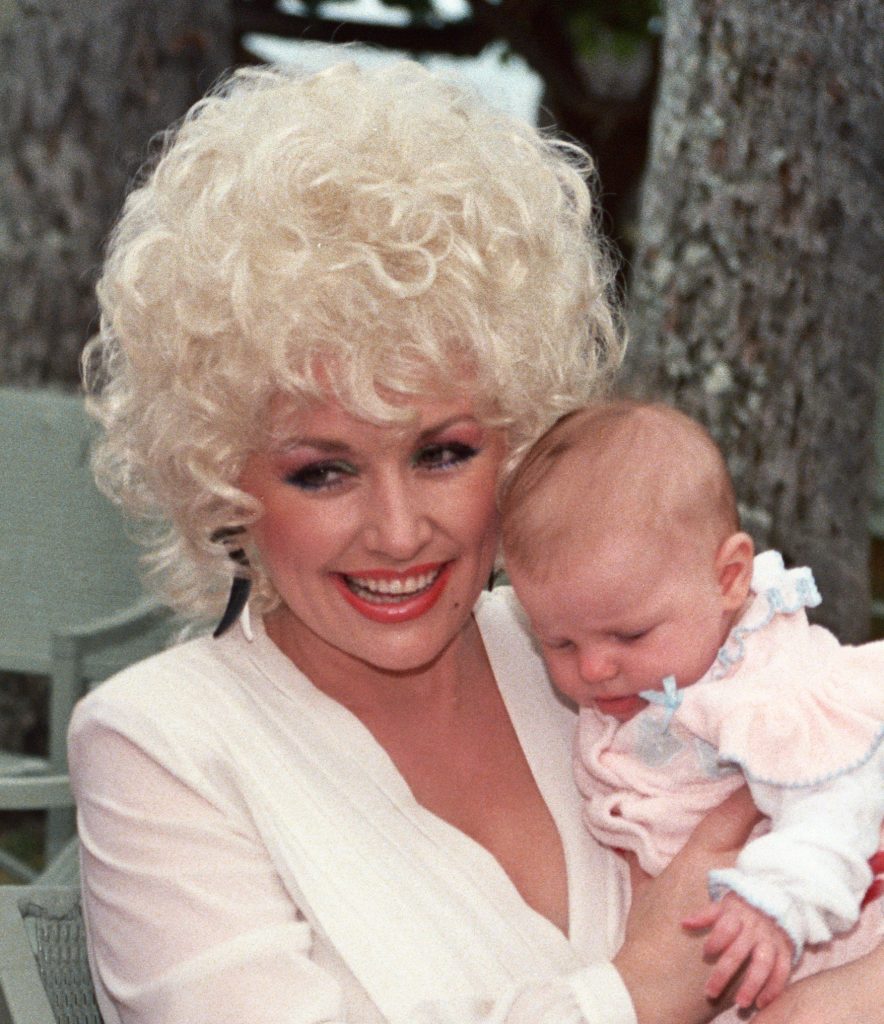
Country and dance music have circled each other for years, and most of the recent traffic has run in one direction, with dance producers borrowing country signifiers for streaming reach. Parton did the opposite, and she did it first. She went to the club on the club’s terms and let producers rebuild her records without asking anyone to soften the result.
For the industry the practical legacy is a template. A 73 year old country songwriter topped a Billboard dance chart because a Swedish production duo made a genuine record with her rather than pasting a vocal onto a finished track. That is the harder path, and it is the one that worked.
What happens next
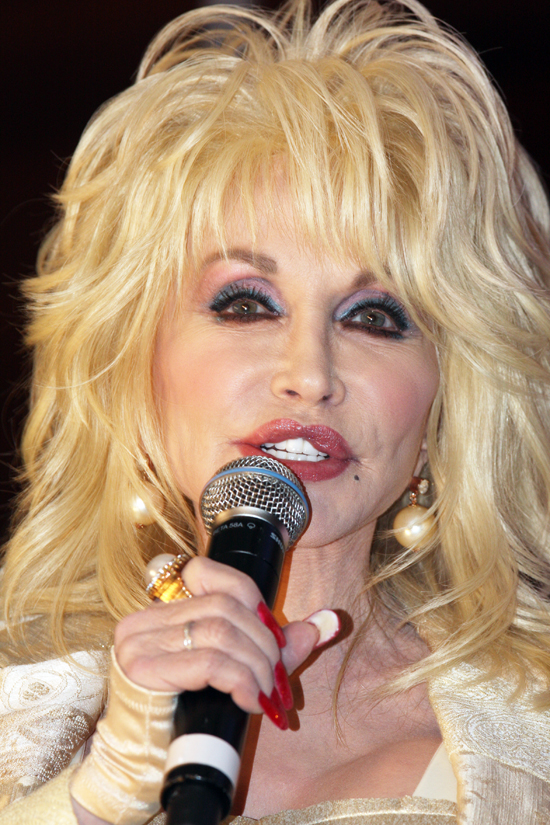
Parton’s estate has not published details of a public memorial, and no official statement has addressed a tribute release or catalogue campaign. Fans moved faster. Dan Electro’s in Houston held a free Dolly Parton night on Wednesday 26 August, one of a number of informal gatherings organised across the United States within a day of the announcement.
Expect her records to surface in DJ sets this weekend, particularly at the disco and edit end of the spectrum where “Jolene” and “9 to 5” have been dependable for twenty years. Whether any of the producers who reworked her catalogue put out official versions is an open question. Most of the best known Parton edits have always lived outside formal clearance.
Dolly Parton dance music FAQ
When did Dolly Parton die?
She died on 25 August 2026 in Nashville, Tennessee, at the age of 80. Her nephew announced the news in a video posted to her Instagram account, and a statement from her team confirmed she had died following a brief battle with cancer.
Did Dolly Parton ever have a number one dance hit?
Yes. “Faith”, her 2019 collaboration with Galantis and Mr. Probz, entered Billboard’s Dance/Electronic Digital Songs chart at number one and later topped Dance/Mix Show Airplay in the issue dated 21 December 2019. Both were firsts for her.
What was Dolly Parton’s first dance record?
“Baby I’m Burnin’”, written after nights at Studio 54 and released on the 1978 album Heartbreaker. The official disco version reached number 15 on Billboard’s Dance Club Songs chart in early 1979.
Which DJs have remixed Jolene?
Todd Terje, Kygo and Destructo all put out widely circulated versions. 2 Many DJs also mixed “9 to 5” with Destiny’s Child and Röyksopp on As Heard on Radio Soulwax Pt. 2.
Which electronic artists paid tribute to Dolly Parton?
Galantis, Kelly Lee Owens, Suzi Analogue, Optimo, Ultra Naté, Nile Rodgers, Chaka Khan and Dave Stewart were among those who posted publicly in the 24 hours after her death was confirmed.
Parton spent a career refusing to treat genre as a border, which is why a country songwriter from the Smoky Mountains ended up with a Billboard dance number one at 73 and a permanent place in the edit boxes of DJs who have never played a country record in their lives. We wrote earlier this year about the death of Kavinsky, a loss that came from inside the genre. This one arrived from outside it and landed just as hard.
Sources: DJ Mag, NPR, Rolling Stone, Variety, Billboard, Mixmag and CW39.