

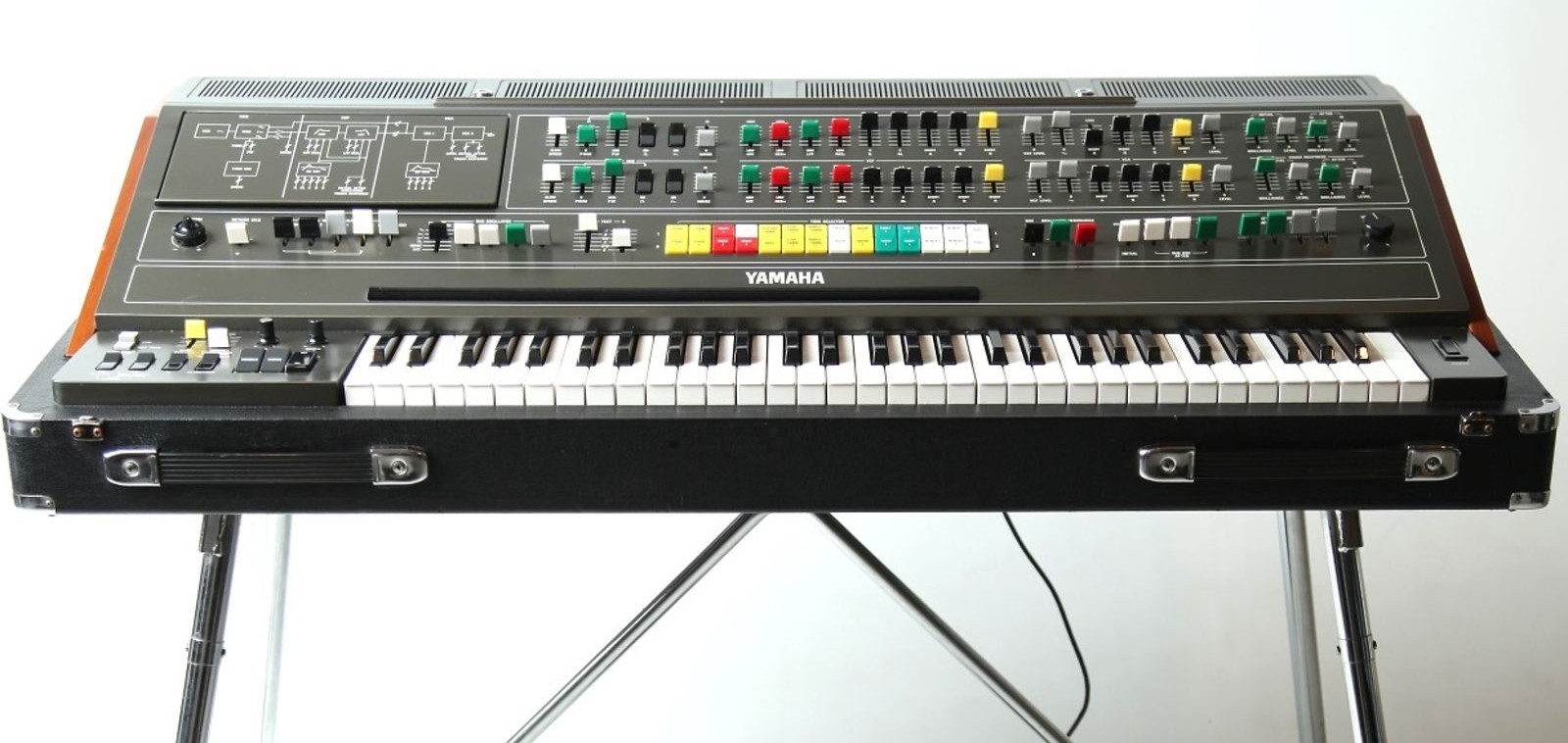
A vintage Yamaha CS-80 has become the most expensive synthesizer ever sold, changing hands on the gear marketplace Reverb for £401,465.62, roughly $534,000. The listing came from an Athens based seller who claimed the instrument was Vangelis’ very first CS-80, the one heard on his 1977 album Spiral. No documentation was attached. Somebody bought it anyway.
What actually sold
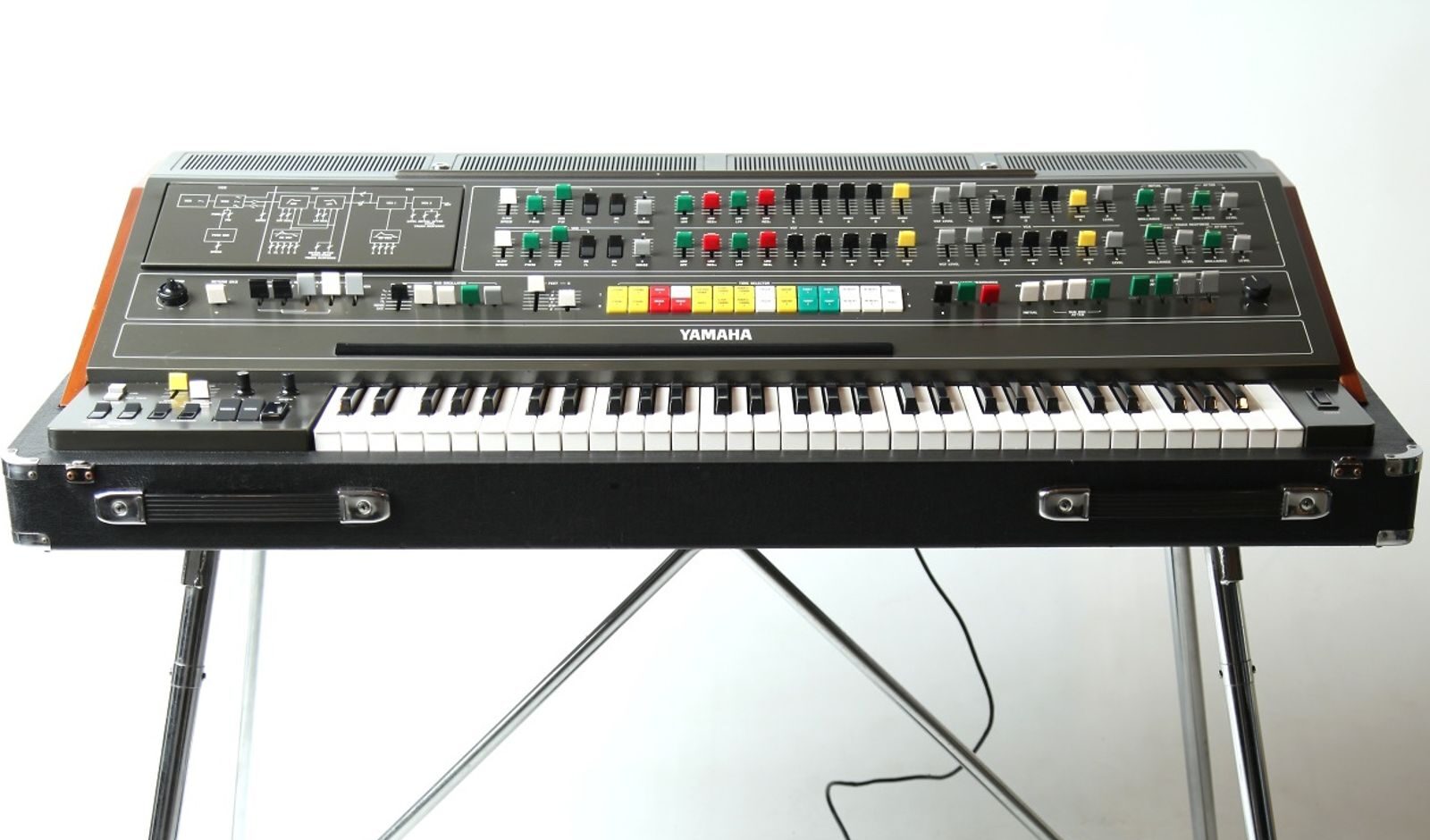
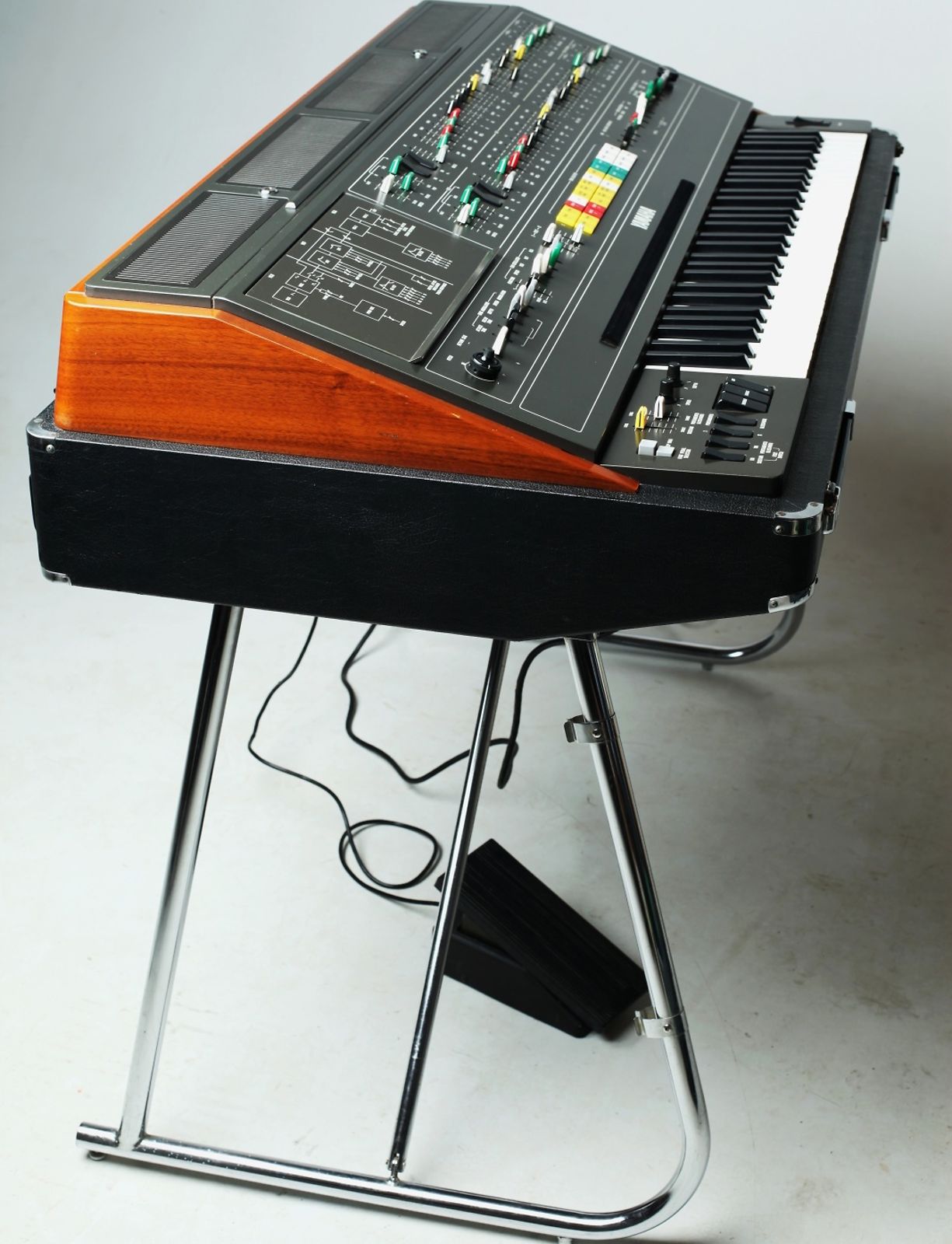
The seller, trading as Synthesizerman, described the keyboard as fully functional, complete with its original stand and lid, and in excellent condition apart from a single cosmetic flaw: a cigarette burn on the top A key. The unit carried no serial number, which the seller attributed to it being an early prototype.
The wording of the listing did most of the marketing. “This is Vangelis’ very first Yamaha CS-80,” it read. “This is the real deal. Early prototype no serial number. It can demolish a whole block of flats. This is the ‘Spiral’ CS-80, historic. Priced accordingly.”
MusicRadar, which covered the listing when it first appeared in late July, noted that the £400,000 figure already included a 10 percent discount. The instrument sat on Reverb for a matter of days before it was gone.
The provenance problem behind the most expensive synthesizer ever sold
Here is the part that should give any collector pause. The link to Vangelis rests entirely on the seller’s word. There is no certificate, no studio inventory, no signed letter, no photograph of the composer at that specific instrument. What the listing offers instead is circumstantial: the seller is based in Athens, Vangelis was Greek, and the composer was a well documented smoker, which makes a burn mark on a key at least narratively convenient.
That is thin evidence for a half million dollar purchase. It is also worth noting that Vangelis owned and recorded with multiple CS-80 units over his career, so even if this one passed through his studio during the Spiral sessions, it does not automatically follow that it is the machine on Blade Runner or Chariots of Fire.
MusicRadar flagged the obvious structural issue before the sale went through: the synth was listed casually on a marketplace rather than run through an auction house with independent authentication, which normally suppresses bids at this level. It did not. The buyer has not been identified publicly.
Why Vangelis and the CS-80 are inseparable

Vangelis, who died in 2022, is the artist most closely bound to the CS-80 in the public imagination. He first used it on Spiral in 1977 and then carried it through Opera Sauvage, Chariots of Fire and the Blade Runner score, where its polyphonic aftertouch and ribbon pitch bend produced the smeared, weightless tone that defines Ridley Scott’s 1982 film.
He was direct about how much it mattered to him. In a 1984 interview with Electronics & Music Maker, he called the CS-80 “the most important synthesiser in my career” and “the best analogue synthesiser design there has ever been,” adding that “it needs a lot of practice if you want to be able to play it properly.” In the same conversation he dismissed Yamaha’s FM flagship, the DX7, as a “commercial little toy” and a step backwards.
What makes a CS-80 worth this much in the first place
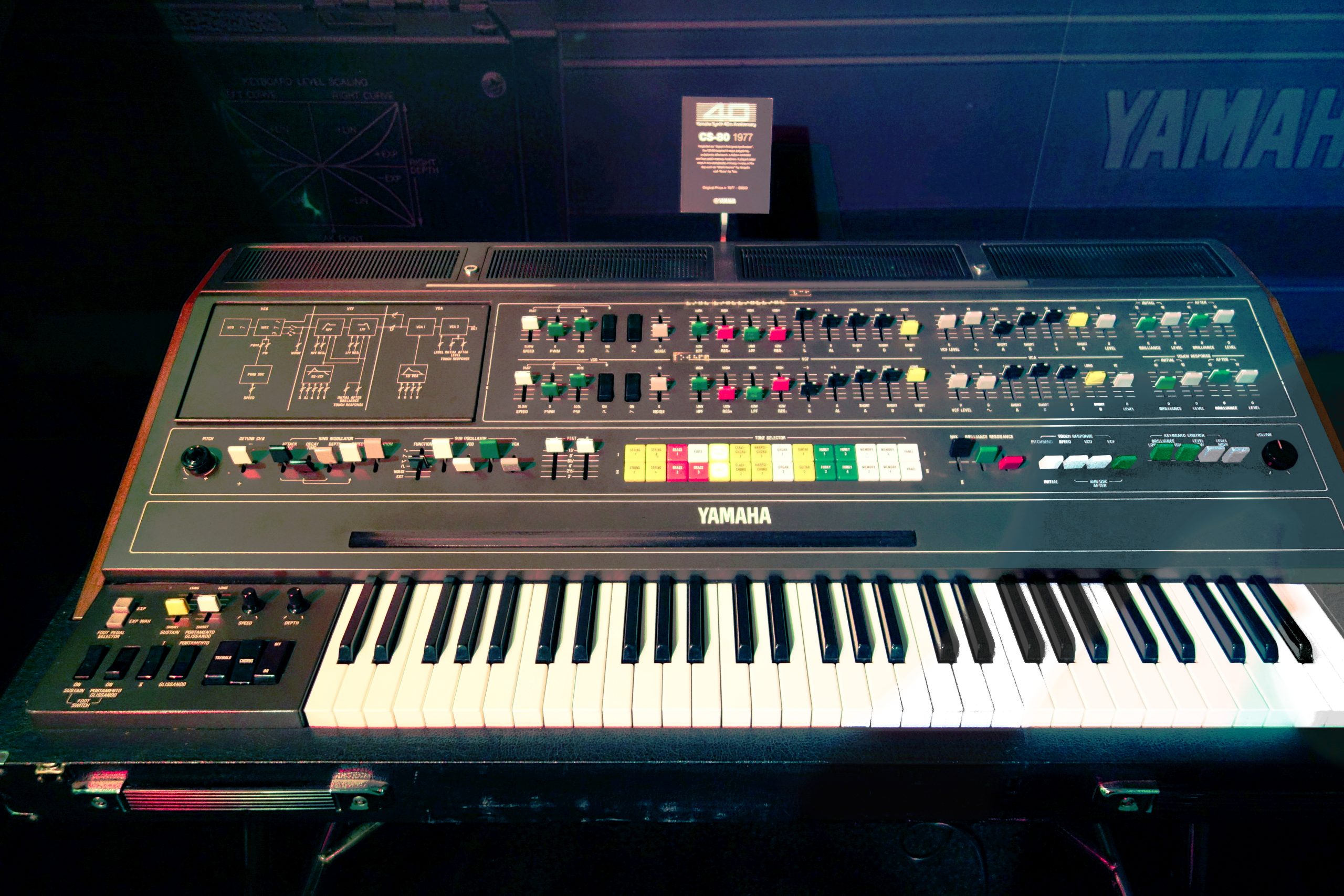
Released in 1977, the CS-80 was one of the first genuinely integrated polyphonic analogue synthesizers and one of the earliest commercial instruments with preset memory. It offers eight voices, two full analogue layers per voice, weighted keys and, crucially, polyphonic aftertouch, meaning every key responds independently to pressure. Very few instruments built since do that.
The catch is physical. A CS-80 weighs around 100 kilograms, runs hot, drifts out of tune and is packed with boards that almost nobody is qualified to service. Working examples routinely trade in the tens of thousands of dollars. That baseline is what a claimed Vangelis provenance was multiplied against.
The record it broke, with one caveat
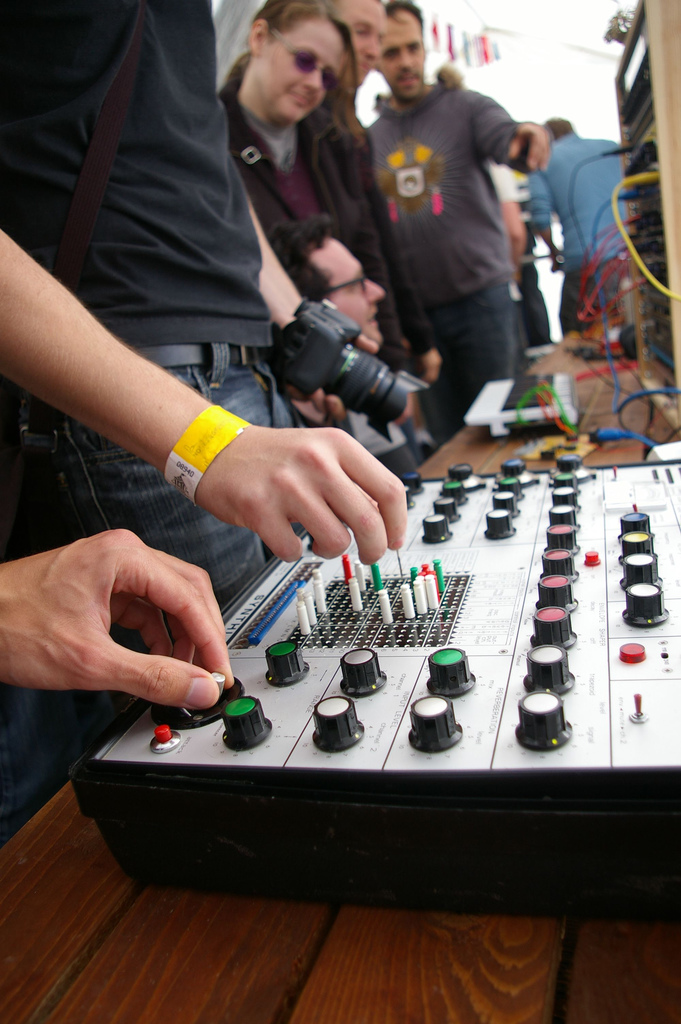
The previous benchmark cited for a synthesizer sale belonged to the estate of Kraftwerk co-founder Florian Schneider, whose EMS Synthi A went for $115,200 at Julien’s Auctions last November. The CS-80 cleared that by more than four times.
There is a discrepancy worth naming. Coverage of the same Schneider auction points out that his Sennheiser VSM-201 vocoder from the Kling Klang studio sold for $256,000, more than double the Synthi A. Whether that counts as the standing record depends on whether a vocoder is classed as a synthesizer, which is why the “most expensive synthesizer ever sold” label is cleanest when applied to keyboard instruments. Either way, £401,465.62 sits well above both figures.
What this says about the vintage gear market
Two things are happening at once. Analogue instruments from the 1970s are being priced as cultural artefacts rather than as tools, in the same way that a first pressing or a stage worn jacket gets priced. And the market is now willing to pay artefact money on an unverified story, which is a meaningful shift.
For producers, the practical takeaway is unchanged. Nobody is buying a CS-80 to make a record in 2026 when Arturia, Cherry Audio and Deckard’s Dream all model the instrument, and Behringer has been rumoured to be working on a hardware clone. What sold here was not a sound source. It was a claim about who touched it.
Related reading on the site: our piece on Kavinsky, the producer who gave electronic music Nightcall, and the story behind Daft Punk before the helmets. The original listing is archived on Reverb.
What happens next
The buyer is anonymous and there is no indication of whether the instrument goes into a private collection, a studio or a museum. Unless somebody produces paperwork, or Vangelis’ estate weighs in, the provenance stays exactly where it is: a claim in a marketplace listing that somebody found convincing enough to act on. Reverb has not commented on the sale.
FAQ
What is the most expensive synthesizer ever sold?
A Yamaha CS-80 claimed to have belonged to Vangelis, which sold on Reverb for £401,465.62, around $534,000, in a listing reported on August 6, 2026.
Was it really Vangelis’ synthesizer?
That is unconfirmed. The Athens based seller stated it was his first CS-80 and the one used on Spiral, but provided no documentation. The claim has not been independently verified.
What was the previous record?
The EMS Synthi A from Florian Schneider’s estate, which sold for $115,200 at Julien’s Auctions in November. A Sennheiser VSM-201 vocoder from the same collection fetched $256,000, though a vocoder is not usually classed as a synthesizer.
Why is the Yamaha CS-80 so sought after?
It was one of the first fully integrated polyphonic analogue synthesizers, it has polyphonic aftertouch and a ribbon controller, and it is the instrument behind the Blade Runner score. Fewer than 3,000 are believed to have been built.
How much does a normal CS-80 cost?
A serviced, working example generally trades in the tens of thousands of dollars, which makes this sale an outlier driven entirely by the claimed provenance.
Sources: EDM.com, MusicRadar, MusicTech and the original Reverb listing.