
London’s most decorated nightclub has just booked one of the most protected rooms in Britain. fabric will act as St Paul’s Cathedral’s exclusive partner for contemporary music events from 2026 through to 2030, with the first show set for Thursday, October 29. Within days, the fabric St Paul’s Cathedral deal had picked up something the Farringdon venue knows well: a public argument about whether it should be allowed to happen at all.
What the fabric St Paul’s Cathedral deal actually covers
The announcement went out on September 1, and by the end of the week it had escaped the dance music press entirely, running in national newspapers, art publications and Christian media.
The agreement runs for four years, to 2030, and hands the club responsibility for programming what both sides describe as events exploring the relationship between contemporary music and the building. According to fabric’s own announcement, the shows will draw on a broad range of artists from across the contemporary music landscape, and each performance will be built for the room. The club says the acoustics, architecture and unique atmosphere of the cathedral will form an important part of every set.
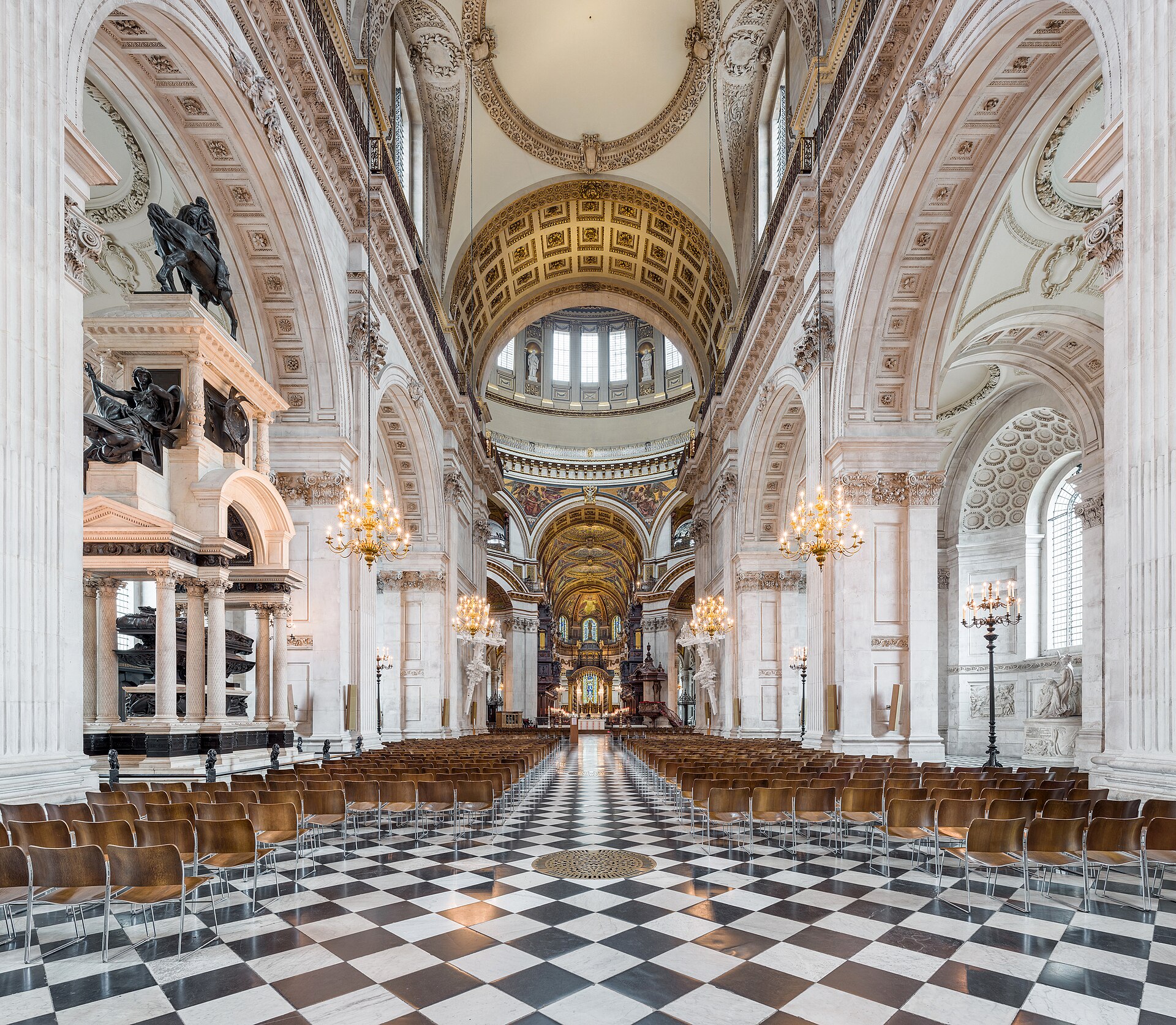
Two details matter for anyone picturing a soundsystem in the aisles. The events are seated, and audiences are expected to stay seated throughout. They take place in the main body of the cathedral beneath the dome, not in the crypt.
The first date is October 29. No artist has been announced, and a presale signup is already open.
“fabric has always been about bringing people together through music and creating experiences that stay with people,” said Cameron Leslie, who founded the club with Keith Reilly. “The opportunity to do that at St Paul’s Cathedral over the next four years is incredibly exciting for us. It’s an extraordinary and unexpected coming together of two very different parts of London, and we’re looking forward to building on the success of the events we’ve already held and creating something genuinely special and befitting of this incredible space.”
This is not fabric’s first night in the cathedral
The partnership formalises a relationship that already existed. fabric brought RY X to St Paul’s, then returned with Patti Smith, marking the first times the club had staged live contemporary music inside one of London’s most recognisable buildings.
There is a discrepancy worth flagging on the dates. fabric, Mixmag and NME all place those two concerts in 2024 and 2025. IBTimes UK puts them a year earlier, in 2023 and 2024. Neither the cathedral nor the club has published a correction, so treat the exact years as unsettled. What every account agrees on is that both shows happened, and that they are the reason this longer agreement exists.
“Both events showed us what can happen when contemporary music is placed within a space with such a deep sense of history, architecture and atmosphere,” fabric wrote.
The Nelson objection
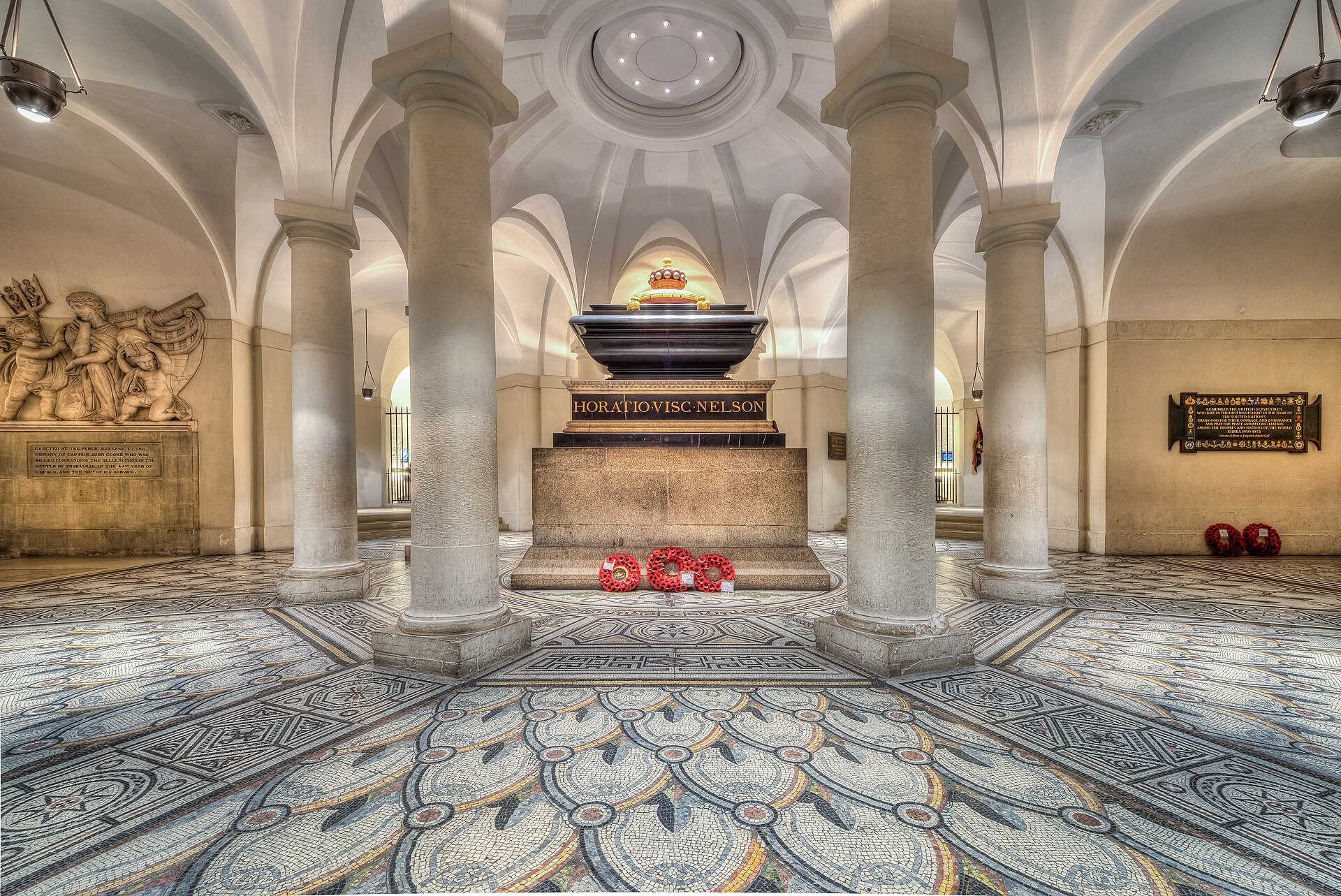
The loudest criticism has come from the Nelson Society. Peregrine Hood, the society’s president and a descendant of Nelson’s brother, told The Telegraph that the plan amounts to dancing on the admiral’s grave.
“This extends far beyond Nelson,” Hood said. “St Paul’s is one of the great sacred spaces of Christianity and a place of enormous significance to our national life and history.”
He went further. “Nelson came from a family steeped in the Church, and perhaps it is this misuse of a holy site that would have caused him even greater unease than the prospect of dancing on his grave,” he said, before delivering the line that became the story’s headline almost everywhere: “Is nothing sacred any more? What a sad reflection on where spiritual integrity and Christianity are today. St Paul’s Cathedral positioning itself in this way is deeply depressing.”
Andy Smith, the society’s press officer, called St Paul’s the premier cathedral of the land, described the prospect of concerts there as deeply offensive to Christians, and framed the arrangement as a profound insult to Nelson and to the other national figures buried or memorialised in the building.
Nelson’s black marble sarcophagus, originally carved for Cardinal Wolsey, sits in the crypt directly beneath the dome. fabric’s events are not staged there. It is also worth noting that the cathedral already hires out the Nelson Chamber, a space with a capacity of 250, for private functions including drinks receptions, and advertises it on its own website.
How St Paul’s answered
Cathedral officials have defended the programme as a curated concert series rather than a club night. Sandra Lynes Timbrell, director of visitor engagement, said the aim is to help people discover and engage with this historic building in new and exciting ways, and that a carefully curated programme of exceptional concerts should bring in visitors who would otherwise never walk through the doors.
The Church of England has fielded this argument before. Events at other cathedrals were labelled “rave in the nave” by critics, a description the cathedrals rejected. A 2024 petition opposed silent discos at Canterbury Cathedral, with organiser Cajetan Skowronski arguing that such nights would not bring young people closer to Christ and risked suggesting that entertainment deserves more attention than God.
Jacob Phillips, a professor of systematic theology at St Mary’s University in Twickenham who was part of the rave scene in the late 1980s and 1990s, made a subtler version of the case in The Telegraph. He warned that cathedrals risk becoming playgrounds for ravers now well into middle age, and argued that communities built on commitment and self sacrifice offer a more durable sense of belonging than a dancefloor does.
Why fabric keeps ending up in this conversation
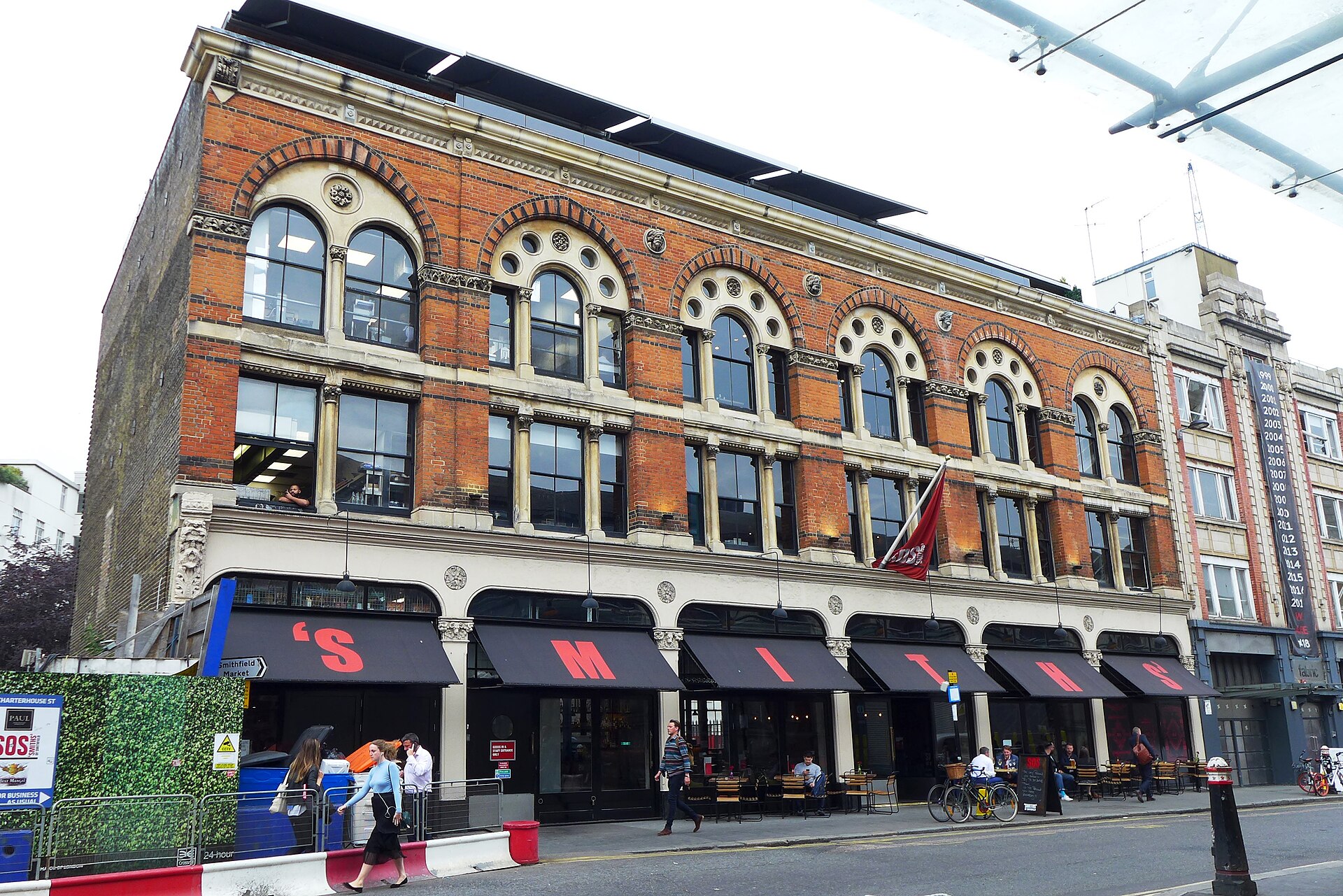
fabric has spent most of its life as a test case for what British nightlife is allowed to do. It opened on October 21, 1999, in a converted Victorian cold storage warehouse on Charterhouse Street, opposite Smithfield Market. It was voted the world’s number one club in DJ Mag’s Top 100 Clubs poll in 2007 and 2008.
In 2016, Islington Council revoked its licence after the deaths of two patrons, both aged 18, who had taken ecstasy following nights at the venue. The club reopened in January 2017 under tighter conditions, including a minimum age of 19 for main events and increased security.
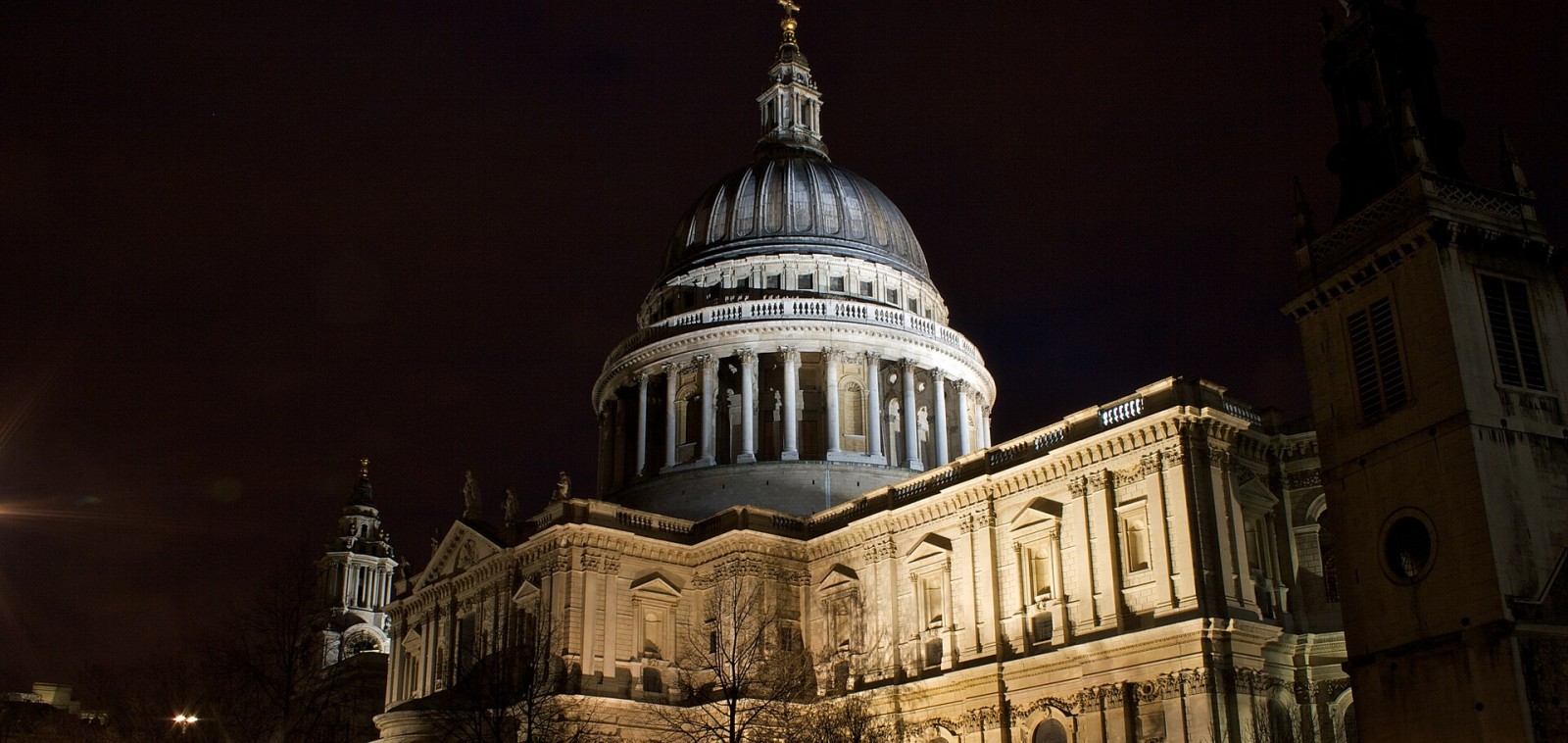
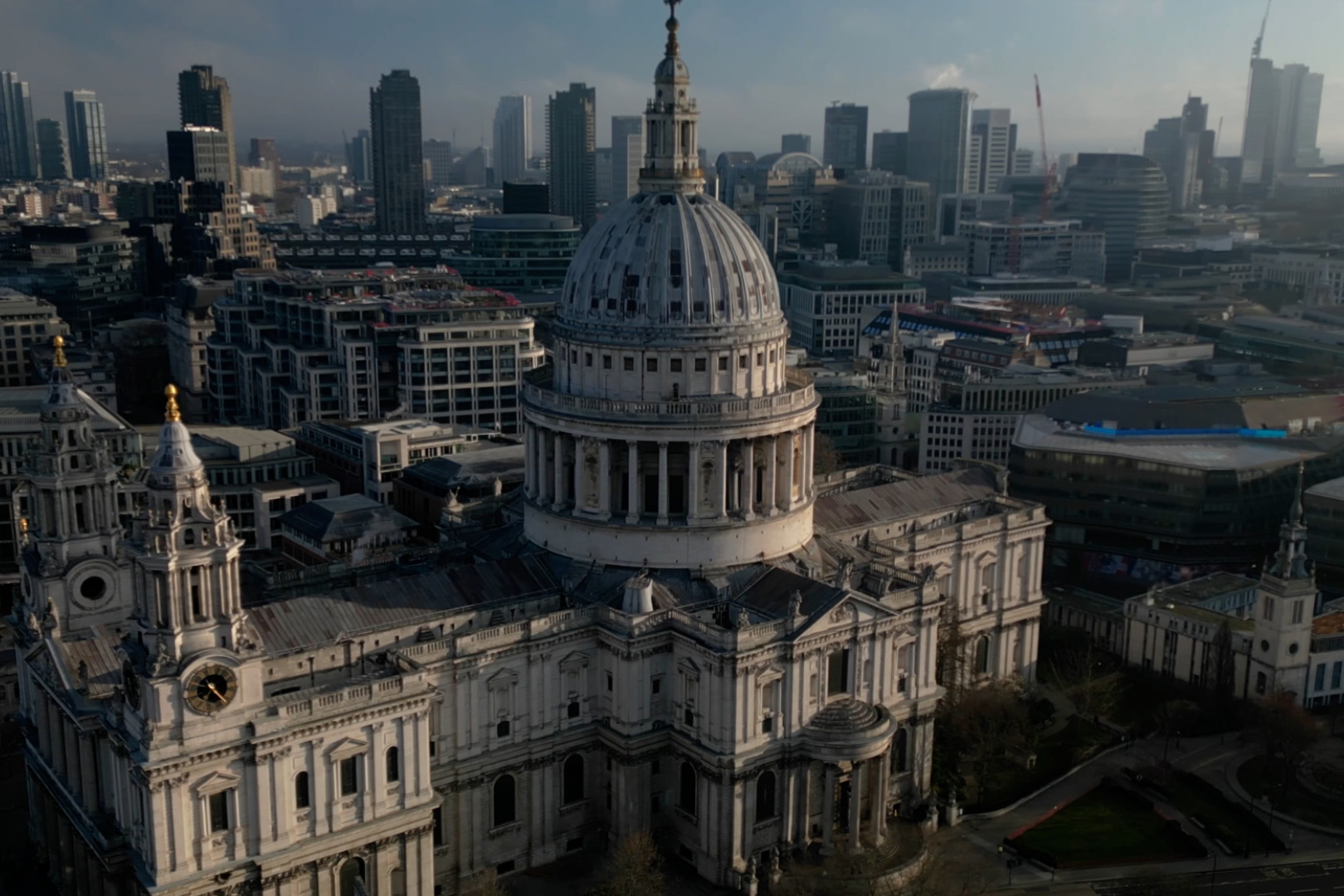
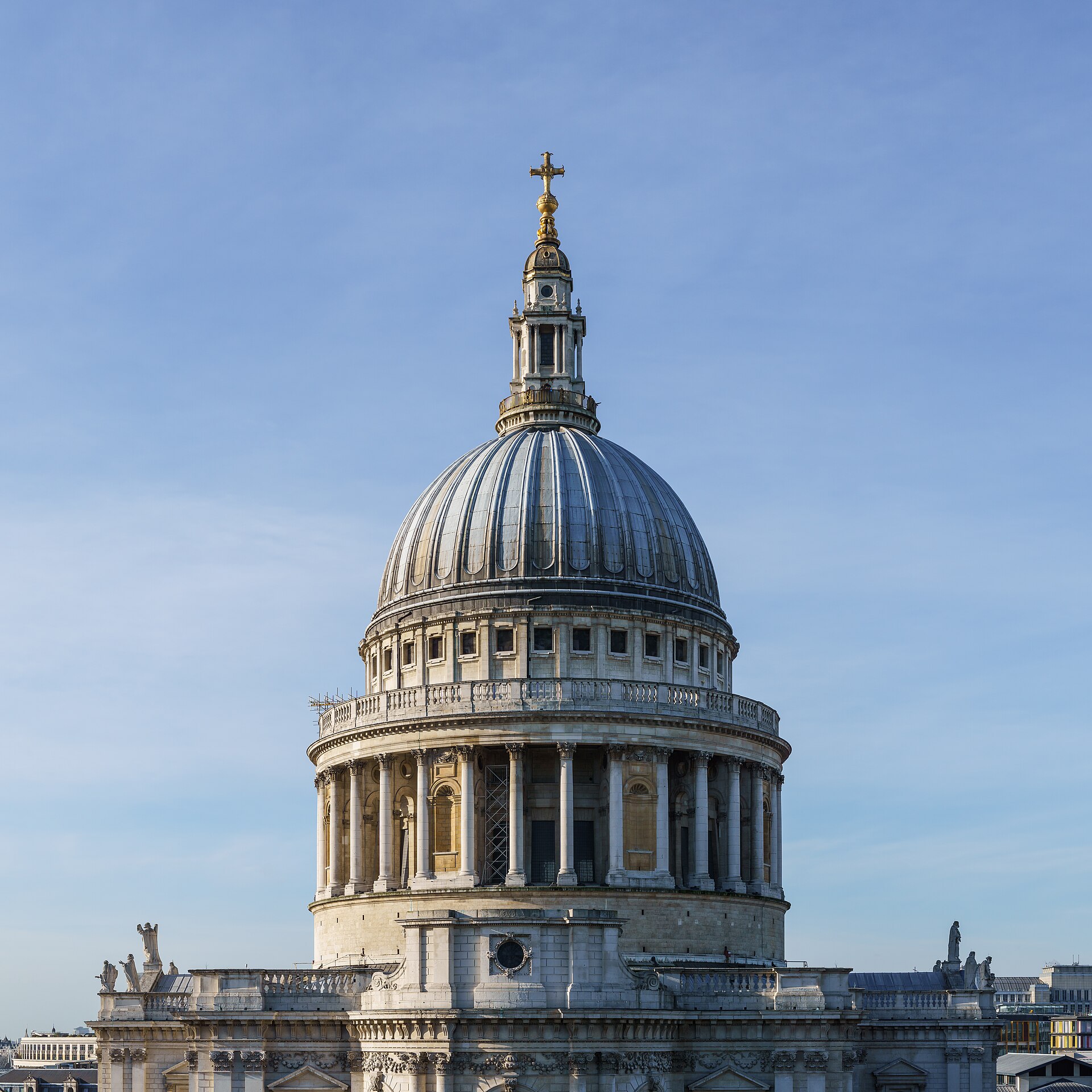
The cathedral is not an outlier for fabric either. The club has staged events at The Shard and at the British Museum in recent years. St Paul’s itself, designed by Christopher Wren and completed in 1710 after the Great Fire of London destroyed its predecessor, sits less than a mile from the club’s front door.
What it means for club culture
Heritage venues have become a reliable escape valve for clubs squeezed by rent, licensing costs and softer late night trade. For the cathedral the incentive runs the other way: contemporary music is one of the few dependable ways to get people under 40 inside a building most of them only ever photograph from the outside.
The friction will look familiar to anyone who followed the past month in electronic music. In Turkey, officials cancelled an Anyma show in Istanbul over claims about “satanic” visuals. In New York, Basement banned smart glasses to defend its no photo policy. Different disputes, same underlying question: who gets to decide what a room is for.
What happens next
The October 29 booking is the one to watch, because the lineup will tell everyone what this partnership actually is. A choral commission and a modular synth set are both defensible under the language in the announcement. A recognisable dance act performing in the nave would be a very different statement.
fabric has not said when the artist will be revealed. The presale list is open, and the agreement runs through 2030, which gives both institutions several years to settle the argument in public.
fabric St Paul’s Cathedral: your questions answered
When is the first fabric event at St Paul’s Cathedral?
Thursday, October 29, 2026. The performing artist has not been announced yet, and a presale signup is already live.
How long does the partnership run?
Four years. fabric is the cathedral’s exclusive partner for contemporary music events from 2026 through to 2030.
Will there be dancing inside the cathedral?
No. The cathedral says the events are seated and that audiences are expected to remain seated throughout.
Are the concerts held near Nelson’s tomb?
No. Performances take place in the main body of the cathedral beneath the dome. Nelson’s sarcophagus is in the crypt below, in a chamber the cathedral separately hires out for private receptions.
Has fabric programmed St Paul’s before?
Yes. RY X and Patti Smith both performed at the cathedral in earlier collaborations with the club, which is the precedent this longer agreement builds on.
The verdict
Two London institutions with very different constituencies have signed a deal that neither obviously needed, and both are now defending it in public. The arguments on either side are older than the club and older than most of the people who will buy tickets. The first real answer arrives on October 29.