
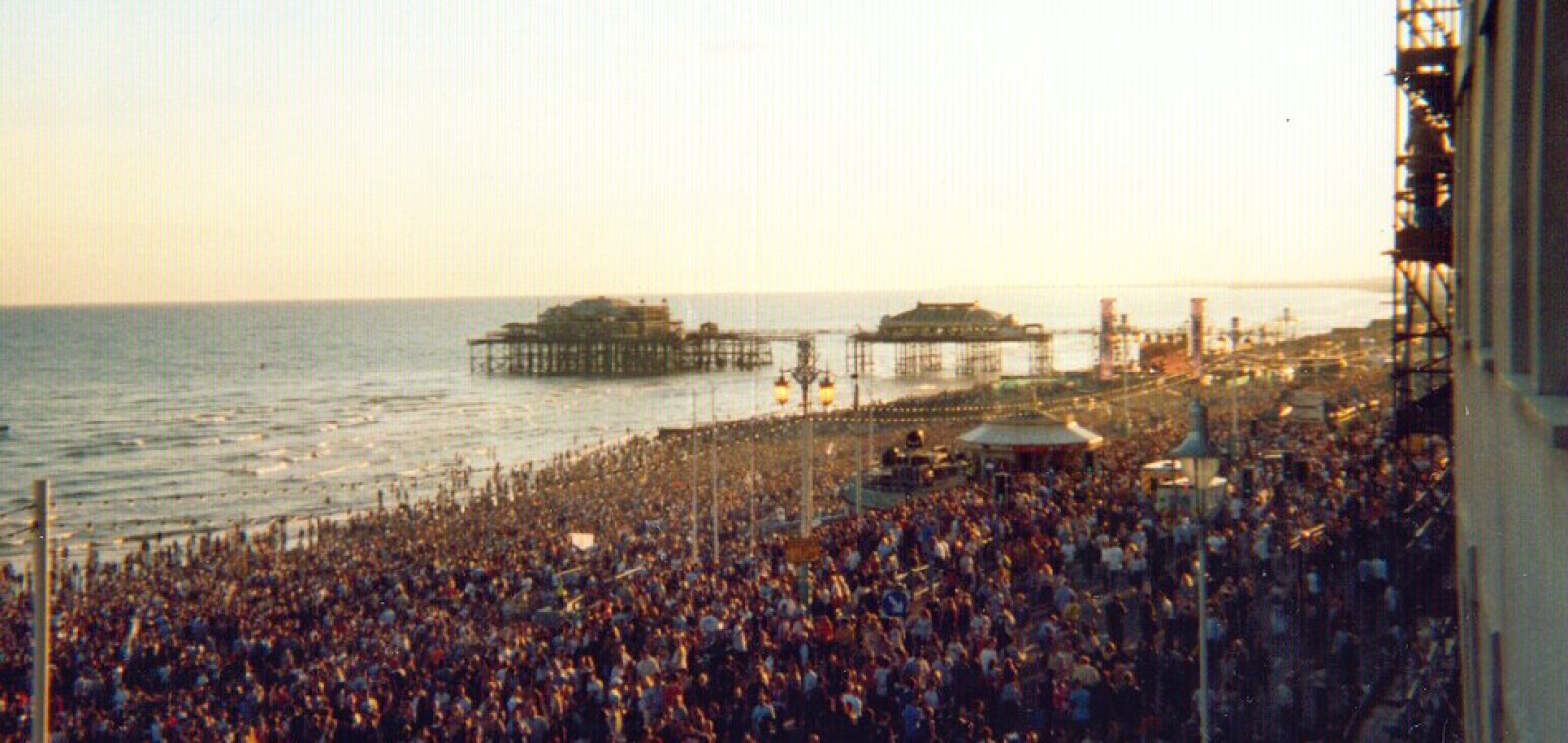
On Saturday, July 13, 2002, Norman Cook played a free DJ set on his own doorstep and accidentally staged one of the biggest crowd events Britain had ever seen. The Fatboy Slim Brighton beach party, officially billed as Big Beach Boutique II, was planned for around 60,000 people. More than 250,000 turned up, roughly doubling the population of the city for a day, jamming the roads back to Gatwick and turning a summer party into a case study that event planners still teach.
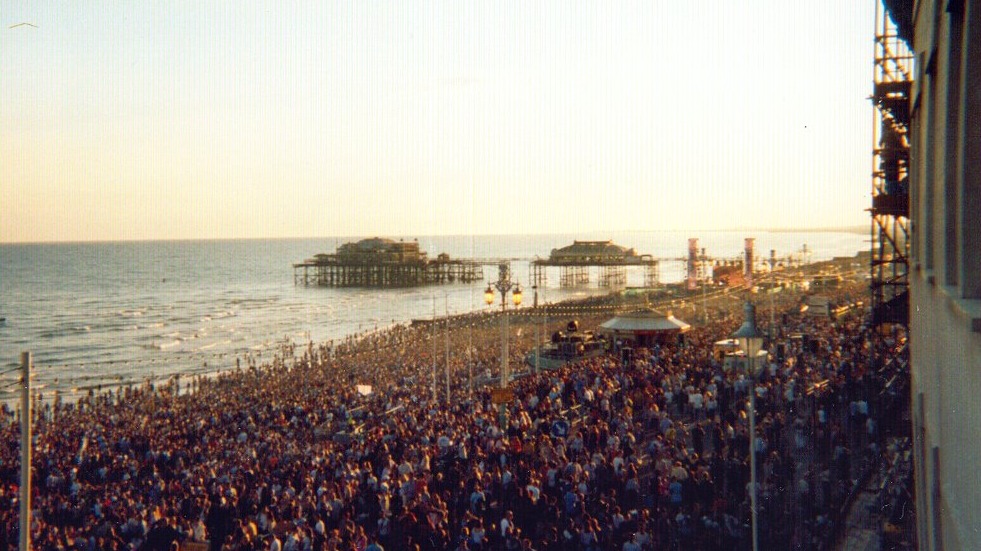
A free gig planned for 60,000
Big Beach Boutique II was meant to be a generous but manageable homecoming for the city’s most famous DJ. Channel 4 sponsored the event, and when another backer pulled out, Cook put in £100,000 of his own money to keep it free. Chris Moyles talked it up on BBC Radio 1 and adverts ran on London buses. Planners expected about 60,000 people, and Sussex Police allocated 50 officers.
Then the weather turned. A heatwave pushed temperatures to 28°C that afternoon, and the combination of a free party, a national radio push and a sunny Saturday pulled in people from all over the country. By 2pm around 50,000 had already arrived, hours before the headliner was due on.
The day the roads gave up
Traffic on the A23 backed up past Gatwick Airport, more than 25 miles from the beach, and the A27 locked up too. Car parks filled early and drivers abandoned their vehicles on verges along the coast. Trains into Brighton ran at capacity, and the seafront between the two piers became a single packed mass of bodies.
Inside the police operation, the mood shifted fast. Officers feared a crush on the scale of Hillsborough, and the priority moved from crime to keeping people alive. An extra 220 officers were drafted in and the Metropolitan Police offered help. Commanders discussed calling the whole thing off but worried that pulling the plug on a quarter of a million people would start a riot. Instead, the show went ahead on one condition: Cook had to finish 30 minutes early. Midfield General, the alias of Damian Harris, opened proceedings after being told to delay his start, and Cook walked off at 10.30pm.
Fatboy Slim Brighton beach: the cost of a quarter million guests
Getting everyone home proved harder than getting them there. Ambulances were stuck or delayed, and lifeboats were used to move casualties along the shore while a coastguard helicopter pulled people out of the sea. After the set, rail operators cut power to the tracks when people started falling from crowded platforms. Thousands missed the last trains, found every hotel full and slept on the pebbles.
The human toll was real. Two people died in the hours after the event, including a 26 year old Australian nurse who fell from railings. In total 171 people were injured, 11 of them seriously enough to be taken to hospital, and police made six arrests. Half the officers who worked the day later needed trauma counselling.
The cleanup took several days and cost around £300,000. Crews collected more than 160 tonnes of rubbish, and walls had to be sandblasted. Cook donated £75,000 towards the bill.
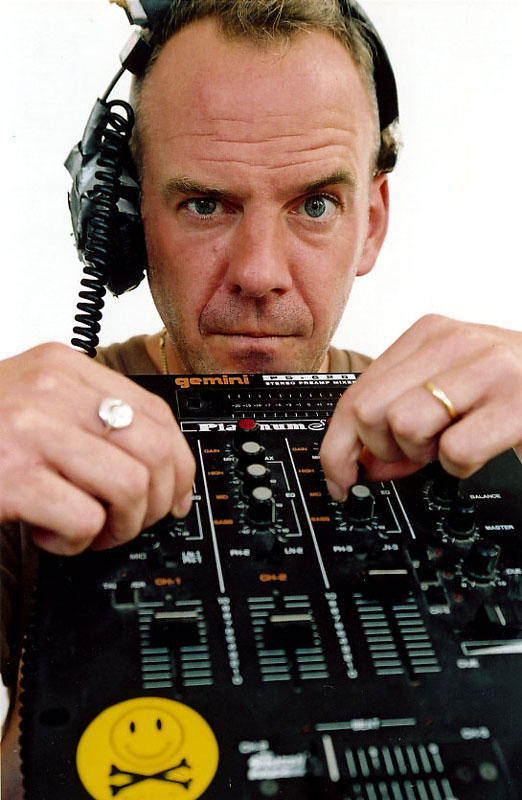
The aftermath for Norman Cook
Expecting a backlash, Cook left the country for a few days on the advice of Paul McCartney. It never came in the form he feared. Brighton residents largely rallied behind him, and the local paper, The Argus, printed a supplement of supportive letters. The city council weighed a ban on future beach events but settled on approving them once proper safety guidelines were in place.
Those guidelines changed everything. When Big Beach Boutique 3 arrived on January 1, 2007, it was ticketed, limited to Brighton and Hove residents and capped at 20,000, with 130 police paid for by the organisers. Big Beach Boutique 4 followed in September 2008 under the same rules. A free, open invitation on the scale of 2002 has not been repeated in Britain since.
Cook took the beach party format abroad instead. In 2004 he played to around 360,000 people on Flamengo Beach in Rio de Janeiro during Carnival, and the live album and DVD of Big Beach Boutique II, released in 2003, became a bestseller in Brazil.
How the story is told today
Two decades on, the event has its own documentary. Right Here, Right Now, released by Sky Documentaries in February 2023, rebuilt the day from police, medics and fans, and Cook has spoken openly about how thin the margin was. Talking to ITV ahead of his July 2026 Brighton run, he called the day “beautiful and equally scary” and admitted, “We were close to disaster.”
That 2026 run, four sold out nights of Brighton on the Beach from July 16 to 19, showed how far the format has come: fenced, ticketed and built around infrastructure that did not exist in 2002. The spirit is the same, though. Cook still calls the hometown show his favourite night of the year.
Big Beach Boutique II sits alongside moments like the 1998 Love Parade in Berlin as proof of how quickly dance music can outgrow the plans made for it, and it belongs in any history of how the UK built rave culture. For more on the man behind it, read our Fatboy Slim facts, and the full event record is on Wikipedia.