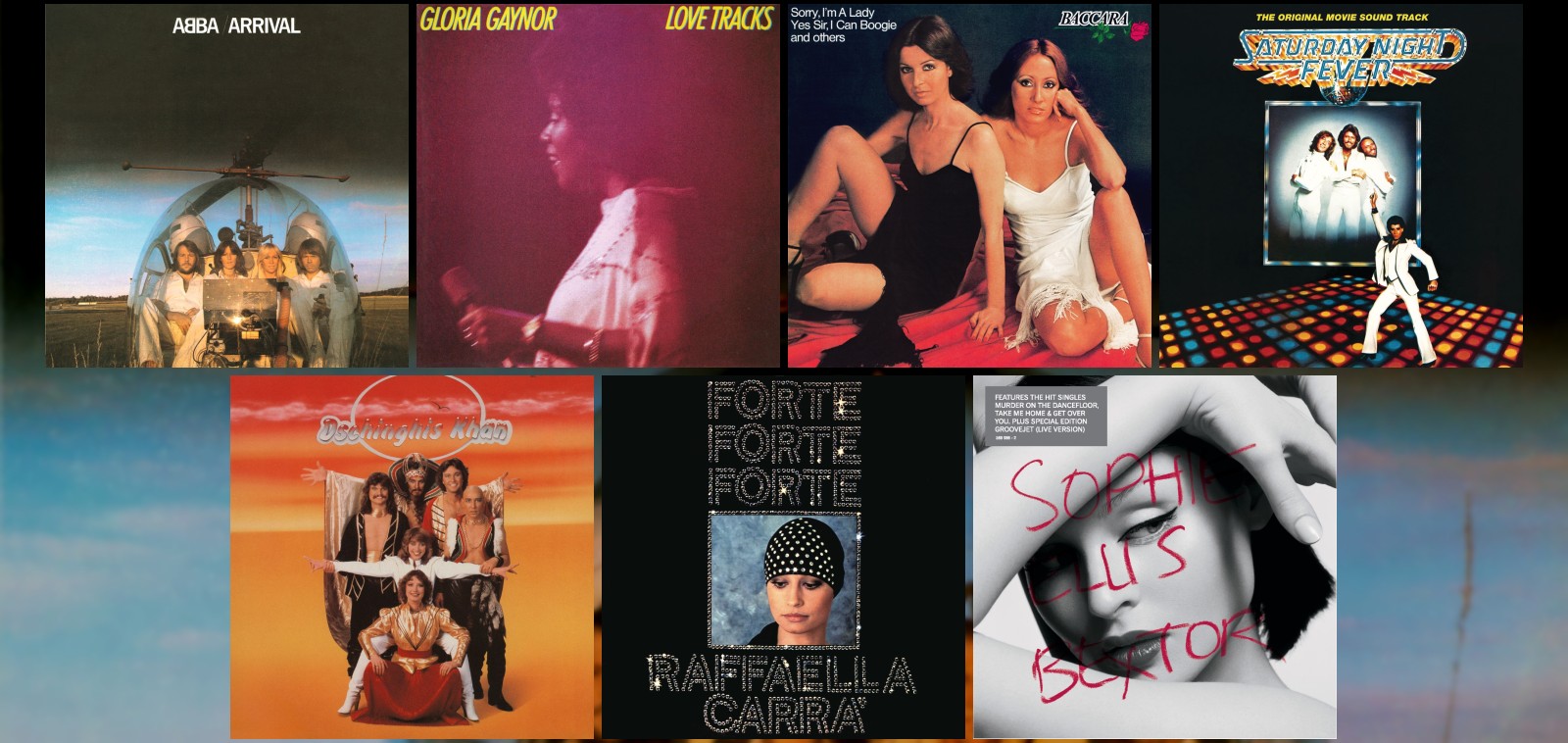
Ask a dancefloor to name the best disco songs of all time and you will get a different answer in every country. Disco was born in New York clubs, but by the late 70s it had become a global language, spoken with Swedish harmonies, Munich synths, Spanish glamour and Italian television charm. We asked our followers which nation made the greatest disco record, and here are the eight contenders, with the facts behind each floor filler.
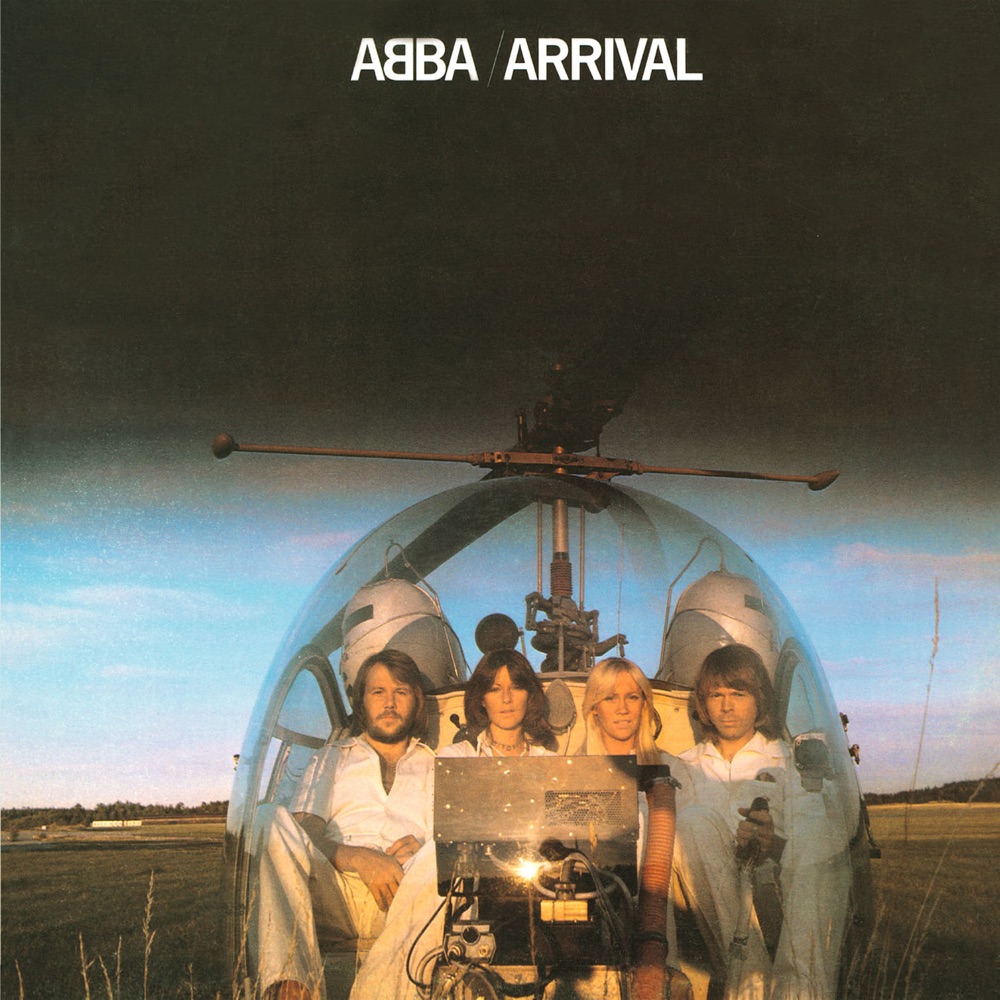
Sweden: ABBA, “Dancing Queen” (1976)
“Dancing Queen” came out in August 1976 and anchored ABBA’s fourth album, Arrival. Written by Benny Andersson, Björn Ulvaeus and manager Stig Anderson, it topped charts across Europe and Australia. In the United States it reached number one on the Billboard Hot 100 in April 1977, and it remains the only American number one ABBA ever scored. Few records have aged into wedding and stadium staples quite as gracefully.
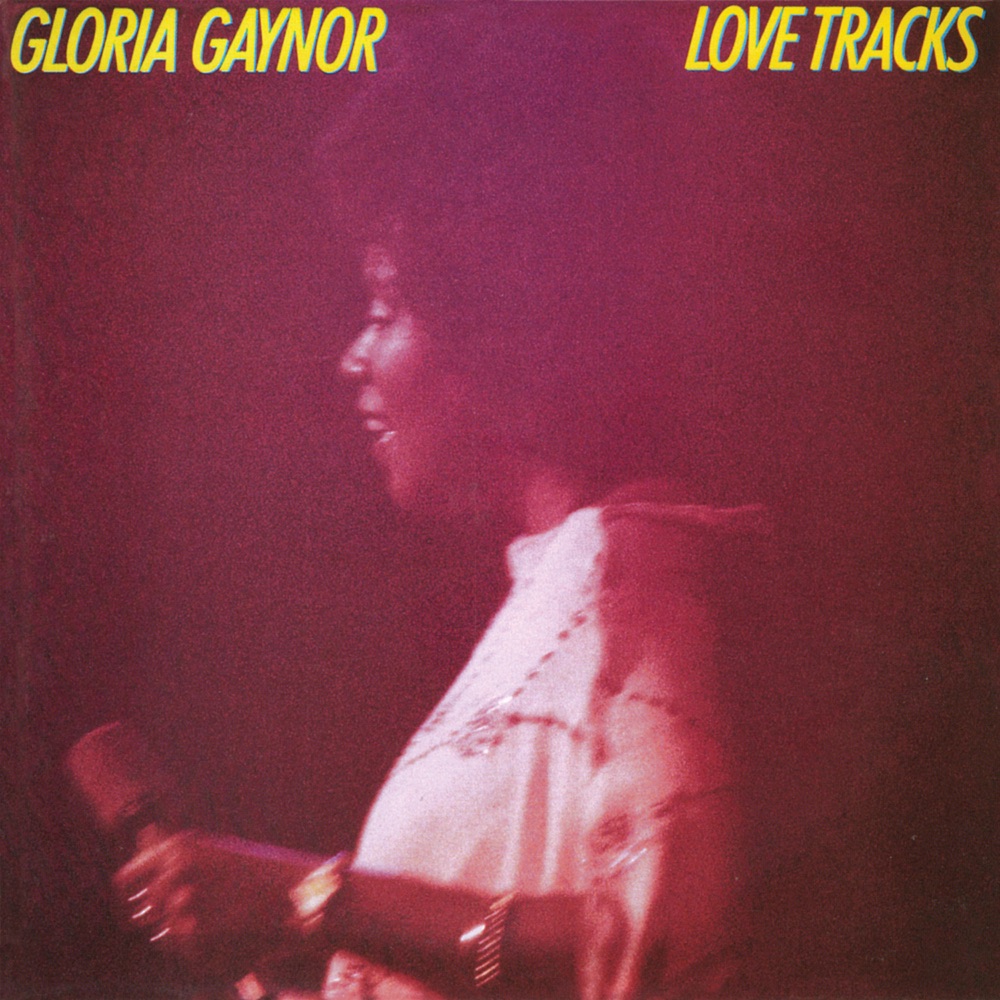
USA: Gloria Gaynor, “I Will Survive” (1978)
Disco’s most famous anthem started life as a B side. Polydor released “I Will Survive” in October 1978 on the flip of “Substitute,” but DJs kept playing the other side, and the label switched it to the A side. Written by Freddie Perren and Dino Fekaris, it spent three weeks at number one on the Hot 100 in 1979.
The song also holds a piece of awards history that will never be repeated. At the 1980 ceremony it won the Grammy for Best Disco Recording, a category the Recording Academy handed out exactly once before retiring it.
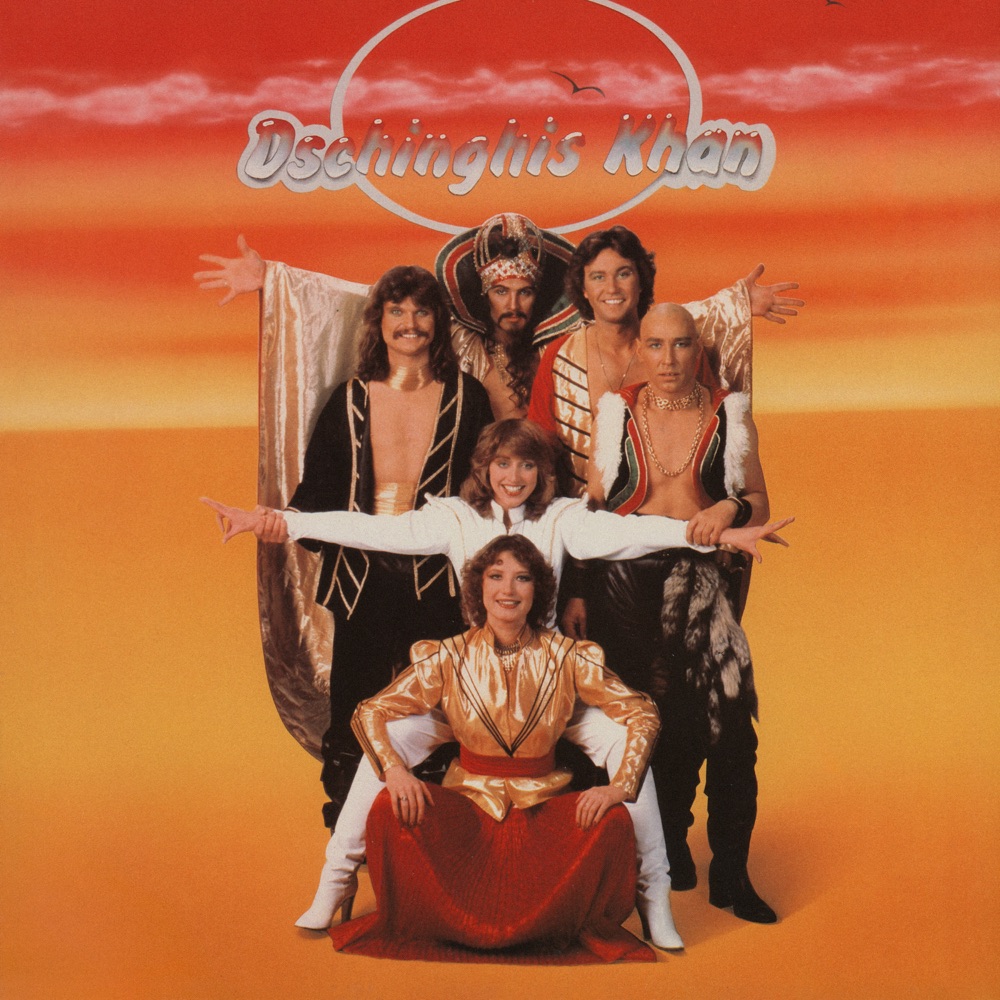
Germany: Dschinghis Khan, “Moskau” (1979)
Munich was the engine room of Eurodisco in the 70s, the city where Giorgio Moroder built the sound that took over European dancefloors. “Moskau” came straight out of that scene. Written by Ralph Siegel and Bernd Meinunger and produced by Siegel, it was recorded at Olympia Studios in Munich in 1979. It reached number three in West Germany, but its biggest run came in Australia, where it sat at number one for six weeks and became the theme for Channel 7’s coverage of the 1980 Moscow Olympics.
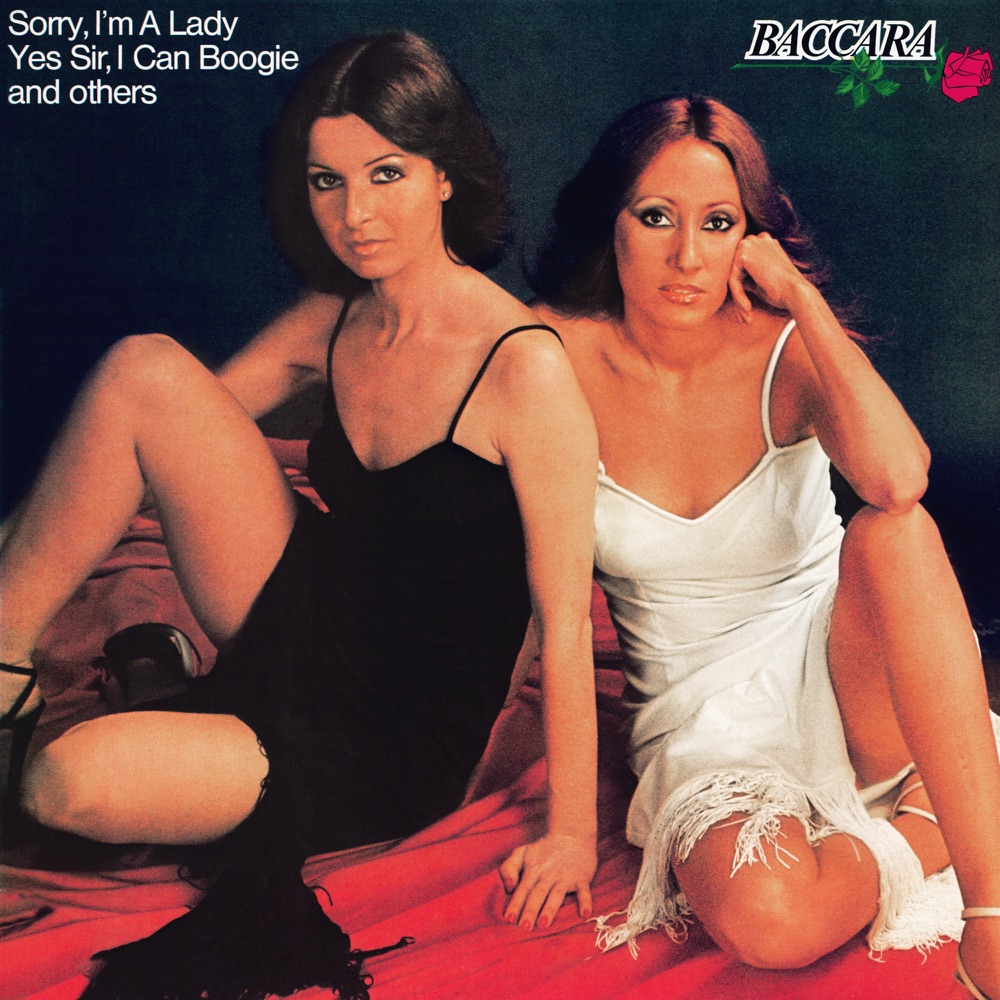
Spain: Baccara, “Yes Sir, I Can Boogie” (1977)
Baccara were María Mendiola and Mayte Mateos, two Spanish singers who worked with German producer Rolf Soja on their debut. “Yes Sir, I Can Boogie” went to number one in the UK in 1977, making Baccara the first female duo ever to top the British singles chart. It was also the only UK number one by a Spanish act until Julio Iglesias arrived with “Begin the Beguine” four years later.
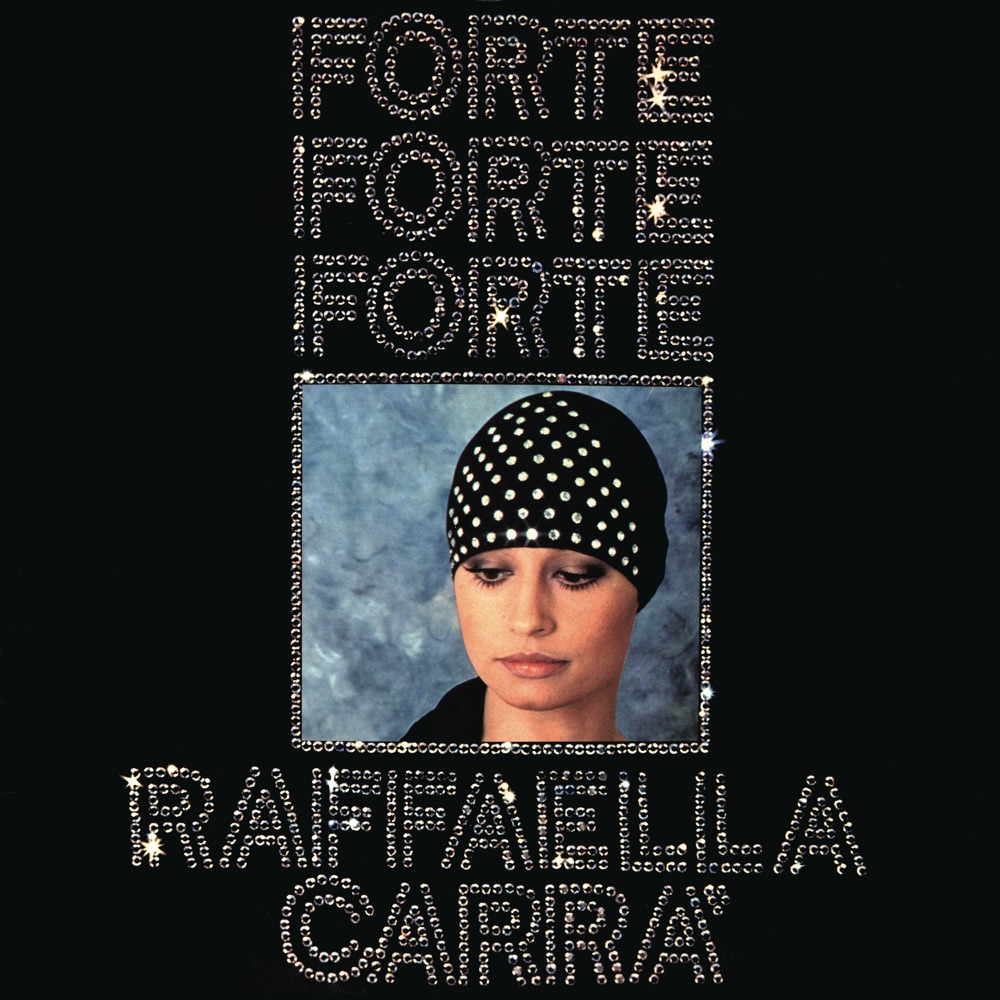
Italy: Raffaella Carrà, “A far l’amore comincia tu” (1976)
Raffaella Carrà was already a television icon in Italy when “A far l’amore comincia tu” appeared on her 1976 album Forte forte forte. The song travelled across Europe in several languages and became one of her signature hits. Its second life arrived in 2011, when French producer Bob Sinclar sampled it for “Far l’amore,” released in March of that year with Carrà credited on the track. The remix reached number six in Italy and number seven in Spain, introducing her voice to a new generation of club crowds.
France: Cerrone, “Supernature” (1977)
Marc Cerrone’s “Supernature” was the title track of his 1977 album Supernature (Cerrone III), and it pointed disco toward the synthesizer future. Its lyrics, a sci fi warning about nature taking revenge, were written by Lene Lovich. The single reached number one on the US Hot Dance Club Play chart in early 1978 and climbed to number eight in the UK that August. Of all the records here, it is the one whose DNA runs most directly into house and techno.
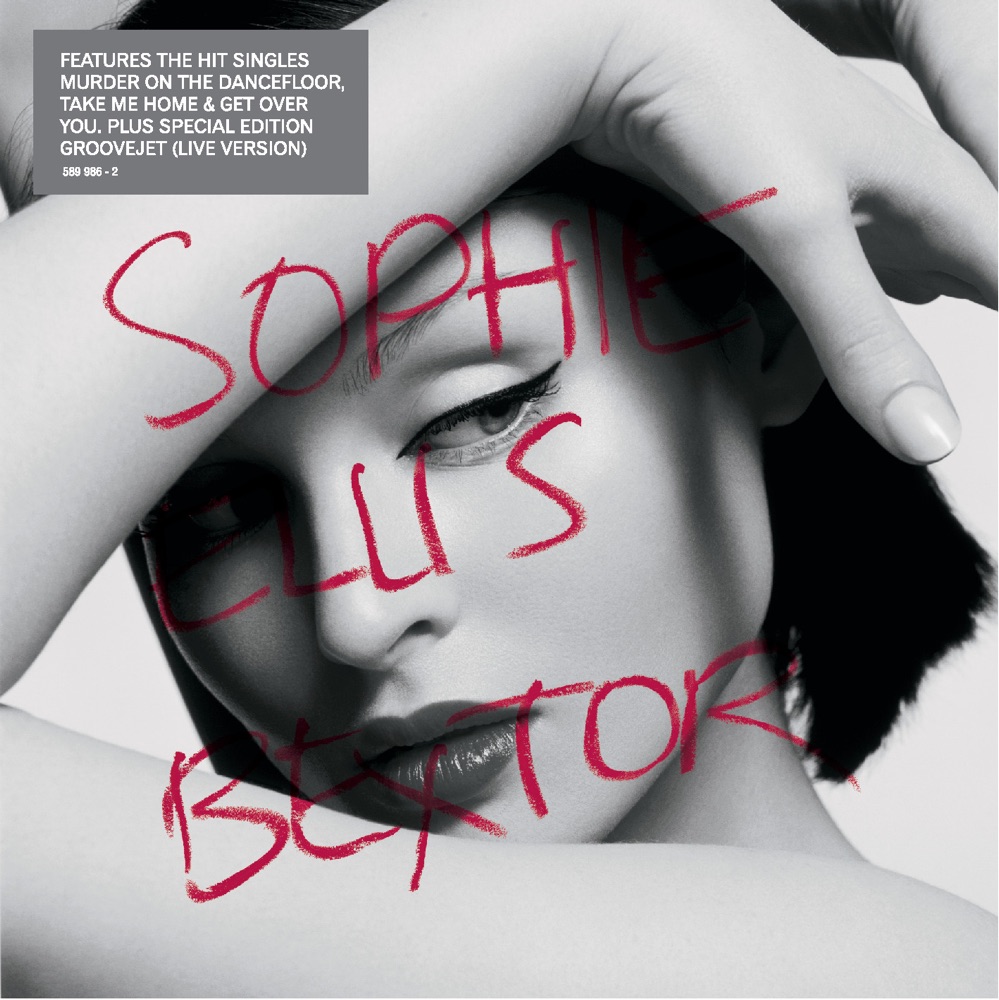
UK: Sophie Ellis Bextor, “Murder on the Dancefloor” (2001)
The youngest record on the list belongs to the disco revival of the early 2000s. Taken from her debut album Read My Lips, “Murder on the Dancefloor” peaked at number two in the UK in 2001. More than two decades later, its use in the closing scene of the film Saltburn sent it back up the chart, and in January 2024 the Official Charts Company confirmed it had matched its original peak of number two.
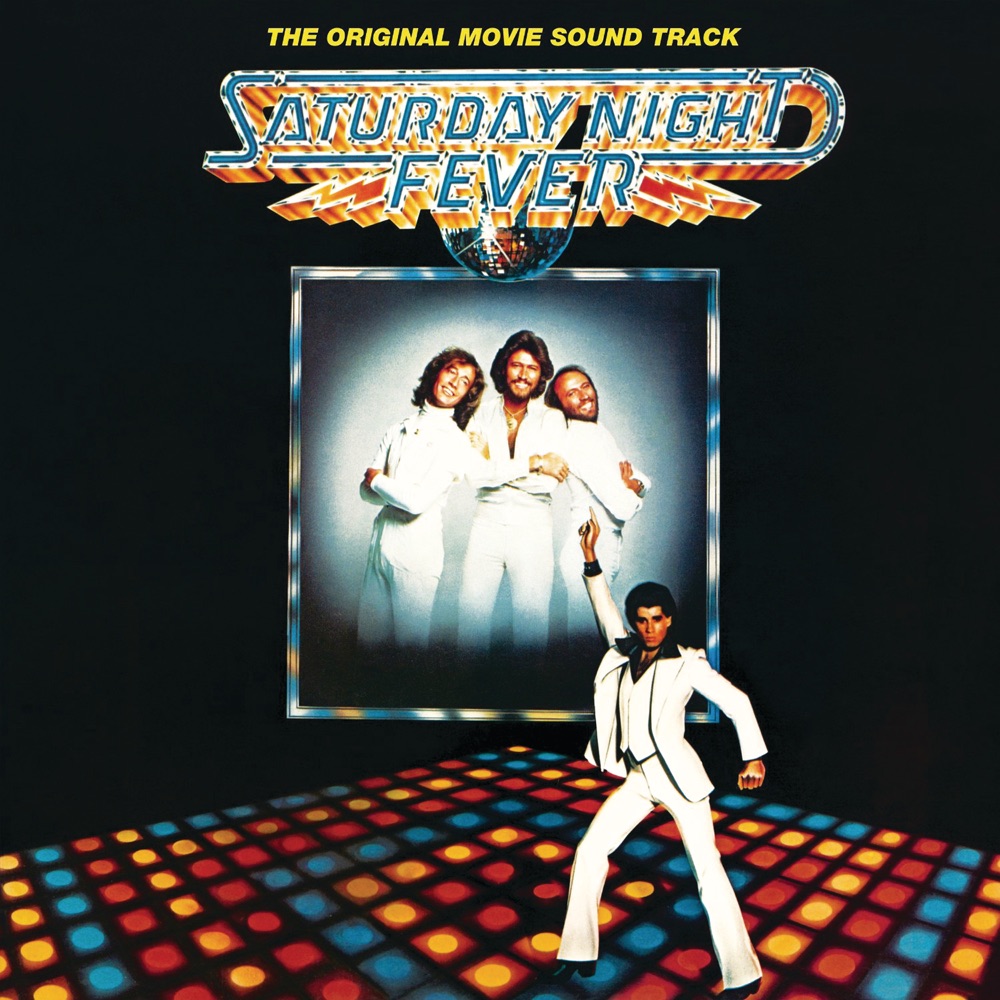
Australia: Bee Gees, “Stayin’ Alive” (1977)
Australia’s entry needs a footnote. Barry, Robin and Maurice Gibb were born on the Isle of Man and spent their early childhood in Manchester, but the family emigrated to Queensland in 1958, and the brothers grew up and scored their first hits in Australia before returning to Britain in 1967. A decade later, “Stayin’ Alive” opened the Saturday Night Fever soundtrack, topped the Billboard Hot 100 for four weeks in early 1978 and turned John Travolta’s strut down a Brooklyn sidewalk into the defining image of the disco era.
So which country made the best disco song?
On chart power, the USA and Australia have the strongest claim, with Hot 100 number ones that defined the era. On awards history, Gloria Gaynor stands alone. On influence over the music that came next, France’s “Supernature” and the Munich sound behind “Moskau” did the most to shape electronic dance music. And on staying power, ABBA and Sophie Ellis Bextor keep proving that a great disco record never really leaves the charts.
Disco worked because it crossed borders, exactly like the eurodance boom that followed it. If you enjoyed this debate, read our breakdown of the best eurodance songs by country or dig into the disco sample behind Daft Punk’s “One More Time”. Then tell us in the comments which flag takes the crown.