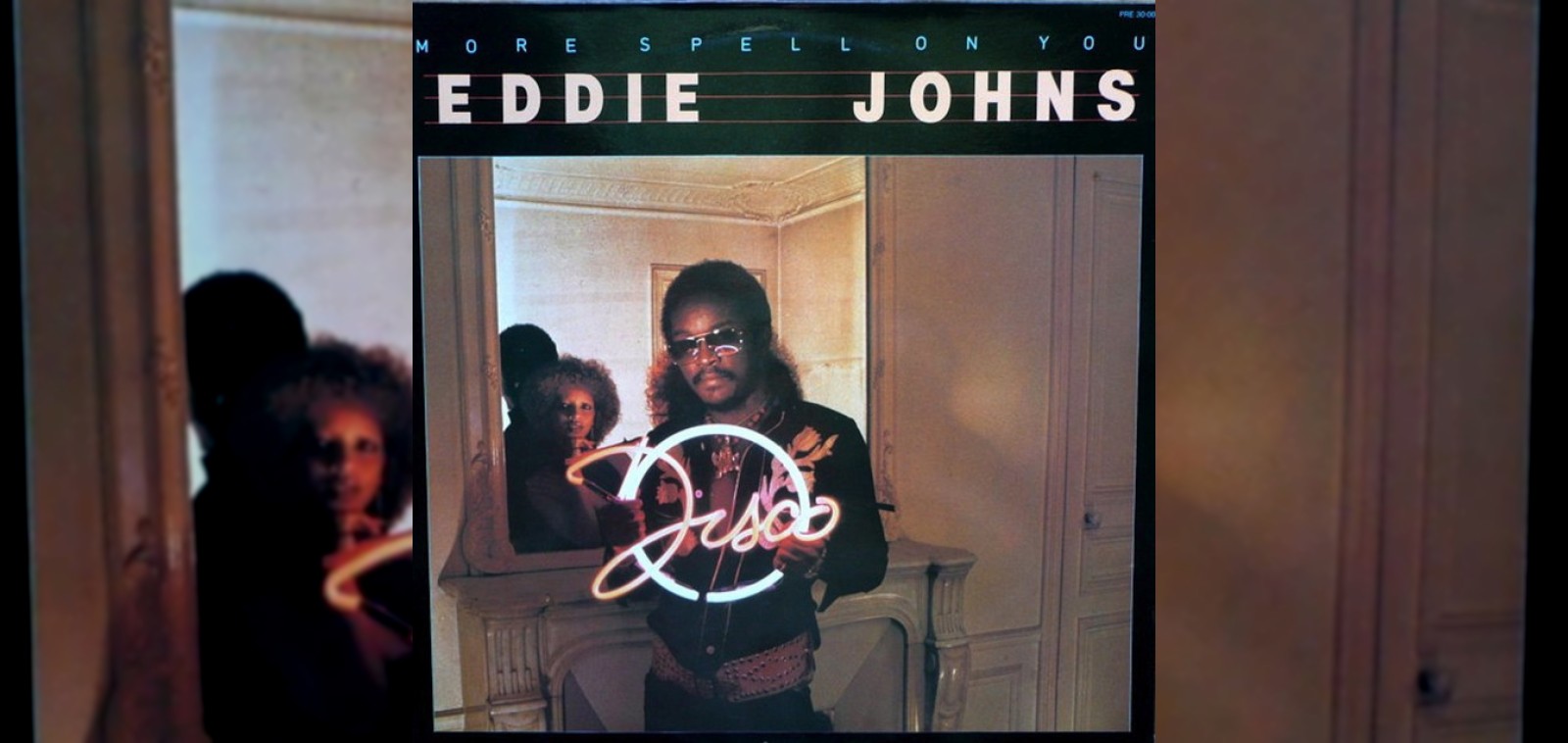
The One More Time sample is one of the most famous loops in dance music, and most people who have screamed along to it on a festival field have no idea where it came from. The horns that open Daft Punk’s 2000 anthem were lifted from “More Spell On You”, a 1979 disco record by Eddie Johns, a Liberian singer who cut his records in Paris and later ended up living in supportive housing in Los Angeles. He says he has never been paid for it.
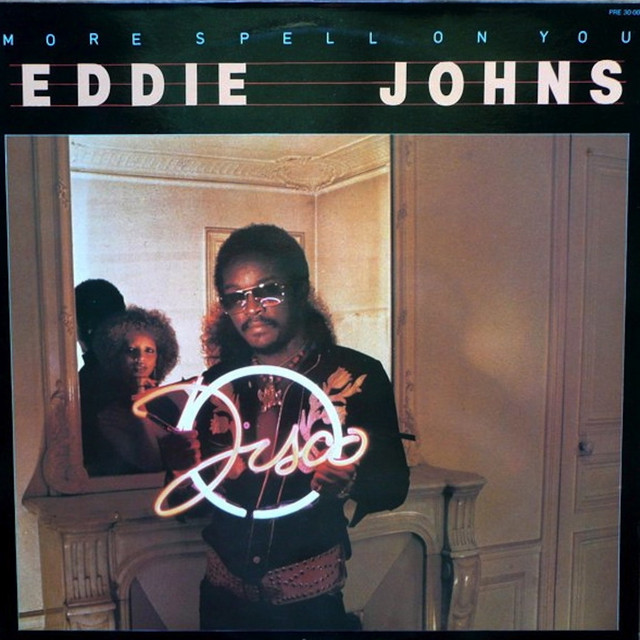
Where the One More Time sample comes from
Eddie Johns was born in Liberia in 1951 and grew up on American soul and rock: Aretha Franklin, Johnnie Taylor, Jimi Hendrix, Eddie Floyd. In 1977 he moved to Paris to make records, and over the next few years he released the albums More Spell On You (1979) and Paris Métro (1980). The title track of the first one carries a bright, punchy brass line, credited to Johns as writer and performer with Gérard Salesses as composer.
Two decades later, Thomas Bangalter and Guy Manuel de Homem Christo took that brass, chopped it into short fragments and rearranged them into a completely new phrase. That rebuilt hook became the spine of “One More Time”. If you play the two records side by side, the tone of the horns is unmistakable, but the melody Daft Punk built from it is their own. It is the same trick that powered other French touch classics, like the Chic guitar behind Modjo’s “Lady (Hear Me Tonight)”.
Romanthony and the making of an anthem
The track was recorded in 1998 and sat on a shelf for two years. The vocal was written and sung by Romanthony, the New Jersey house singer and producer, and Daft Punk ran it through heavy Auto Tune processing, a choice that divided purists at the time and now sounds like the blueprint for a whole era of pop. Homem Christo later said the funk in Romanthony’s voice matched the funk in the music, which is why they wanted him.
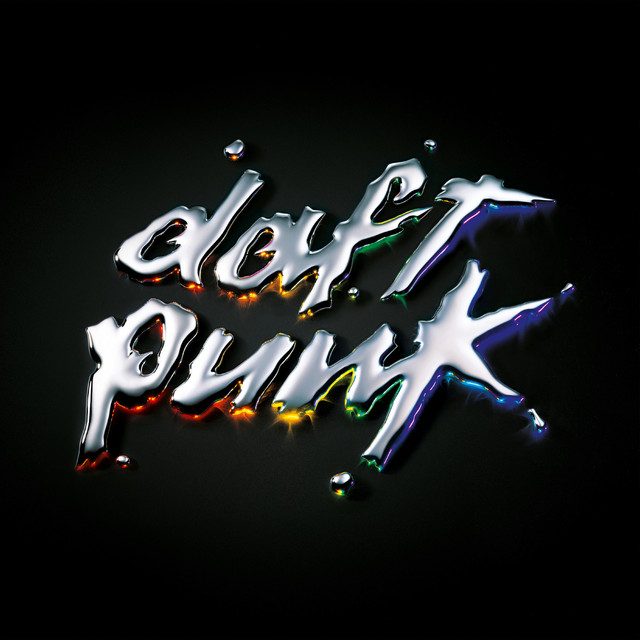
Virgin Records released “One More Time” on 13 November 2000 as the lead single from Discovery, which followed in 2001. It went to No. 1 in France, No. 2 on the UK Singles Chart and No. 1 on the UK Dance chart, and it topped Billboard’s Dance Club Songs chart in the United States while reaching No. 61 on the Hot 100. By June 2013 it had sold more than one million digital copies in the US, Daft Punk’s first single to pass that mark.
One of the greatest dance songs ever made
Critics have only grown fonder of it. In 2022 Rolling Stone placed “One More Time” at No. 2 on its list of the 200 Greatest Dance Songs of All Time. Mixmag readers have voted it the greatest dance record of all time, and Billboard ranked it as the best Daft Punk song when the duo split in 2021. It is still one of the most reliable closing records in any DJ’s bag, a track that turns any room into a singalong, as fans heard again recently when an unreleased 1997 Daft Punk mix resurfaced.
The man who never saw a cent
In May 2021, Los Angeles Times reporter August Brown found Eddie Johns living in supportive housing in Los Angeles after more than a decade of homelessness. A stroke about ten years earlier had left him unable to work. His case manager, Alyssa Cash, had come across a video breaking down the sample and recognised the music Johns had shown her on the computer.
Johns told the paper he had never received royalties from “One More Time”. Looking back on his Paris years, he said he had been so caught up in everything that he never secured legal protection for his work. “I just hope I can get some credit, you know?” he said, adding that he would like to have something to leave his daughter. Estimates cited in the coverage put the value of the sample’s royalties, from streams alone, somewhere in the high six to seven figure range.
Who got paid for the One More Time sample
Daft Punk’s side said the sample was officially licensed from the start. A representative told the Los Angeles Times that Daft Life Ltd. has paid royalties twice a year since 2000 to the producer and owner of “More Spell On You”. That owner is GM Musipro, a French label and publisher that reissues vintage French records. Its founder, George Mary, said the company bought a catalogue containing the track in 1995, had never heard from Johns and had failed to locate him, and promised to review the file, settle any accounts and contact him about his rights.
That chain explains how a sample can be cleared and paid for while the artist on the record receives nothing: the money flows to whoever owns the master and the publishing, and it only reaches the musician if that owner passes it on. The story was widely picked up in 2021, including by Resident Advisor, but there has been no widely reported update since on whether Johns was ever paid. It is a reminder that behind every classic loop, as with Eric Prydz’s “Call On Me”, there is an original performer whose name rarely makes it onto the record sleeve.
Twenty six years after release, “One More Time” is still everywhere. The horns that make it are Eddie Johns’ horns, and his name deserves to be said every time the record plays.