

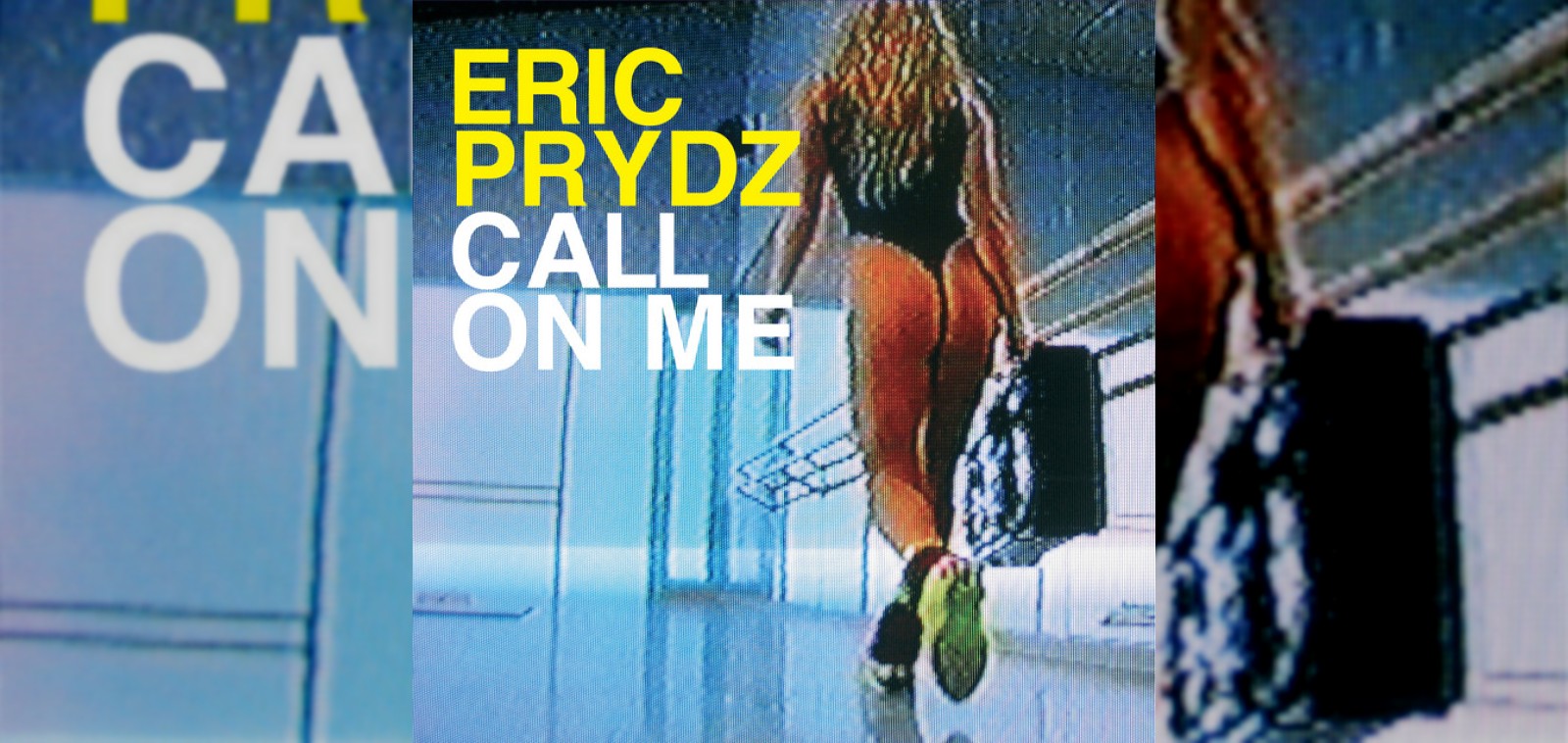
Eric Prydz Call on Me was released on September 13, 2004, and 22 years later it remains one of the most recognizable house records of its decade. A Swedish producer in his twenties took a 1982 Steve Winwood vocal, chopped it into a hypnotic loop and built a track that went to number one across Europe, spawned one of the most talked about music videos of the 2000s, and then spent two decades being disowned by the man who made it.

Where Eric Prydz Call on Me came from
The hook is lifted from “Valerie,” a Steve Winwood single from 1982 written by Winwood and lyricist Will Jennings. But Prydz was not the first to spot its potential. The idea came from Together, the short lived French duo of Thomas Bangalter of Daft Punk and DJ Falcon, who had built a similar edit and played it in their sets around 2003 without ever releasing it. When it became clear that Together would not put their version out, Prydz recreated the concept on his own terms.
Rather than sampling the original recording, the “Valerie” instrumental was rebuilt by Replay Heaven, a company that specializes in recreating samples to simplify licensing. The vocal was another matter. When Winwood was approached to approve the use of his song, he liked what he heard enough to offer to sing the parts again so they would sit better in the mix. That rerecorded vocal is what gives Call on Me its clean, punchy top line, and it is one of the reasons the record sounds as sharp today as it did in 2004.
A number one that made chart history
Call on Me entered the UK singles chart at number one in September 2004. After briefly slipping, it climbed back to the top on October 17 with 23,519 copies sold, at the time the lowest weekly sales figure for a UK number one since records began. That number was less about the track and more about the moment: physical singles were collapsing as downloads took over, and digital sales were not yet counted in the chart. Call on Me became a snapshot of an industry in transition.
Outside the UK it went to number one in Germany, France, Ireland, Sweden, Norway, Austria and on the European Hot 100, and it reached number two in Australia, Denmark and Switzerland. It picked up a Dance Production of the Year award at Germany’s Echo Music Prize in 2005 and Best Dance Video at the International Dance Music Awards the same year. In 2025, Billboard placed it at number 57 on its list of the 100 greatest dance songs of all time.
The video everyone remembers
Directed by Huse Monfaradi, the Call on Me video is set in an aerobics class led by Australian fitness instructor Deanne Berry, with a room full of dancers in leotards and a single, visibly overwhelmed male participant. Monfaradi pitched it as a throwaway idea and it became a cultural moment in its own right. Tony Blair, then British prime minister, told the press he nearly fell off his rowing machine the first time it came on at the Downing Street gym.
Critics were split. NME later ranked it the fifth worst music video ever made, while Vice argued in 2016 that its brashness was precisely the point. Either way, the video did as much for the record’s reach as the track itself, and for a generation of viewers it is the first thing that comes to mind when the piano loop kicks in.
Why Prydz refused to play it for 20 years
The success of Call on Me created an awkward problem for its creator. Prydz built his reputation on the progressive house of his Pryda alias and the techno of Cirez D, and he was open about his discomfort with being defined by a pop crossover he considered lazy. In a 2016 interview with The Guardian he described the track in those terms, and he recalled a show in Canada where members of the crowd threw bottles at him after he declined to play it.
For two decades the track was absent from his sets. Fans could hear “Pjanoo” and “Opus” at any Prydz show, but the record that had made him a household name was off the table. That stance became part of his identity: an artist who would rather build three hour progressive journeys than lean on his biggest hit.
The Austin moment in 2025
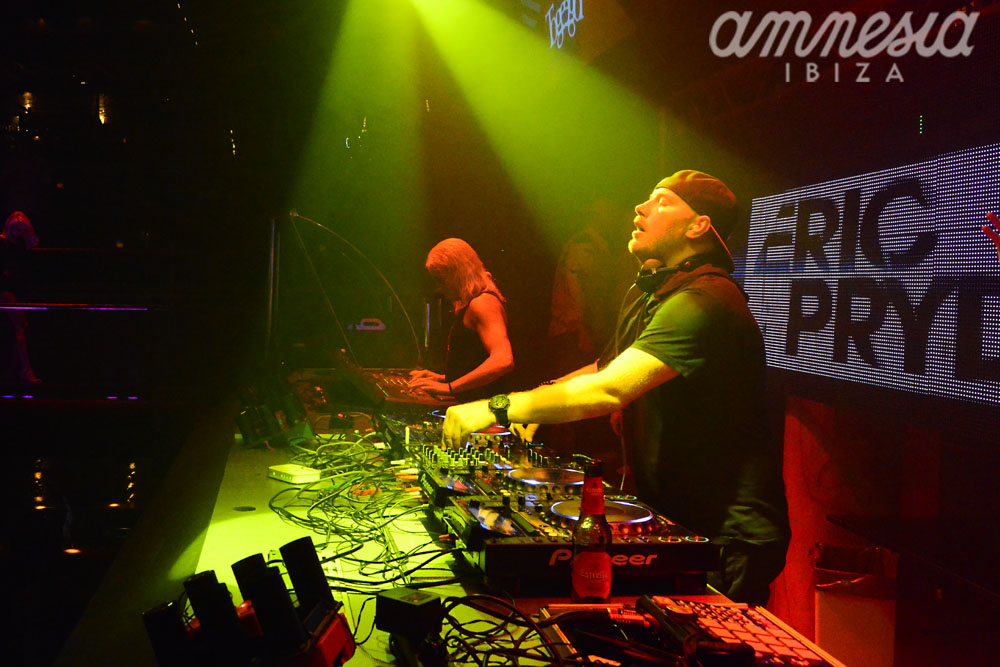
On March 15, 2025, at a show in Austin, Texas celebrating 20 years of Pryda, Prydz dropped Call on Me mid set. It was the first time he had played it in about two decades, and the reaction in the room and online was immediate. Prydz later told Billboard he was as shocked as everyone else, framing the decision as a spontaneous one rather than a planned nostalgia play.
The moment reframed the record. What had been an embarrassment for its maker became a full circle celebration, and it landed at a time when 2000s dance music is being rediscovered by younger audiences. Prydz remains one of the most in demand headliners in electronic music, as his last minute Creamfields 2026 booking showed this summer, and he no longer needs to prove that he is more than one song.
Why it still matters
Call on Me sits alongside records like Fedde Le Grand’s “Put Your Hands Up for Detroit” as a document of mid 2000s house at its most direct: a single loop, a massive vocal and no fat on the arrangement. It is certified double platinum in the UK with more than 1.2 million units, three times gold in Germany and platinum in Australia, Denmark and New Zealand, and its radio edit has passed 670 million streams on Spotify.
Twenty two years on, the story of Eric Prydz Call on Me is really a story about how a producer’s relationship with his own work can change. The track never went away. Its creator just needed 20 years to make peace with it. Full chart history and release details are available on Wikipedia.