
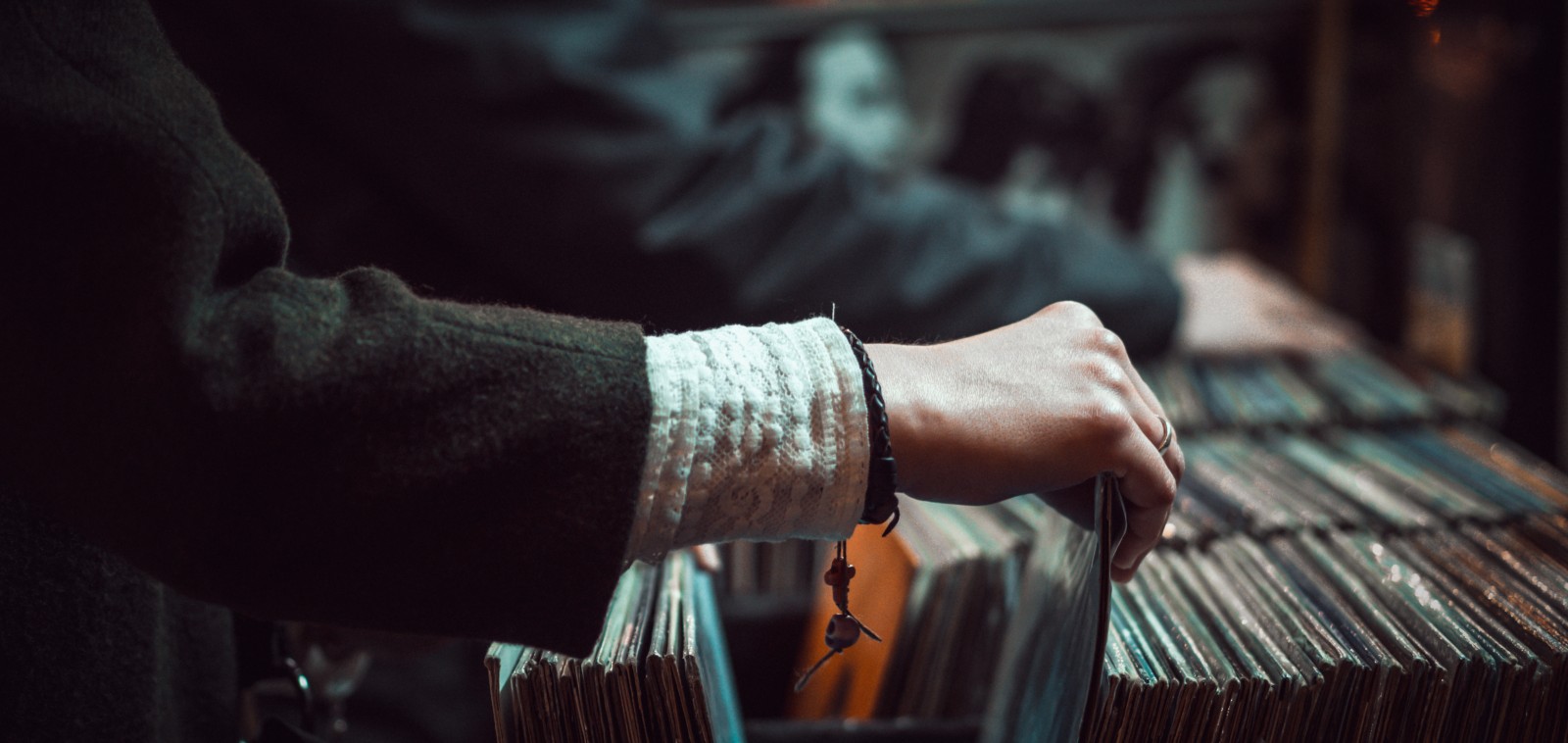
The Carl Cox record collection is not a flex, it is an archive. More than 150,000 vinyl records, gathered across five decades, sit in chronological order at his home in Australia. It is one of the largest private libraries in electronic music, and almost certainly the most personal. Every sleeve was bought by hand, pulled from a shop rack and carried home. As Cox likes to point out, almost none of it arrived as a free promo.
A collection counted in the hundreds of thousands
The number alone stops most people cold. Reports put the haul at more than 150,000 records, stored at his base in Australia and lined up in strict chronological order. The run starts in the late 1960s and stops around 2007, the year Cox says he stopped buying vinyl. Read end to end, it is less a record collection than a timeline of recorded music, one shelf bleeding into the next as the decades turn and whole genres rise and fall.
The styles sprawl in a way only a working DJ’s shelves can. Funk, soul and disco sit next to house, techno, hip hop, jazz, reggae, rare groove and plenty of leftfield pop. Cox never specialised in a single room, and the collection refuses to either. It is the sound of a man who said yes to everything that moved a floor, then kept the evidence.
From his father’s front room to the dancefloor
To understand the collection you have to start with his dad. Born in Oldham in 1962 to Barbadian parents and raised in south London, Cox grew up in a house where the record player rarely rested. His father bought seven inch singles religiously and threw the kind of West Indian house parties where the selection ran from James Brown to Dolly Parton without blinking. By the age of eight, young Carl was the one working the turntable for the family.
That inheritance is literally pressed into the archive. Rare Caribbean records handed down from his late father are folded into the 150,000, and Cox has described the whole thing as something the two of them built together. So when he calls it “the best of the best,” he means it as a son as much as a selector. The collection is part record bag, part family album.
What is inside the Carl Cox record collection
In 2024 Cox finally opened the doors a crack. Picking out his defining records for a photography project, he reached for names that cut clean across eras: Run DMC, Candi Staton, Talking Heads, Carrie Lucas, Fleetwood Mac, Duran Duran, Lil Louis and Doug Lazy among them. Funk, soul, disco, rare groove, Detroit techno, electro and 1980s pop all made the shortlist.
The detail he keeps returning to is intent. “Every single one of these records are not promos,” he has said. “I literally went to the record store and stood there and went through the music.” In an age of infinite playlists, that is a quietly radical way to build a library: one slow, deliberate purchase at a time. It is the same crate digging instinct that runs through the entire history of house music, from Chicago basements to British fields.
The Mark Vessey project that put it on a wall
The reason any of this surfaced in 2024 is a collaboration with British photographic artist Mark Vessey. Vessey travelled to Cox’s studio in Australia, spent two days among the shelves, and turned a selection into a limited edition artwork simply titled “Carl.” It launched at Enter Gallery in Brighton on 20 July 2024. Vessey has given the same treatment to other dance music obsessives, including Fatboy Slim, as part of his ongoing Collections series.
For Cox the process turned emotional fast. “Each record I choose has a story behind it and it was very emotional choosing the records that helped shape my journey,” he said, framing the archive as a privilege and a responsibility rather than a trophy. DJ Mag’s report on the project runs through the full list of records he chose.
A living timeline, not a museum
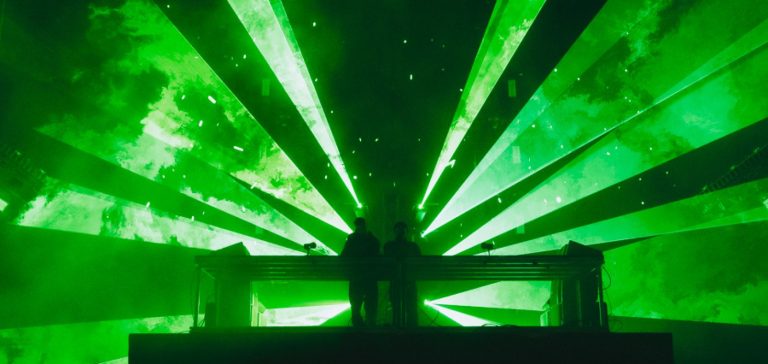
The temptation is to treat 150,000 records as a static monument. Cox does not. During his Cabin Fever livestreams in 2020 he pulled tracks straight off these shelves and spun them for a locked down global audience, proof that the archive still works as a tool and not just a brag. It is the analogue counterweight to a career that helped build modern techno, the same restless digging that earned him the nickname the Three Deck Wizard and, in 2023, DJ Mag’s Outstanding Contribution award.
Cox still headlines the biggest rooms on the planet, from Ibiza to his almost annual RESISTANCE closing set in Miami. But the Carl Cox record collection tells a quieter story: a kid on his dad’s turntable who never stopped buying the music, and ended up holding one of the most complete physical histories of dance music anyone has assembled. The collection was never the boast. It is the receipt.