

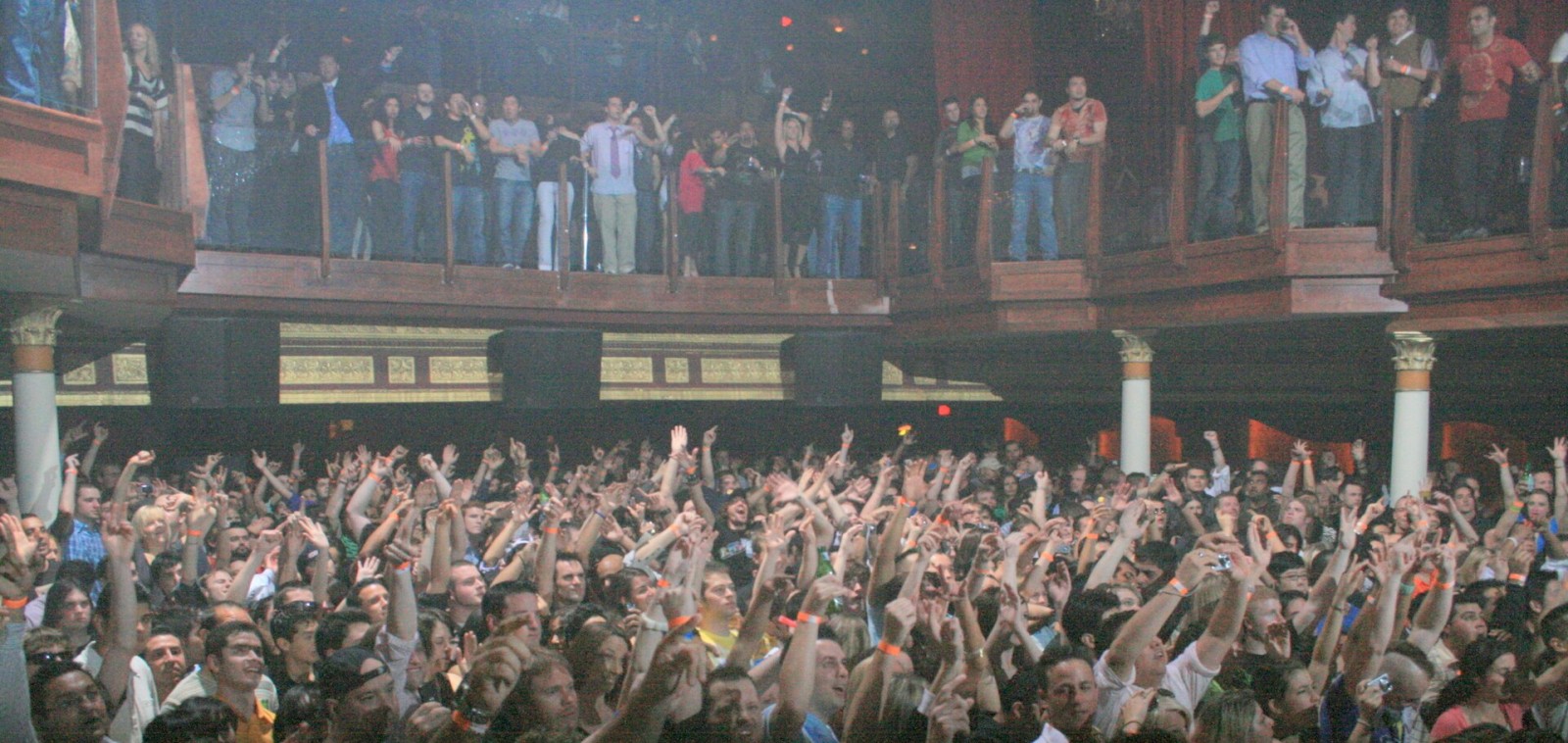
We put a simple question to our community channel: what was clubbing in the 90s really like? The replies arrived fast, and they were strikingly consistent. No phones. No filming. No pressure to document every second. Just music, freedom, and dancing until the lights came on.
The same words kept surfacing across the responses: euphoria, underground, pure vibes, and getting lost in the music. The nostalgia ran deep, but underneath it sat a genuine cultural shift worth unpacking. Here is what the people who were on those dancefloors actually remember, and what the history backs up.
No Phones, No Evidence
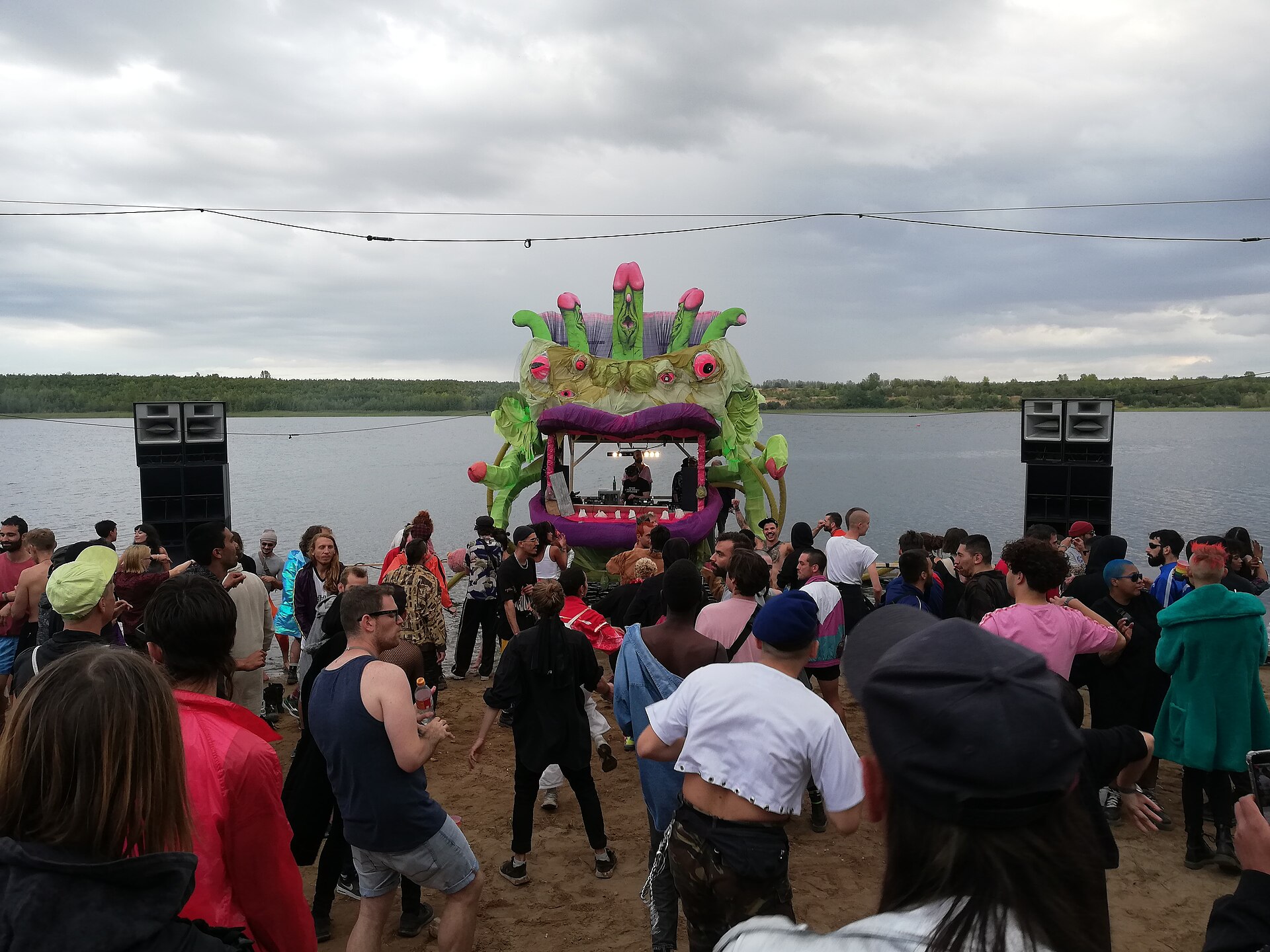
The single most common theme was the absence of screens. Person after person described nights with nothing between them and the music, no glowing rectangles, no one filming the drop, no feeds to perform for.
“No phones, euphoria, connection with others, everyone on the same page, peace love and having fun.”
shiloo297
“All of the debauchery, none of the evidence.”
industrialdrummer44
A small reality check belongs here, though. Camera phones did not exist for most of the decade. The first models only reached the market in 2000, and the smartphone era did not begin until the iPhone arrived in 2007. So the famous “no phones” magic of clubbing in the 90s was partly circumstance: there was simply nothing to film with. That does not erase the feeling people describe, but it does reframe it. The presence everyone remembers was the default setting of the time, not a discipline anyone had to choose.
Euphoria, Underground, and the Birth of PLUR
If one acronym defined the era, it was PLUR, short for Peace, Love, Unity, Respect. The phrase is often traced to DJ Frankie Bones, who reportedly used it to calm a crowd at one of his Storm Rave events in Brooklyn in 1993. It started as Peace, Love, Unity, with Respect added later by the online rave community, and it became the unofficial code of conduct for a generation.
“It was amazing, people dressed in colors PLUR, mostly different stages with different sounds: Trance, Techno, House, DnB, Hardcore.”
kitty_butler42
That spread of genres was real. Acid house had cracked electronic music into the mainstream in the late 1980s, and by the mid-1990s it had splintered into techno, trance, jungle, and hardcore. Much of it happened in unlikely rooms: abandoned warehouses, old industrial plants, and clubs like Manchester’s legendary venues where the music turned strangers into a single moving crowd. The word “underground” came up again and again for good reason.
“More underground and less of a commercial vibe, and fewer people who go because they think it makes them cool.”
djfilthyd7
Dancing Until the Lights Came On
The other constant was stamina. These were not two-hour visits built around a photo opportunity. They were full nights, often bleeding into the morning, with the dancefloor as the only place anyone wanted to be.
“Dance till the lights came on, music stopped, getting lost in the music, hairdo completely gone by 3AM because of all the sweating.”
nicolemcdonaldrswk
“The best! No phones, and pure vibes. There was always somewhere to go from Monday through to Sunday.”
dj_joolee_b
“Full of spirit, no care, unadulterated fun. No cameras, no attitude. Just sublime.”
monkeyjnr2018
When the DJ Read the Room
Several replies pointed at the booth. In the memory of these clubbers, the DJ served the floor rather than the camera, and the crowd faced the music instead of the performer.
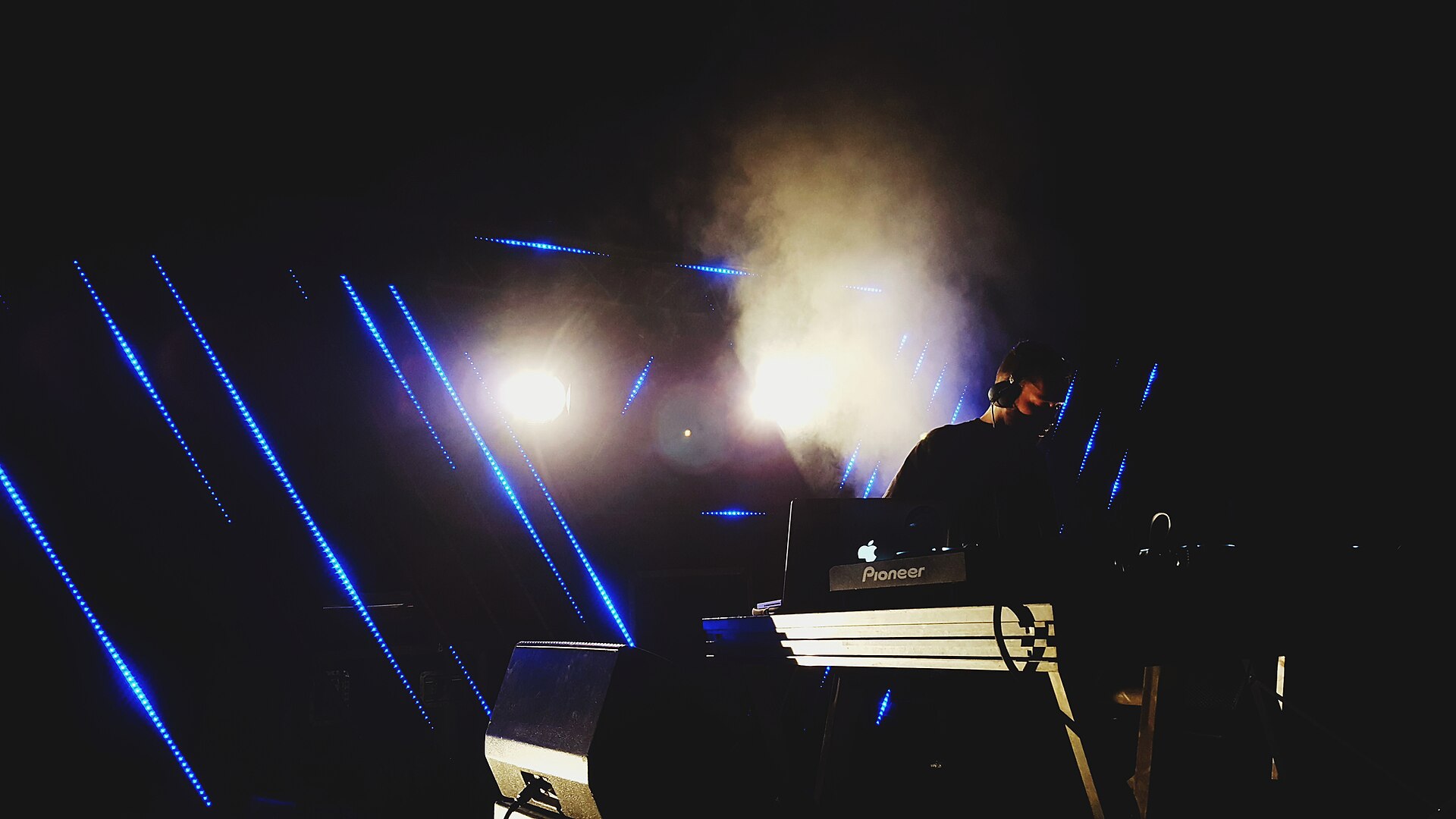
“Golden age of clubbing! No phones. The DJ played tracks and read the room, they didn’t hijack the night for their own self gratification.”
lazzzy_bonez
“People dancing and enjoying the music and sound, not facing the DJ like nowadays.”
janmardfeldt
Were People Really More Present?
It is tempting to dismiss all of this as rose-tinted nostalgia, and some of it is. Yet the contrast with today is measurable. A 2025 study commissioned by Ray-Ban Meta found that around half of clubbers now believe phones are ruining the dancefloor, while more than half of those same people admit to using their phone on it anyway. Roughly 60 percent reach for the camera to film themselves and their friends mid-set.
The industry has noticed. Venues including London’s Fabric and Fold have leaned into phone restrictions, the relaunched Sankeys in Manchester is going phone-free, and Tomodachi in Ibiza opened with a strict no-phone rule aimed at rebuilding the connection between DJ and dancer. In other words, clubs are now trying to engineer the very conditions that clubbing in the 90s had for free.
Maybe the music was not objectively better. Maybe, as one of our community members put it, people were just more present because the technology of distraction had not been invented yet. Either way, the answers point at something real that the modern dancefloor is still chasing: a room full of people looking at each other instead of their screens. For more on how nightlife keeps reinventing its old spaces, see our look at New York’s legendary Limelight club and the push for a Detroit electronic music museum.