

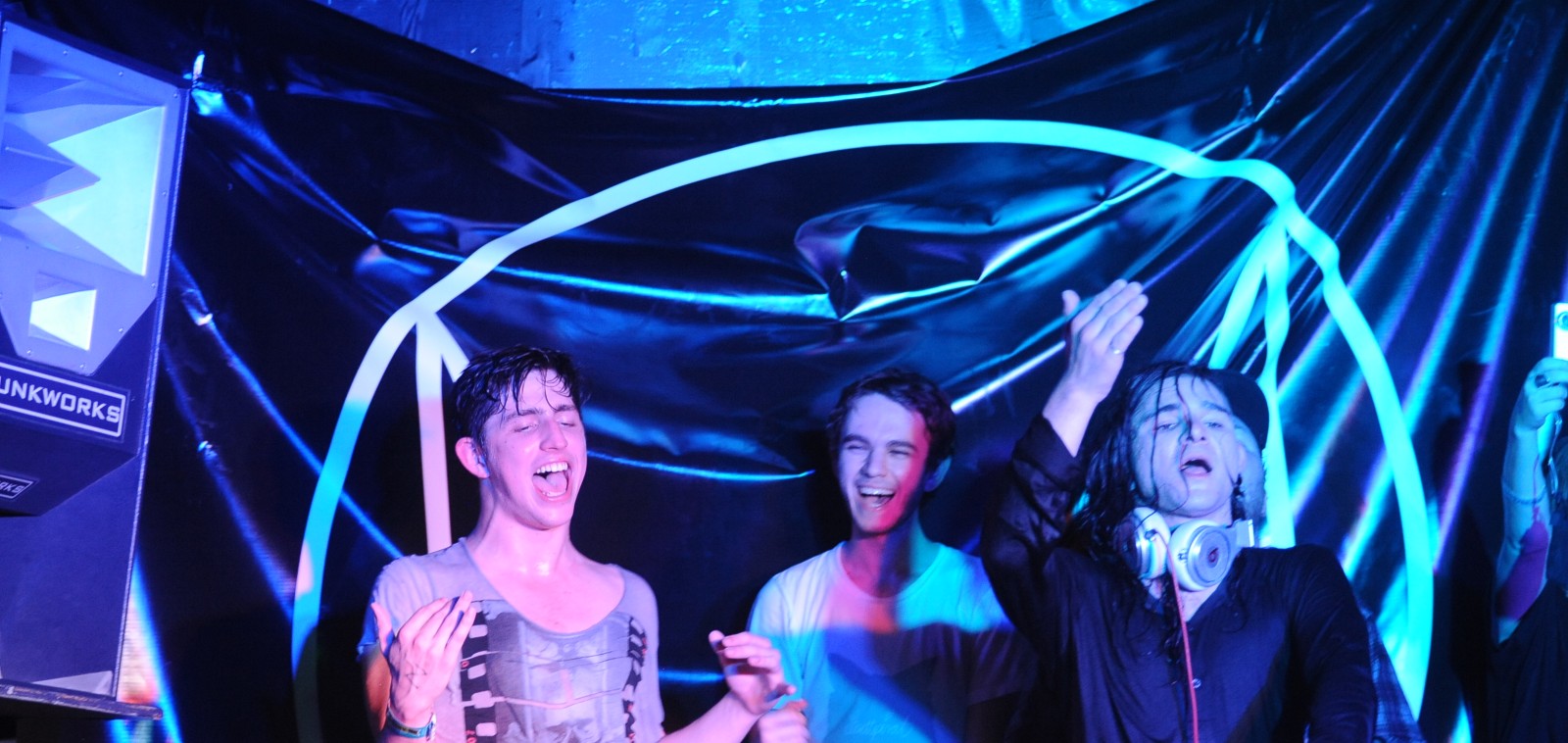
DJ name changes are one of electronic music’s quiet traditions. Long before the sold out arenas and the festival headline slots, many of today’s biggest stars built their first followings under names almost nobody remembers. A fresh alias can signal a new sound, a clean break from an old genre, or simply a brand that travels further. Here are 13 artists who became famous under a name that was not their first.
From bedroom uploads to global brands
Some of the most recognizable names in the genre started as anonymous usernames. Marshmello is the clearest example. Chris Comstock began in 2010 as Dotcom, a handle pulled from his surname, posting mashups and dubstep edits on SoundCloud. He reinvented himself in early 2015 as the masked Marshmello, a persona openly inspired by deadmau5, and Forbes confirmed his identity through royalty databases in 2017.
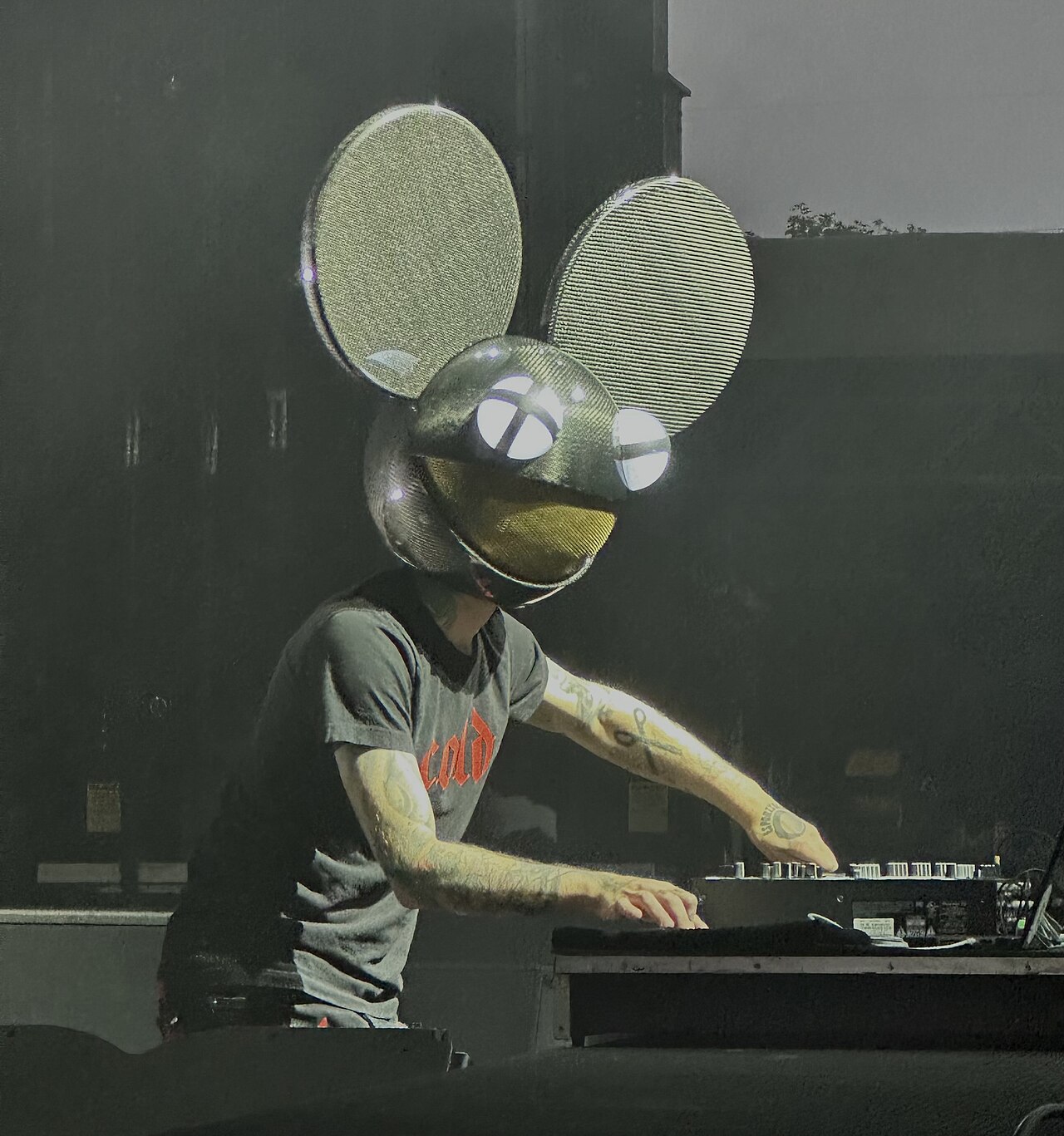
deadmau5 himself reached even further back. Before Joel Zimmerman became the producer in the giant mouse helmet, he uploaded early music as Halcyon441, an alias he used around 1998 to 2002 that took its name from the Orbital track “Halcyon + On + On.”
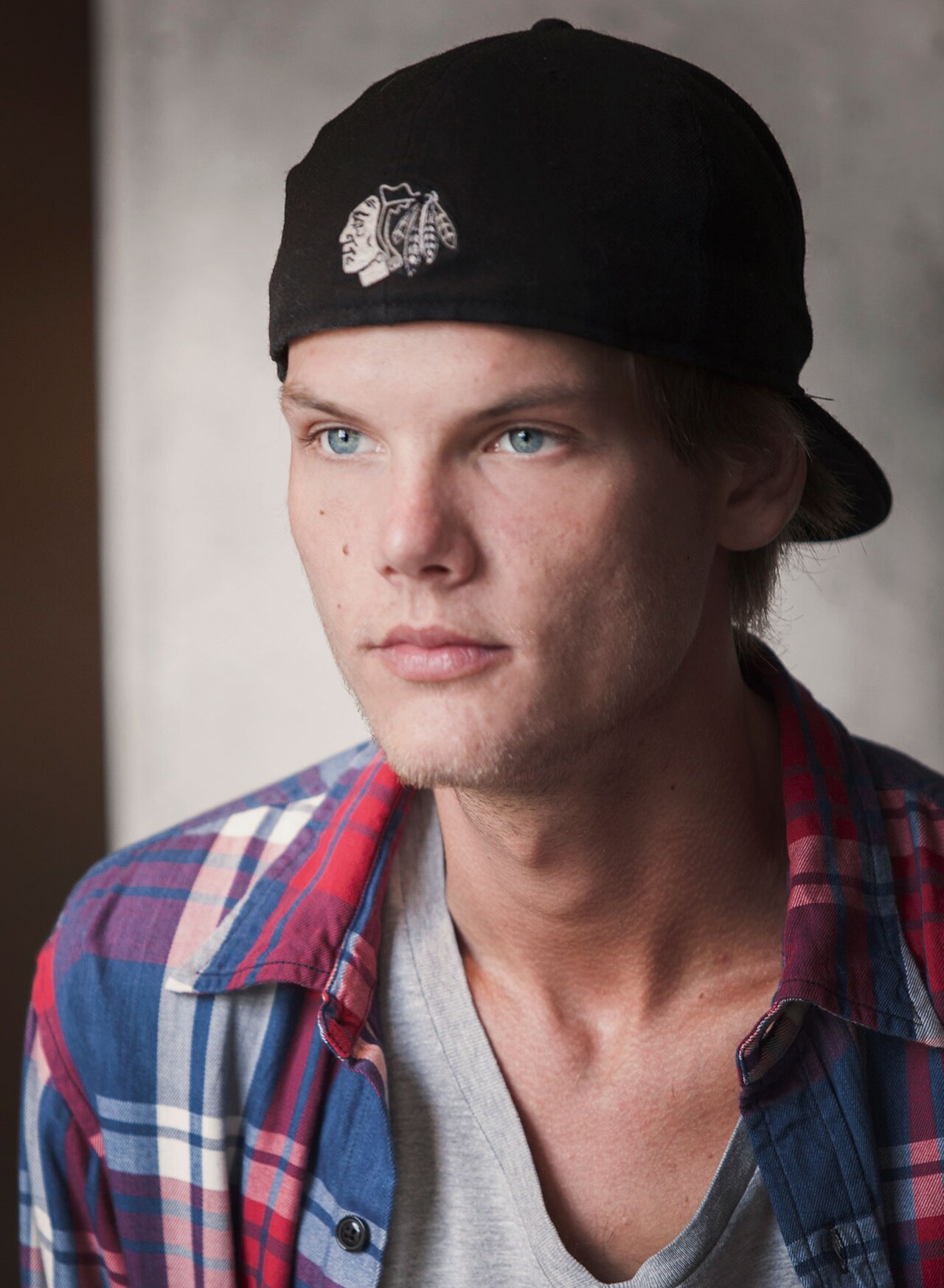
Avicii followed a similar path. Tim Bergling released some of his earliest tracks as Tim Berg, and also experimented under the names Tom Hangs and Timberman, before the Avicii project turned him into a global headliner. His early catalogue still surfaces from time to time, as with a legendary 2011 Avicii ID that fans hope to finally hear.
Porter Robinson rounds out this group. From 2005 to 2010 he made “hands up” music as Ekowraith on YAWA Recordings, a name that blends “echo” and “wraith,” after an even earlier handle, Bloodsphere. He only started releasing under his real name in 2010.
A new name for a new sound
For many artists, the rebrand marks a hard genre pivot. GORDO spent more than a decade as Carnage, a fixture of trap and bass. He launched the GORDO alias in 2021 with the single “KTM” and formally retired Carnage in May 2022, a move that mirrored his shift into house and Afro house.
Mau P made a comparable jump. Maurits Westveen chased big room EDM for eight years as Maurice West, sharing main stages at Ultra and Tomorrowland. In 2022 he reappeared as the tech house producer Mau P, and his debut “Drugs from Amsterdam” shot to number one on Beatport.
Charlotte de Witte took a different route to the same idea. She debuted in 2013 under the deliberately male alias Raving George, a choice meant to sidestep bias against female DJs. She dropped the name in 2015 and turned toward the dark, stripped back techno that made her a global headliner under her own name.
RL Grime built an entire progressive house catalogue as Clockwork on Dim Mak and Mad Decent, then opened the RL Grime project in late 2011 to explore trap and bass. Noizu did the inverse geographically. The English producer first released bass music under his real name, Jacob Plant, then rebranded as Noizu after moving to Los Angeles and committing to tech house.
When the past was a different stage entirely
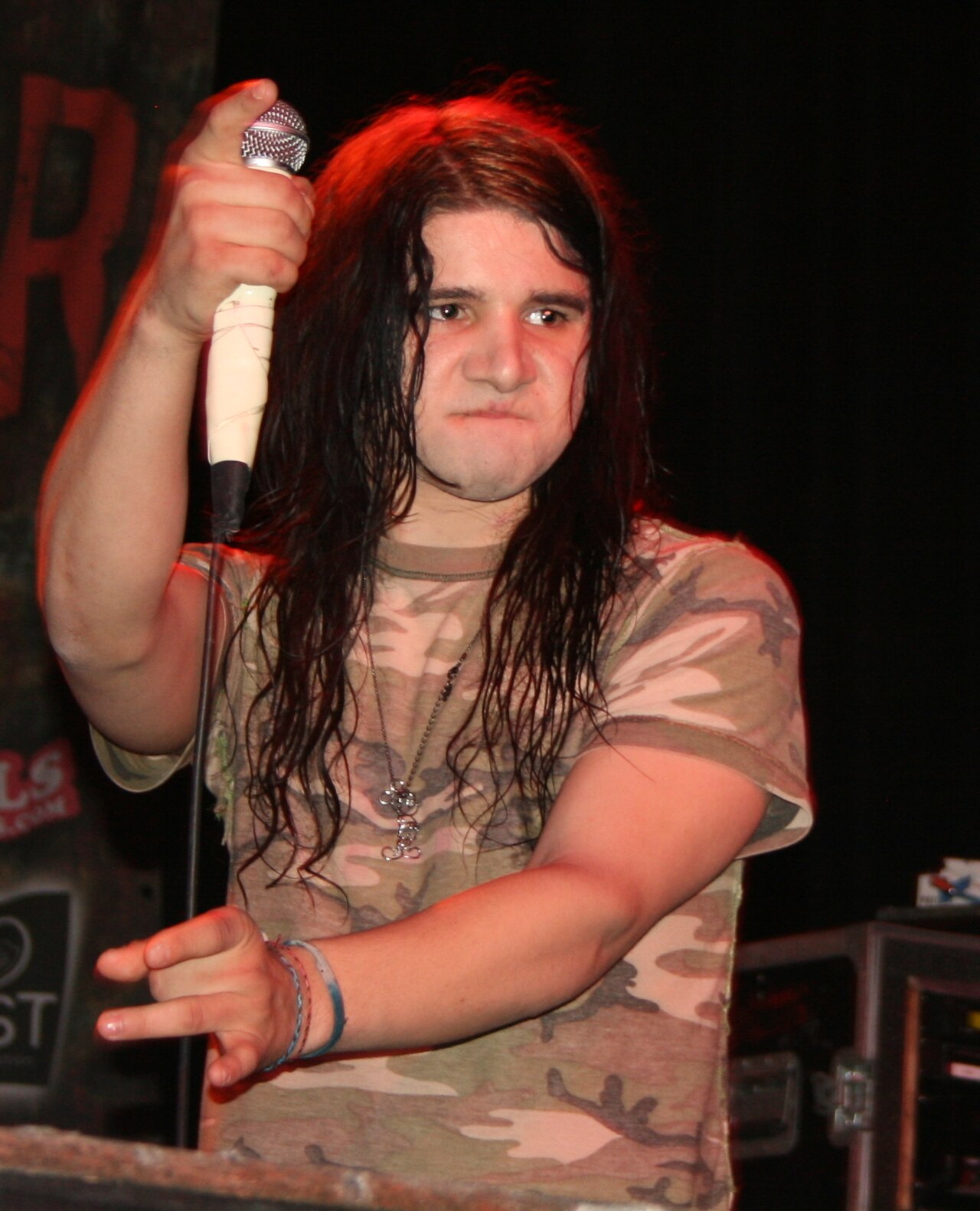
A couple of these stars did not just change names, they changed careers. Before the Grammys and the stadium drops, Skrillex was Sonny Moore, the lead vocalist of post hardcore band From First to Last from 2004. He left in 2007 after vocal surgery and built the solo project that became Skrillex.
Fisher came from a duo rather than a band. The Australian, a former professional surfer named Paul Fisher, was one half of Cut Snake alongside Leigh Sedley before going solo in 2018 with the platinum certified “Losing It.” Sedley still records under the Cut Snake name.
Forced rebrands and a dinosaur nickname
Not every change was voluntary. Deorro released his early work as TON!C until a trademark conflict with the rock band Tonic forced him to start over. He landed on Deorro, a play on his surname Orrosquieta and the Spanish phrase “de oro,” meaning of gold.
One entry on the original list deserves a correction. The viral version pairs Diplo with a former alias called “DJ Diplodocus,” but that overstates the story. Thomas Wesley Pentz never ran a separate act by that name. “Diplo” is simply a contraction of Diplodocus, a childhood nickname tied to a plastic dinosaur toy he loved, and the shortened version is the only stage name he has really used.
Why the old names disappear
What ties these DJ name changes together is timing. A new name usually arrives at the moment an artist stops experimenting and commits to a sound. Some switches were strategic, a few were forced, and others were just a better word on a flyer. The music outlived the old identities, which is exactly why most fans never knew they existed. For more on the places and moments that shaped this culture, read our look at the seven wonders of house music.