

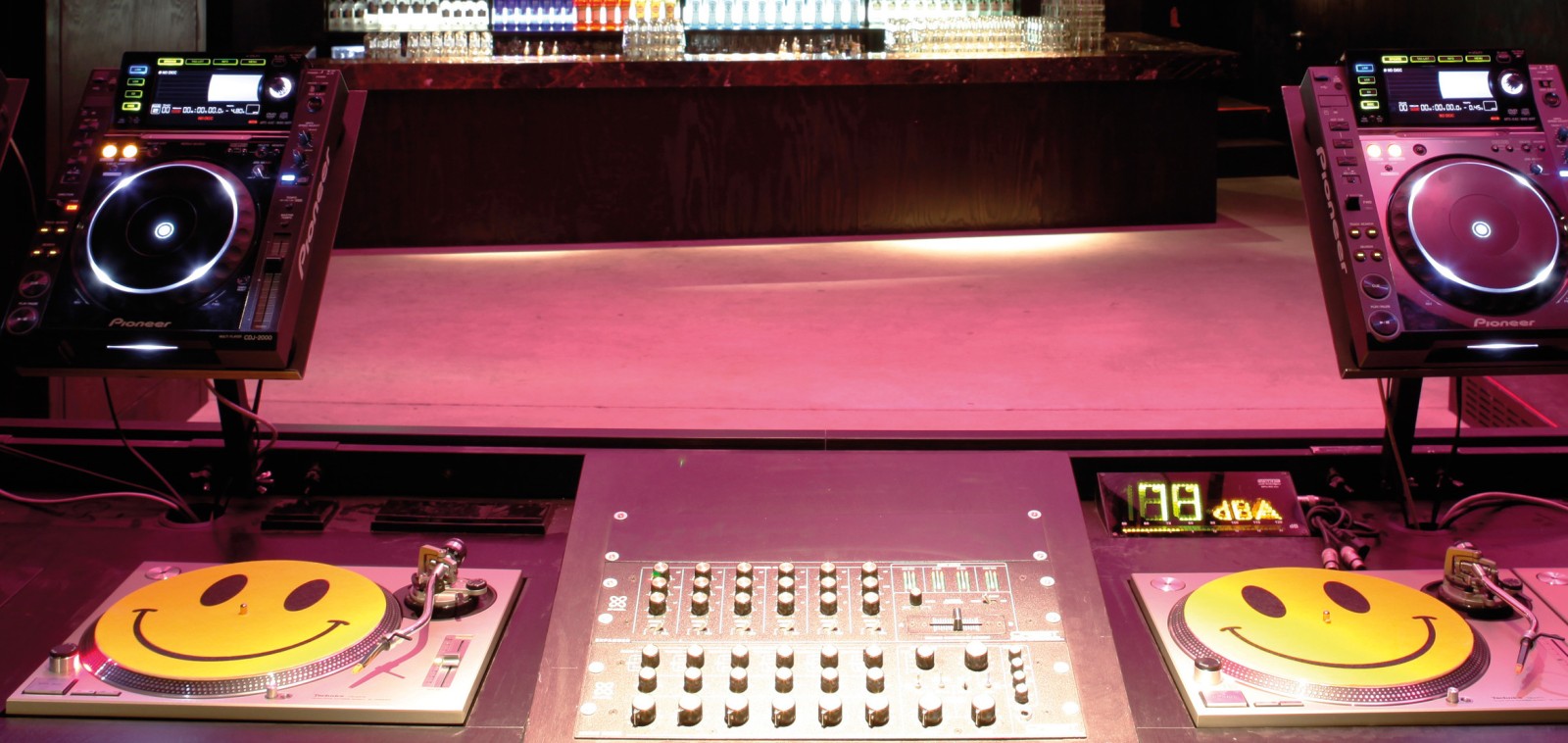
The history of house music is not the story of one inventor or one perfect record. It is a chain of moments, each a small revolution on a Chicago dancefloor or in a British field, that slowly turned a local club sound into a global language. A viral post from housemusic.us laid the timeline out, and the records and nights it picked still echo through every set today. Here are nine moments that built the genre, checked against the record and set in context.
1977: Frankie Knuckles becomes resident DJ at the Warehouse
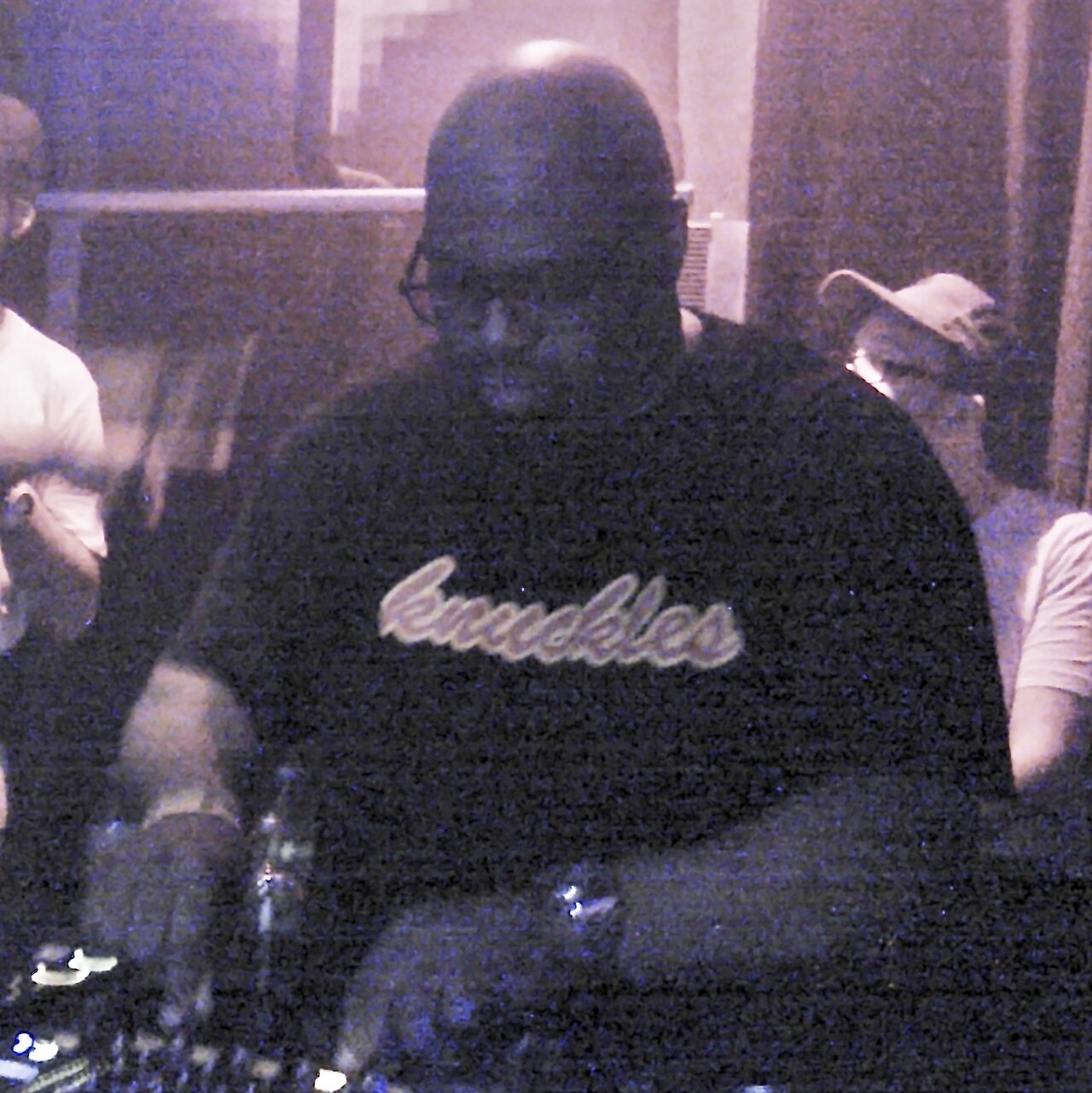
Frankie Knuckles moved from New York to Chicago in 1977 to take the resident slot at the Warehouse, a members club on the city’s near West Side built around a mostly Black and gay crowd. He wove disco, soul and European electronics into seamless, hypnotic sets, editing records on the fly to stretch the parts that kept the floor moving. Dancers started asking shops for the music they heard there, and the staff filed it under “house,” shorthand for the Warehouse. Knuckles held the residency until 1982, and the club was later designated a Chicago landmark as the birthplace of the genre. It remains one of the venues that defined house music.
1984: “On and On” becomes the first house record on vinyl
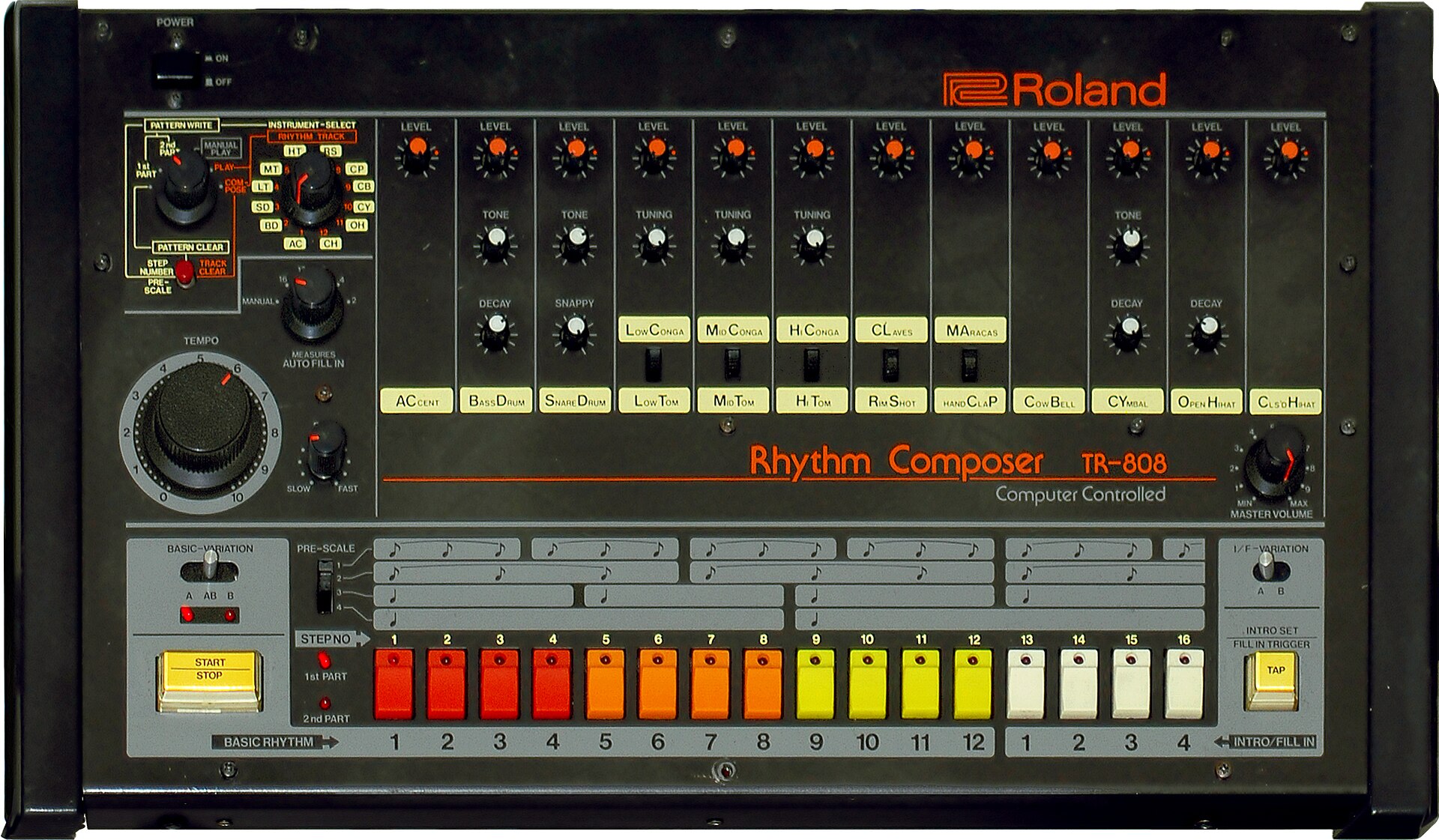
Jesse Saunders, working with Vince Lawrence, pressed “On and On” on his own Jes Say label in January 1984. Built on a Roland TR-808, a Korg bassline and a looping groove, it recreated a bootleg disco edit Saunders used to spin at the Playground club after his only copy went missing. It is widely credited as the first house track committed to vinyl, the point where the sound stopped being a DJ trick and became a record anyone could buy and copy.
1985: Ron Hardy debuts the track that became “Acid Tracks”
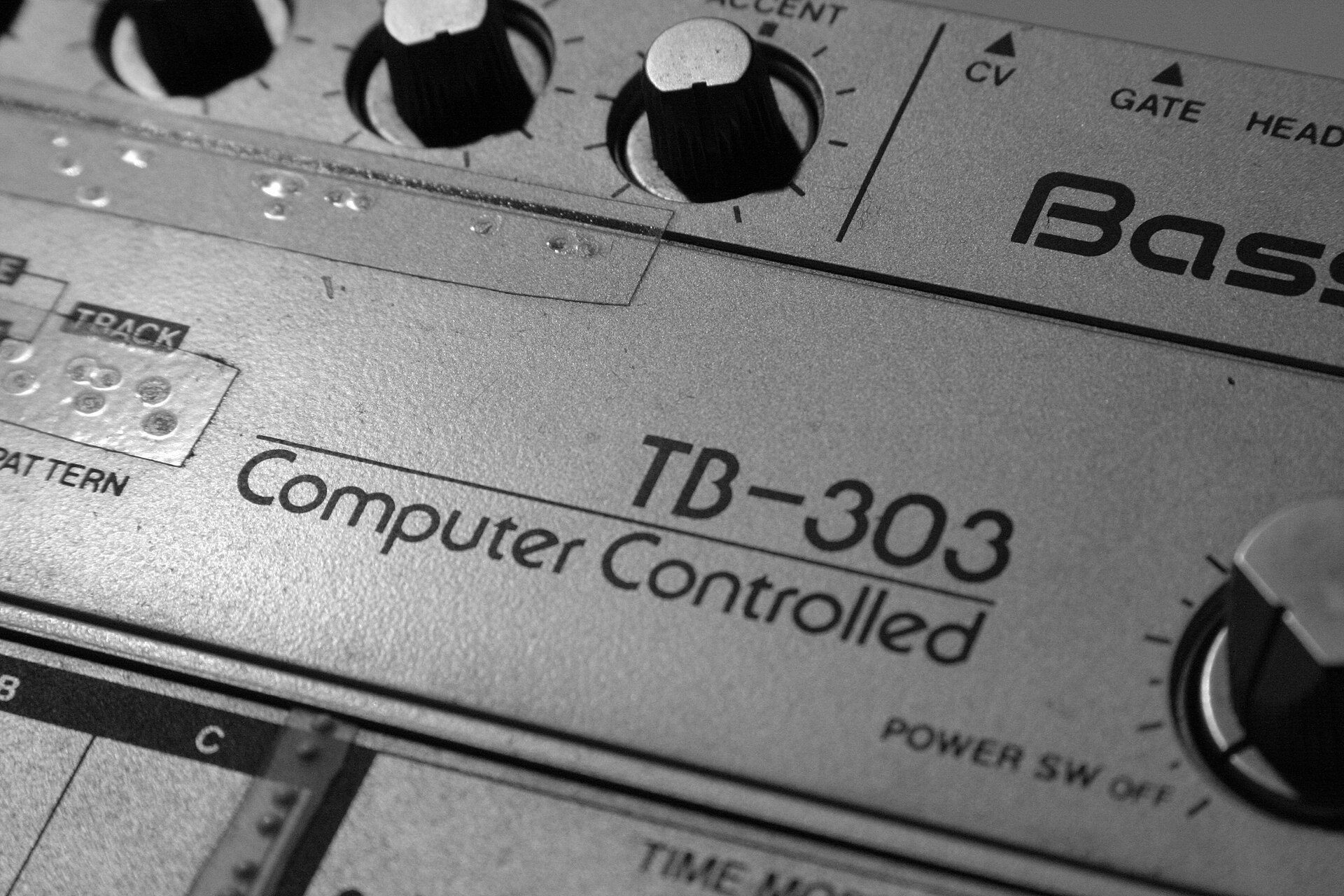
At the Music Box, DJ Ron Hardy played a cassette handed to him by Phuture, the trio of DJ Pierre, Spanky and Herb Jackson. The squelching Roland TB-303 line cleared the floor the first two times he dropped it. By the fourth play of the night the room belonged to it. Dancers called the mystery cut “Ron Hardy’s Acid Track,” and the name stuck. One correction worth noting: Hardy debuted it in 1985, but Phuture only released “Acid Tracks” officially on Trax Records in 1987, the version that became the blueprint for acid house.
1986: “Move Your Body” gives house a piano
Marshall Jefferson’s “Move Your Body,” released by Trax in 1986, was the first house record to push a piano to the front. Jefferson wanted something to drive the track forward, and the keys did exactly that. He even added the subtitle “The House Music Anthem” after a label boss insisted the song was not house at all. Rolling Stone later pointed to its melody as the piano line imitated for decades. Piano house was born, and Jefferson earned a lasting title as its father.
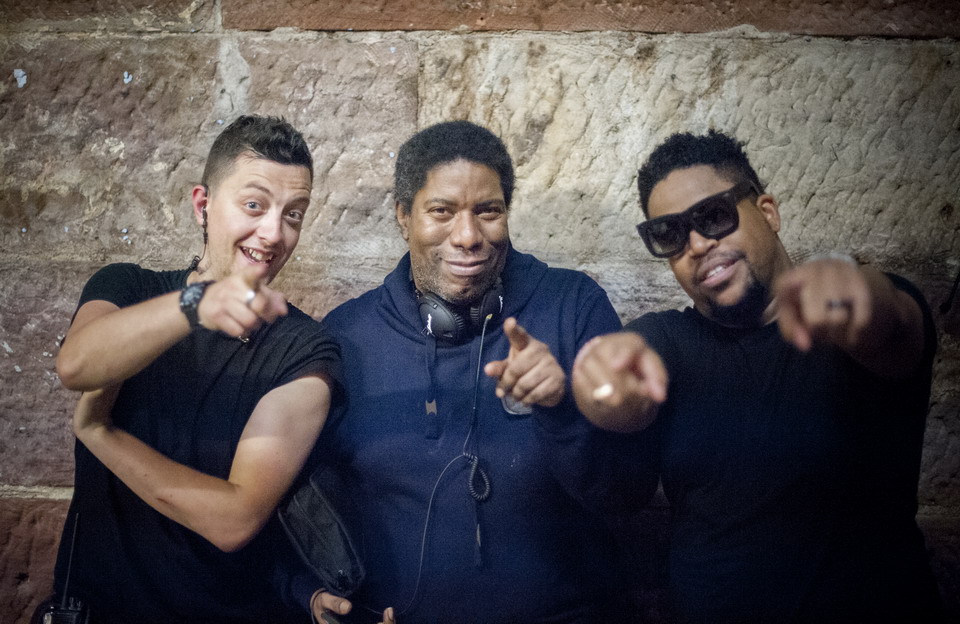
1987: “Jack Your Body” reaches number one in the UK
Steve “Silk” Hurley’s “Jack Your Body” topped the UK singles chart for two weeks in January 1987, the first house record to reach the top spot in Britain. It got there on the strength of 12 inch sales and club play, with almost no support from daytime radio. For a sound born in Chicago basements, a British number one was undeniable proof that house could cross over into the mainstream without losing its underground roots.
1988: the Second Summer of Love
In 1988 the Chicago sound became a British movement. Acid house and the rise of MDMA fuelled an explosion in youth culture, with clubs like Shoom, Spectrum and the Haçienda joined by unlicensed warehouse and field raves around London, Manchester, Nottingham and Blackburn. The yellow smiley face became the flag of the scene, and the tabloids made it their target. What began as a handful of London nights spread into mass gatherings across the country, reshaping a generation of British nightlife.
1989: “French Kiss” proves house can travel
Lil Louis released “French Kiss” in 1989, and it went much further than any Chicago label could have planned. Built on a groove that slows almost to a halt before surging back, it spent two weeks at number one on the US dance chart, reached number two in the UK and entered the top five across ten European countries. Pete Tong later called its riff one of the most important ever written in house. The record showed the sound could dominate far beyond the city that made it.

1993: “Show Me Love” sets the standard for vocal house
Robin S first released “Show Me Love” in 1990, but the version the world knows arrived a little later. Swedish producer StoneBridge built a remix around her vocal and an unmistakable organ stab, and it broke worldwide in 1993, reaching the US top five and number six in the UK. A note on the timeline: the original came out three years before the hit, so the famous 1993 breakthrough was really a remix finding its moment. It set a template for vocal house that producers still chase.
1998: “Music Sounds Better with You” and the French house takeover
Stardust, the short lived trio of Daft Punk’s Thomas Bangalter, Alan Braxe and singer Benjamin Diamond, released “Music Sounds Better with You” in 1998. A single filtered disco loop, looped and lifted into something euphoric, it reached number two in the UK and came to define the glossy French house era. Bangalter reportedly turned down a multi million dollar offer to make a full Stardust album. The group never released another record, which only sharpened the song’s legend.
The thread that connects them
From a West Side club in 1977 to a Paris studio in 1998, house grew by absorbing everything around it: disco, soul, cheap drum machines, new cities and new crowds. It carried the spirit of disco rooms like Studio 54 into the machine age, then handed it back to the world bigger than before. The records change with each decade, but the steady four to the floor pulse running through all nine of these moments does not. That is the real story in the history of house music: not one birth, but a sound that keeps being reinvented on the dancefloor.
Cover and inline images via Wikimedia Commons under their respective Creative Commons licenses, as credited in each caption.