
Every genre has its landmarks, and house music has dancefloors. The buildings, sound systems and late-night institutions that shaped the genre are as important as any record, and a viral post from housemusic.us just turned that idea into a list worth arguing about. If house music had seven wonders of house music, which temples of the genre would make the cut? Some changed the sound. Others changed the culture. Here are the seven that made the list, along with the storm of opinions that followed.
1. The Warehouse, Chicago, USA
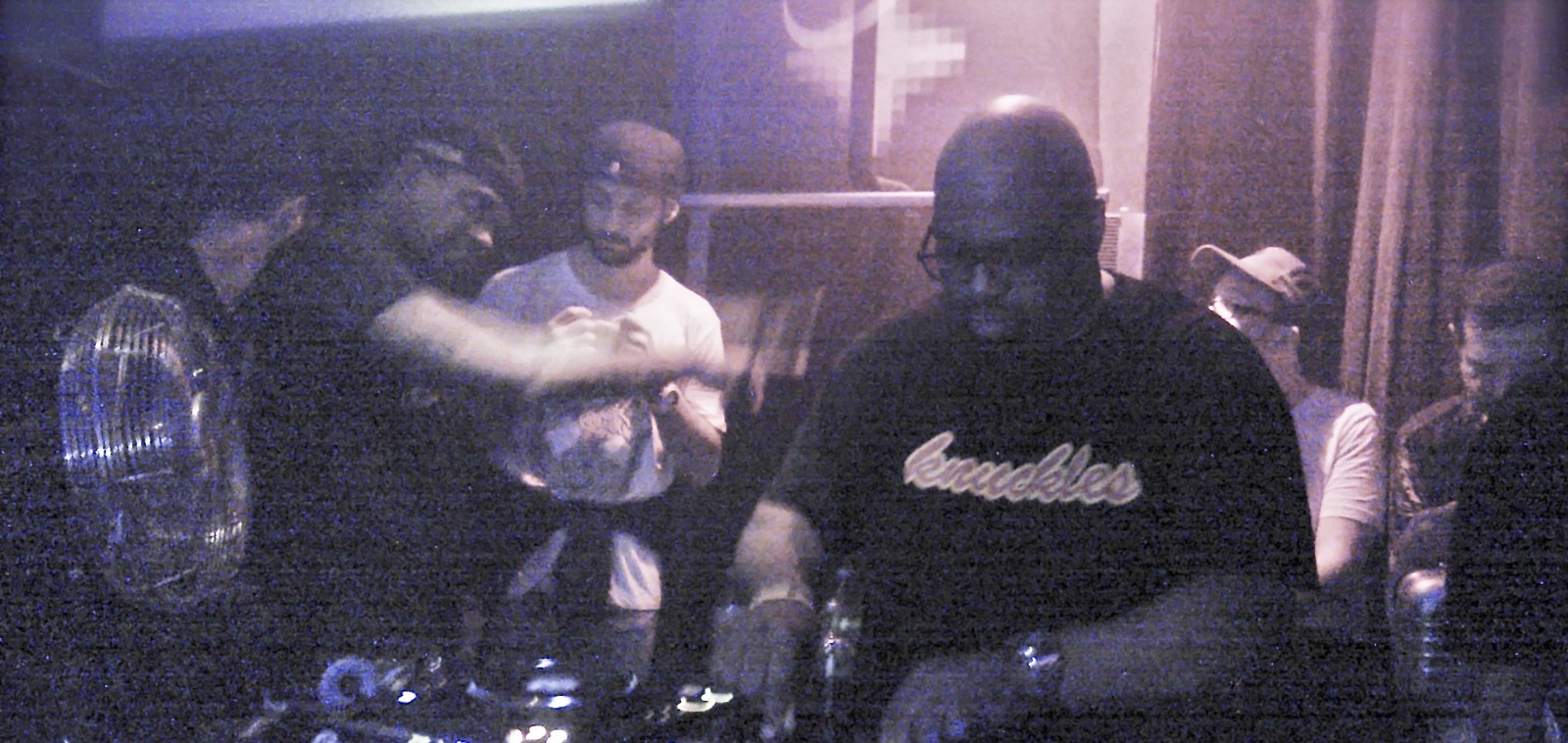
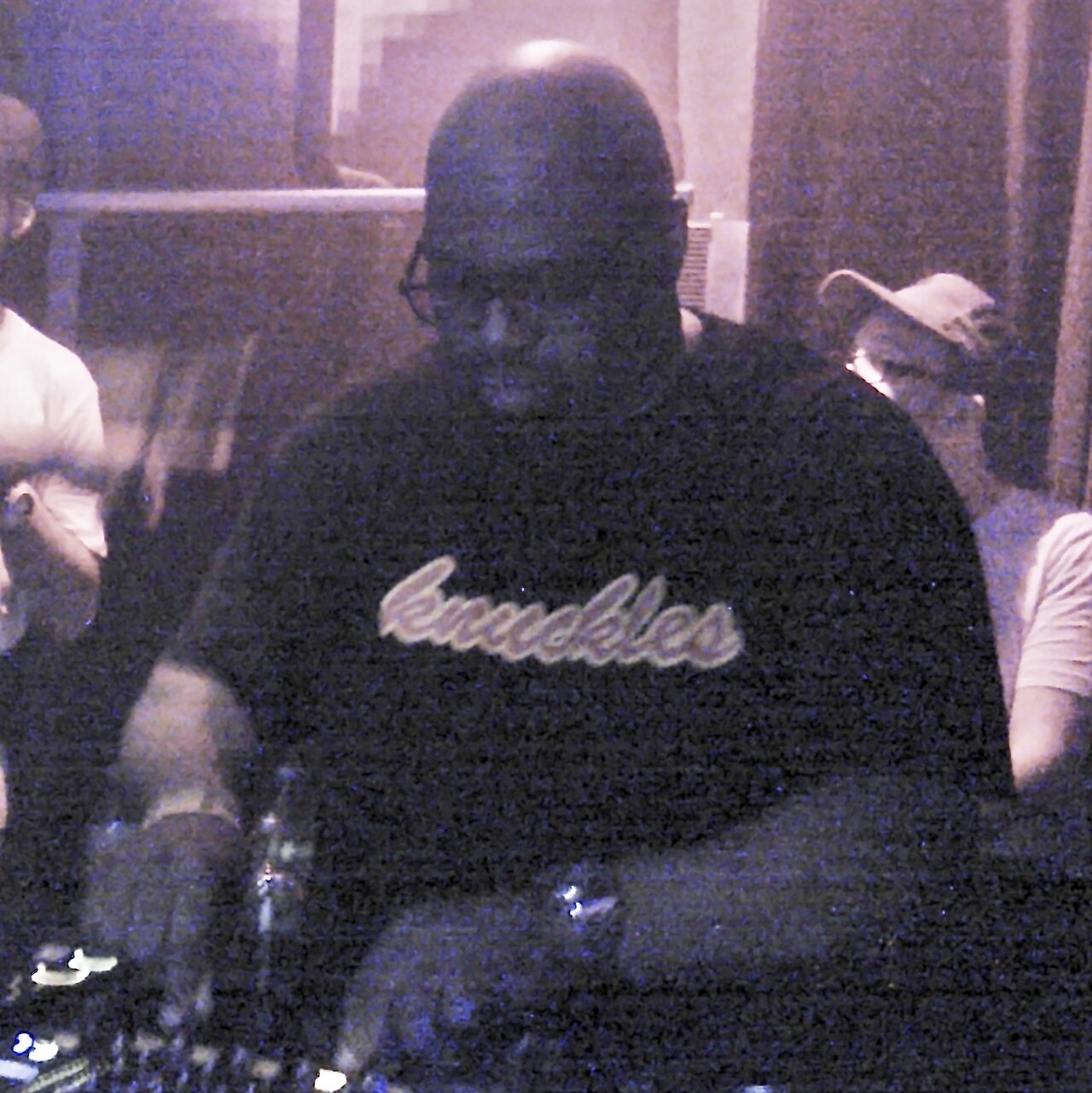
You cannot tell this story without starting here. The Warehouse is the birthplace of house music, the Chicago club where resident DJ Frankie Knuckles spun disco, soul and electronic edits for a mostly Black and queer crowd in the late 1970s and early 1980s. The legend is baked into the name itself: “house” is widely traced back to the music played at The Warehouse. As a foundation stone of the seven wonders of house music, nothing else comes close to its origin story weight.
2. Paradise Garage, New York City, USA
If Chicago gave house its name, New York gave it a cathedral. The Paradise Garage, home to Larry Levan’s marathon sets, was one of the most influential dancefloors ever built: a members only, no alcohol, all about the music space whose sound system became the gold standard. The “Garage” in garage house points straight back to this room. Its blend of disco, dub and proto house DNA rippled outward into everything that followed.
3. Pacha Ibiza, Ibiza, Spain
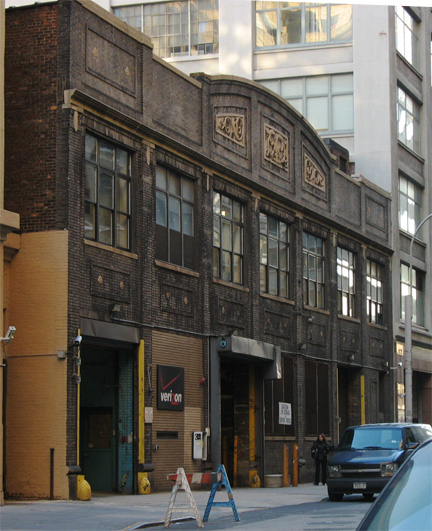
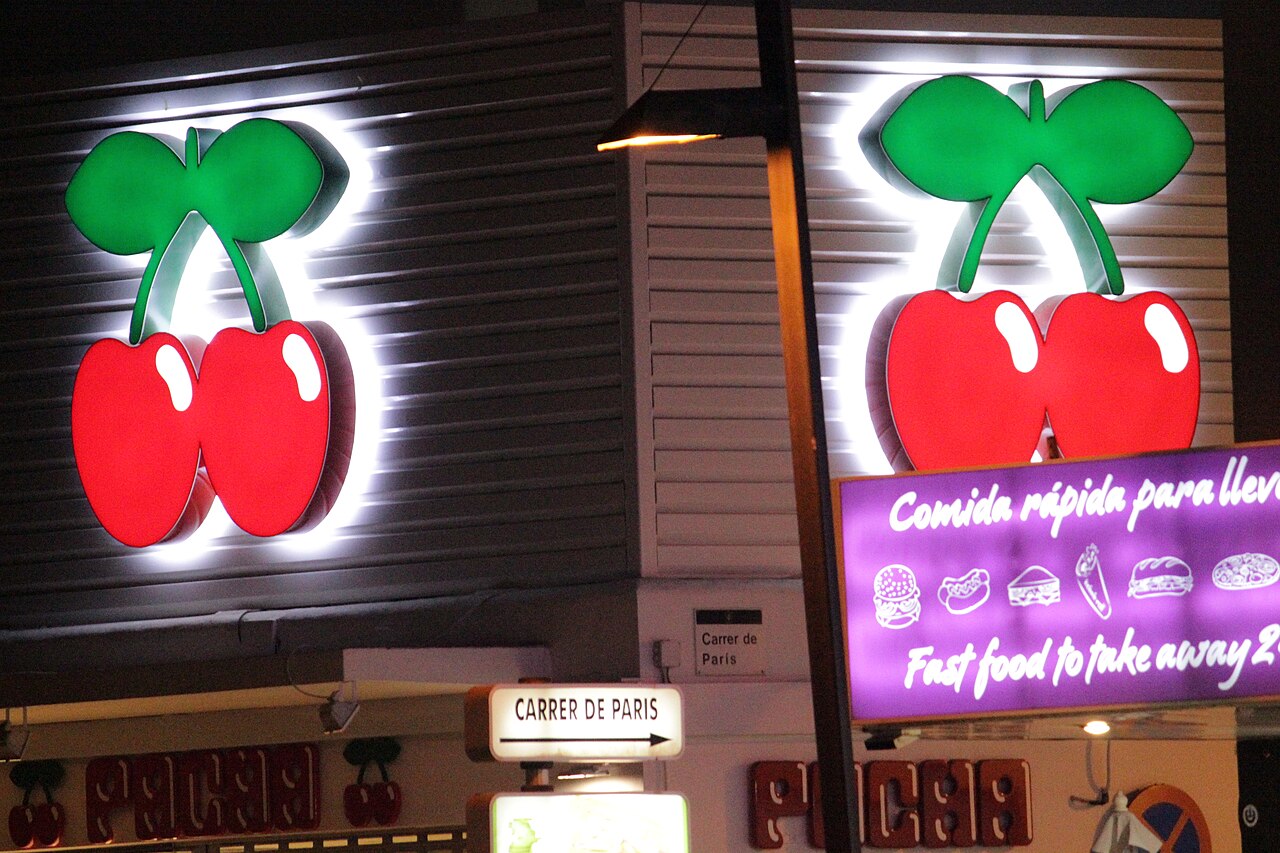
From the underground rooms of the US to the white island of the Mediterranean, Pacha Ibiza is one of the most iconic clubs in dance music history. Opened in 1973 and crowned by its famous twin cherries logo, Pacha helped turn Ibiza into the global capital of clubbing, hosting residencies and parties that defined the island’s golden eras. It is the glamour and longevity entry on this list of the seven wonders of house music.
4. Space Ibiza, Ibiza, Spain
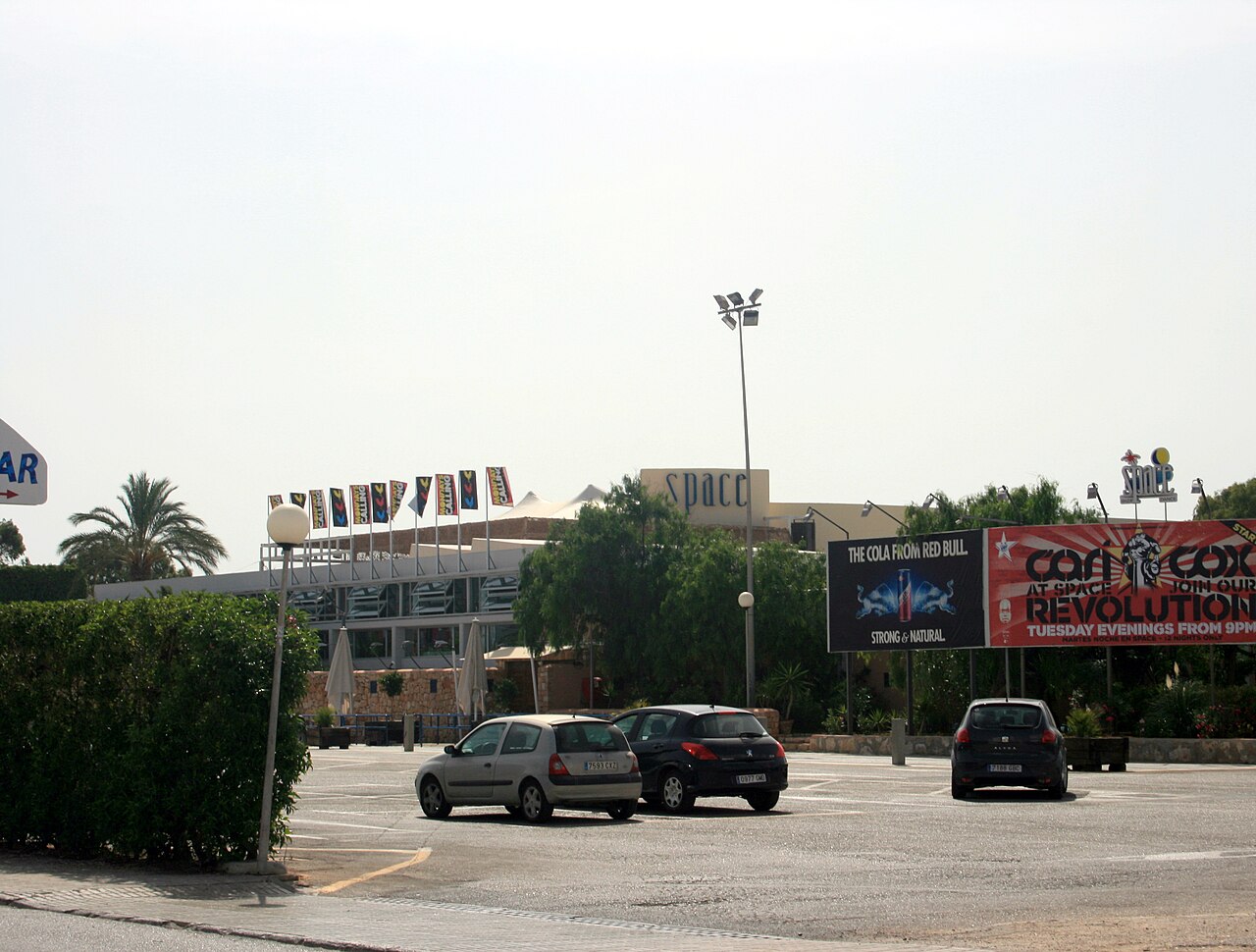
Few rooms defined an era the way Space Ibiza did. Famous for its open air terrace, daytime sessions and the roar of planes passing low overhead, Space became a rite of passage for ravers and a launchpad for residencies that shaped modern house and techno. When it closed its doors in 2016 after nearly three decades, the global dance community treated it like the end of a chapter, a sign of how deeply one venue can mark a culture.
5. Ministry of Sound, London, UK
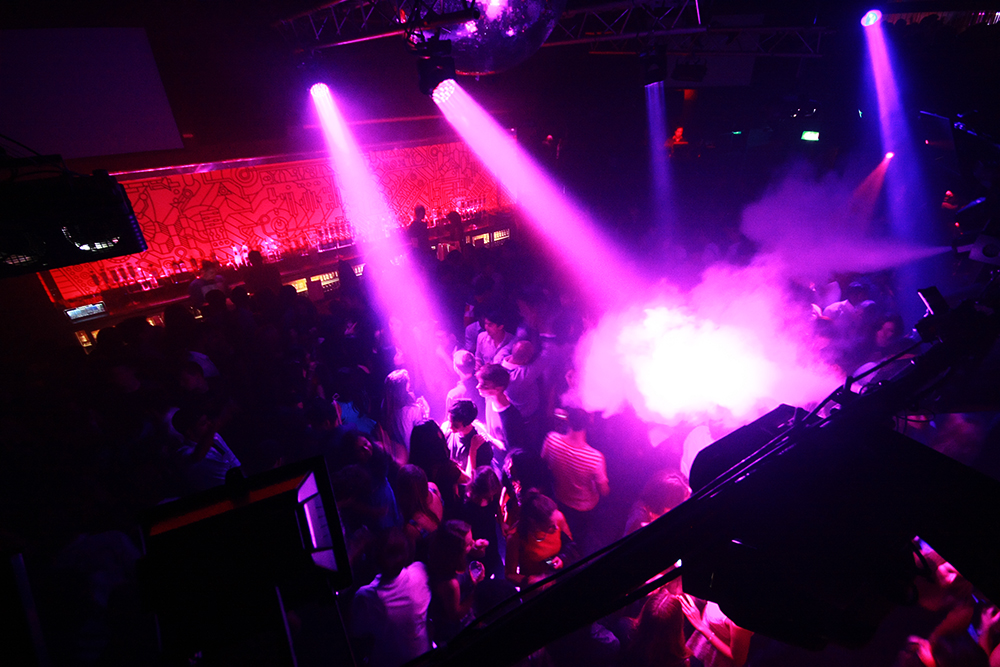
Britain’s contribution to the list is a global symbol of club culture. Ministry of Sound opened in 1991 in London with a then radical idea: build the club around the sound system, not the bar. It grew far beyond its four walls into a record label, compilation empire and brand recognised worldwide, exporting UK club culture across the planet. It is the institution that became an empire among the seven wonders of house music.
6. DC-10, Ibiza, Spain
Back to Ibiza, but to its rawer side. DC-10 is the spiritual home of underground Ibiza: a stripped back, sweat soaked club near the airport best known for its legendary Circoloco parties. Where some venues sell spectacle, DC-10 sells intensity: low ceilings, serious selectors and a crowd that comes to dance. It represents the credibility wing of the modern Ibiza scene.
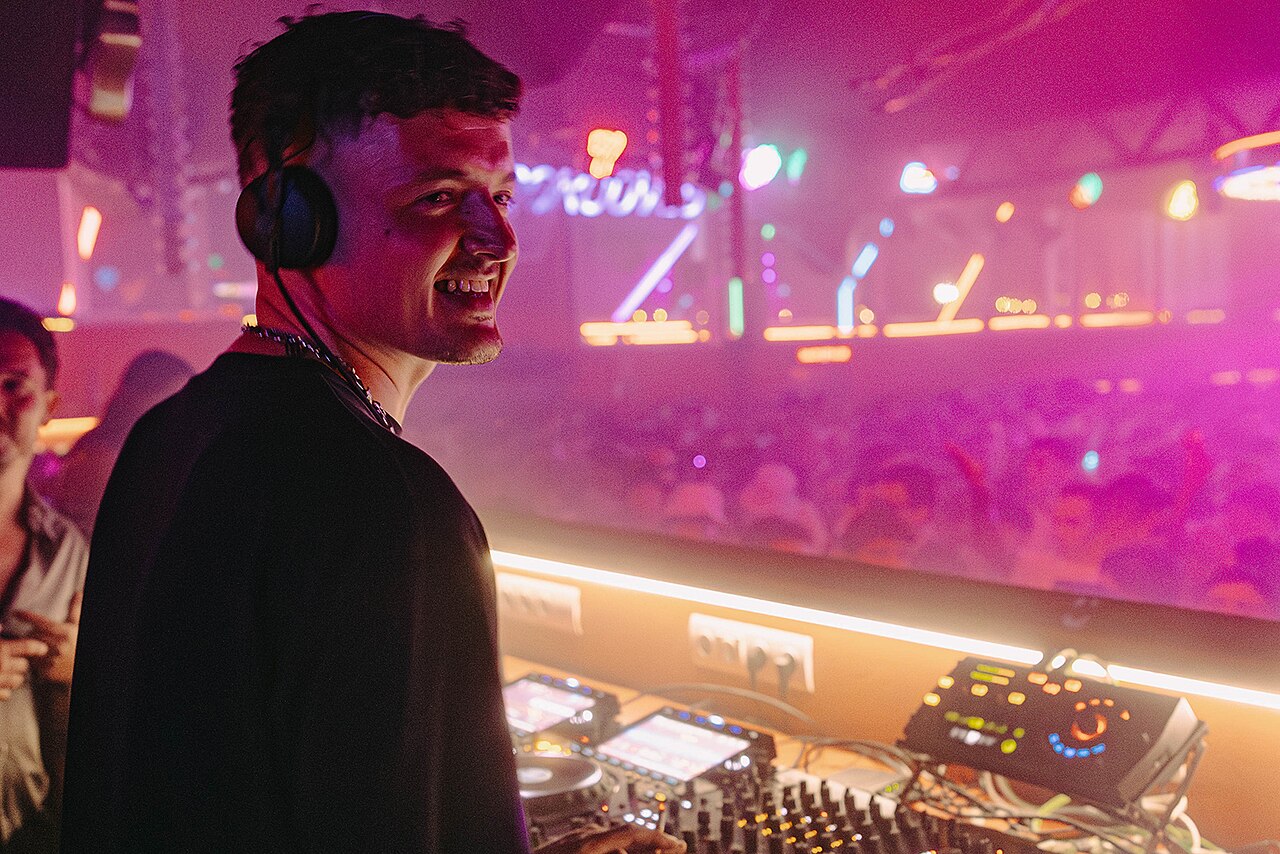
7. Hï Ibiza, Ibiza, Spain
The most recent wonder is also the most futuristic. Hï Ibiza, built on the former site of Space, sets the modern standard for the club experience: cutting edge production, immersive sound and headline residencies that draw the world’s biggest DJs. Routinely topping “best club” polls since opening in 2017, Hï closes the list by showing where the genre’s live experience is heading next.

The debate: what did the seven wonders of house music miss?
Any list this bold is really an invitation to argue, and the comments delivered. The most common objection was geographic balance. With the original sound born in Chicago, New York and New Jersey, many felt US landmarks were underrepresented while Ibiza claimed four of the seven slots. The names came flooding in. Commenters pointed to The Music Box and Ron Hardy in Chicago, the Loft and the Shelter in New York, Club Zanzibar in Newark, and Manchester’s Haçienda, the club that detonated acid house in the UK. Others called out Sound Factory, Twilo, Limelight and the Roxy in New York, Stereo in Montreal, and Miami’s Club Space.
That tension is the point. A list of the seven wonders of house music can never be definitive, because the genre’s history is bigger than any seven rooms. What it can do is start the conversation, and remind everyone that house music was built on dancefloors, by communities, in real places that still echo today.
So, what did they miss?
That is the question housemusic.us left hanging, and it is yours to answer. Whether you would swap Hï for the Haçienda or hold a slot for the Music Box, the seven wonders of house music are less a final ranking than a love letter to the spaces that made the genre what it is. The dancefloor, after all, was always the first instrument.
All images via Wikimedia Commons under their respective Creative Commons or public domain licenses, as credited in each caption.