

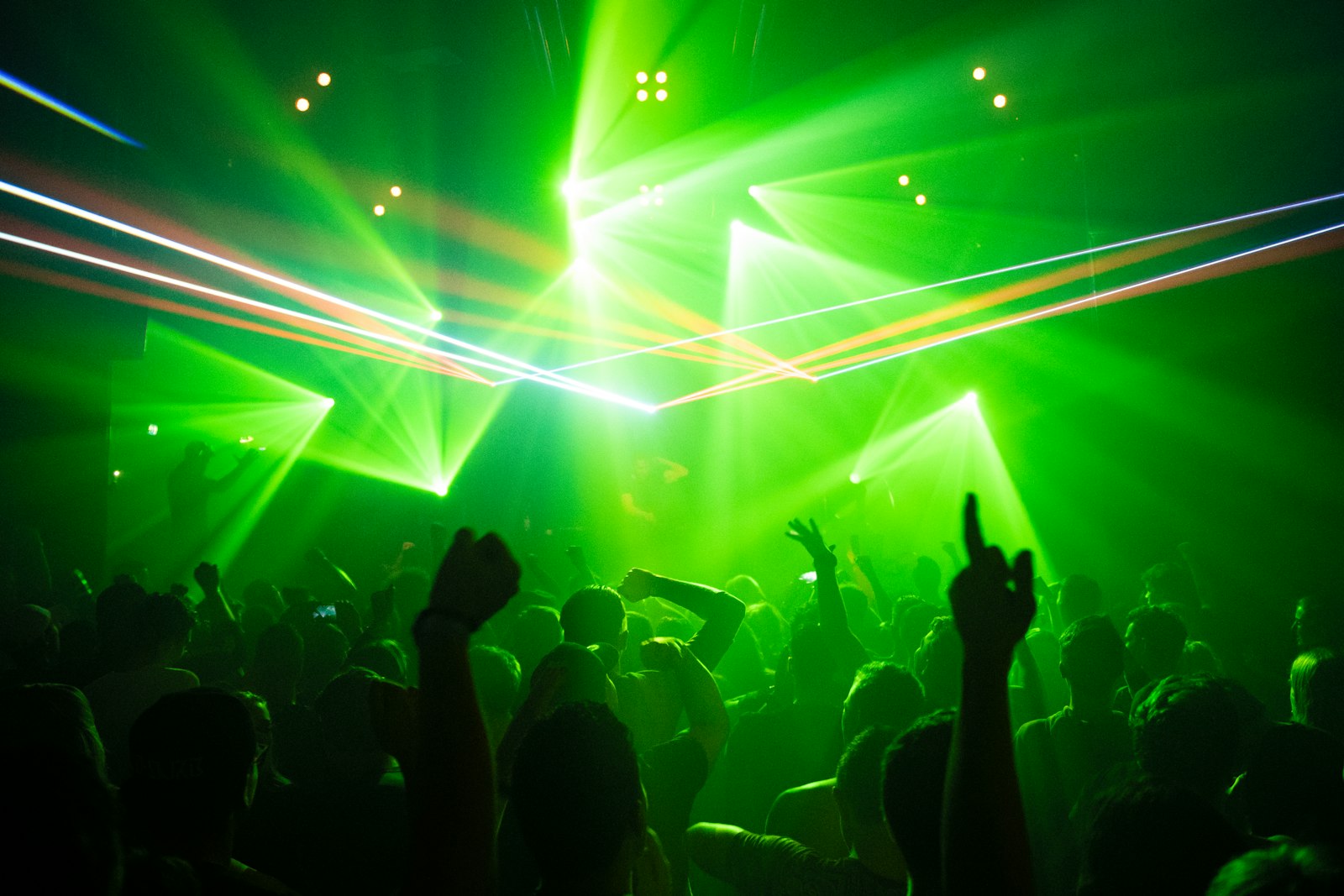
Ask the internet about Gen Z club culture right now and you will not get a quiet answer. A recent round of anonymous opinions gathered from Gen Z clubgoers and nightlife regulars has reignited a familiar debate: has the party scene actually slowed down, or are people just showing up differently?
The responses, collected by The Mercer Edition, painted a blunt, occasionally hilarious and surprisingly self-aware picture of where nightlife stands. Whether you agree with them or not, they keep circling the same question: has going out become more about being seen than about having fun?
“Let’s all get messy and trashy together”
The first recurring complaint is that everyone is playing it too safe. As one response put it:
“Everybody is too clean cut and concerned with other people’s perceptions of them. It sucks to be the only one on the dance floor. Let’s all get messy and trashy together!”
It is a sentiment that cuts to the heart of the Gen Z club culture conversation: the fear of looking uncool has, ironically, made a lot of dancefloors more self-conscious and less free. Letting go is harder when you suspect someone is filming.

Being seen vs. actually connecting
A second thread is about what nightlife is even for anymore:
“Club culture used to be about genuine community and shared experiences, now it feels like people are more focused on being seen than actually connecting or having fun.”
This is the emotional core of the whole discussion. The complaint is not really about Gen Z as a generation; it is about what phones, social media and the pressure to perform have done to a space that was historically about losing yourself in a crowd, not documenting it.

The “climbing on furniture to film” problem
Some of the sharpest takes were also the funniest. One clubgoer zeroed in on a very specific modern annoyance:
“First of all there are way too many guys at the club. Everywhere I go, a tall ass guy is pushing me, a 5’2 girl, trying to get on some elevated surface for a video, and it completely kills the vibe.”
The image of people scrambling onto any raised surface to capture content has become shorthand for everything critics dislike about the current scene. It is the moment the night stops being a shared experience and turns into a backdrop.
When nightlife gets too “businessy”
Then there is the sense that everyone now arrives with an agenda:
“My biggest issue with nightlife right now: it’s become so businessy. Nobody wants to go out without an agenda. Everyone wants to be the DJ, the host, the curator, the promoter, etc.”
When every attendee is also building a brand, the spontaneous, no-strings energy that defined classic club culture can feel like it is in short supply. Going out becomes networking with a soundtrack.

So, is Gen Z right about club culture?
It is worth remembering these are anonymous opinions, not hard data, and the reaction to them was just as telling as the takes themselves. Older clubbers chimed in with nostalgia for “undocumented nights out” and the pre-smartphone era, while others pushed back that every generation thinks it invented the night out. A few simply repeated the rallying cry that keeps coming up: no phone policy.
The truth is probably somewhere in the middle. Nightlife has not died; it has changed shape, shaped by the same forces reshaping everything else. But the fact that Gen Z club culture is being interrogated this openly, by the people living it, suggests the appetite for genuine, phone-down, messy-in-a-good-way nights is very much still there. For more on how the scene keeps reinventing itself, browse our culture coverage.
Maybe the answer to “has the party slowed down?” is simpler than it looks: put the phone away, get on the dancefloor, and let everyone else worry about the content.