
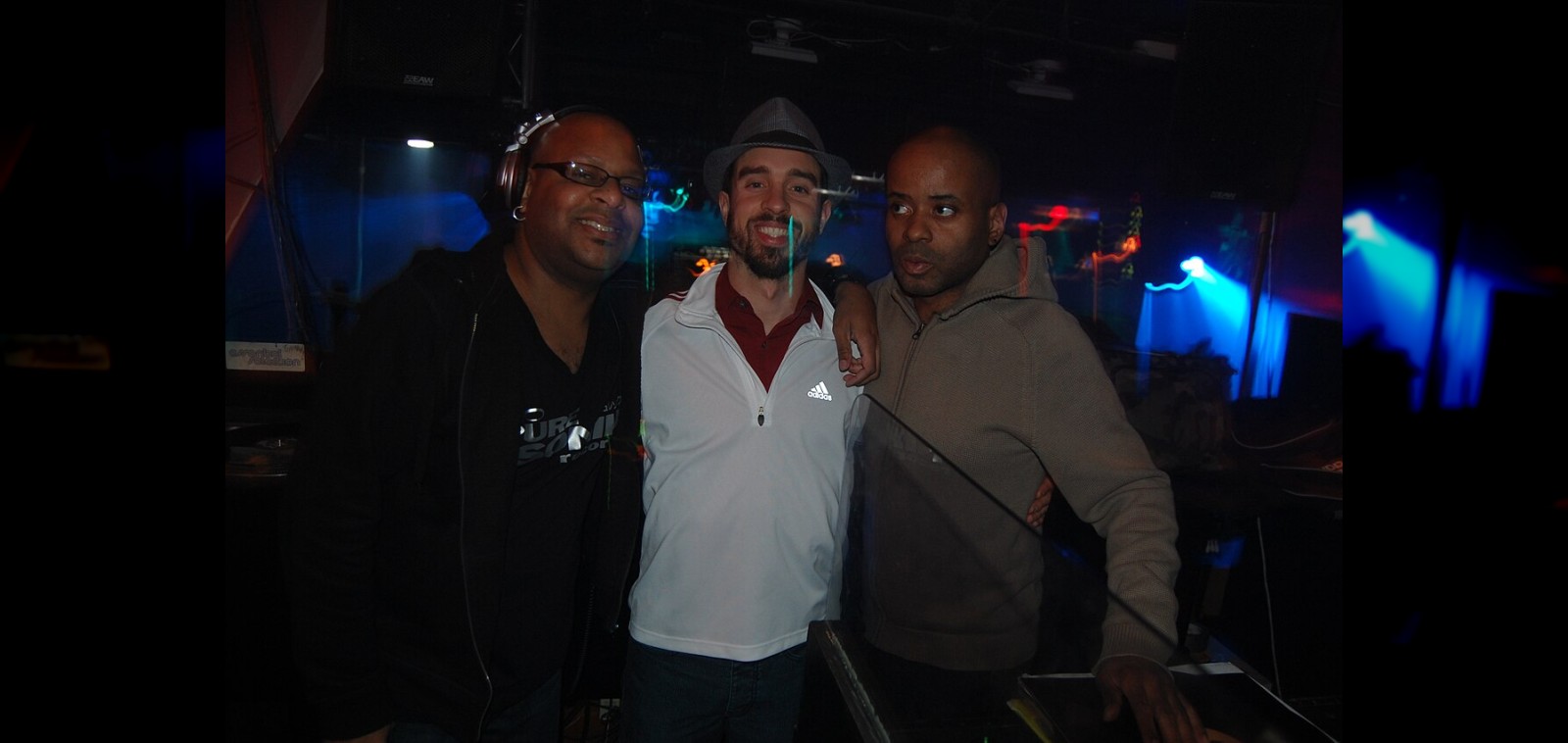
Juan Atkins dies at 64, and techno loses the man who named it. The Detroit producer, DJ and Metroplex founder was found unresponsive in his hotel room in Mexico City ahead of a scheduled October 31 performance at YuYu Cine Club, and was pronounced dead after being taken to hospital. His agency, Greensmith Artists, shared the news on Sunday, November 1, and a representative confirmed the details to Resident Advisor. No cause of death has been made public.
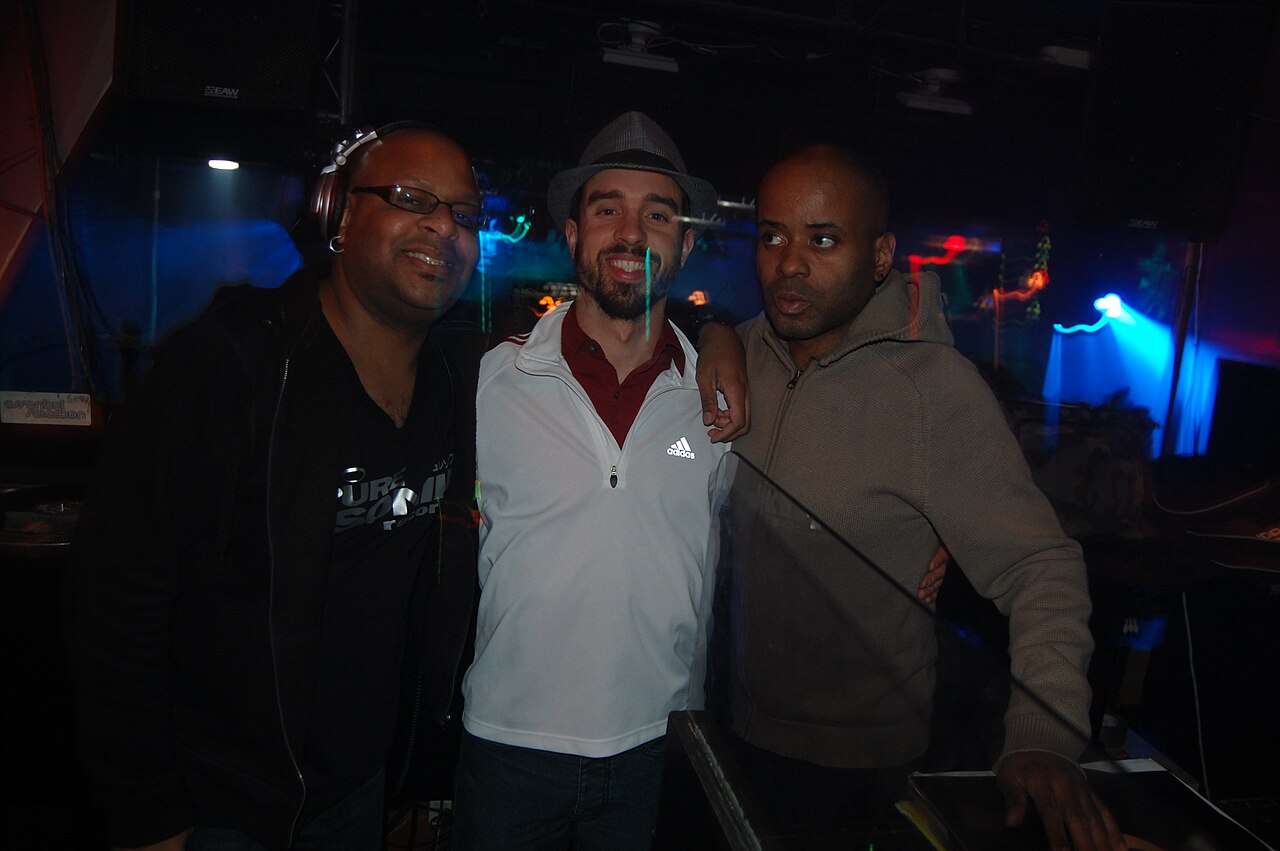
Atkins was still working right up to the end, booked for a Halloween night set in a city that has embraced Detroit techno for decades. That is part of what makes the news land so hard: this was not a retired figure from the history books, but an active artist on tour when he died.
How Juan Atkins died: what we know
The confirmed facts are limited. Reports from Mixmag, Complex and Exclaim agree on the core account: Atkins was discovered unresponsive at his Mexico City hotel before his YuYu Cine Club booking and died in hospital shortly afterwards. Officials have not released a cause of death, and no exact time of death has been stated publicly.
There is one small discrepancy in early coverage. The Daily Beast gave his birth year as 1964, while Complex, Exclaim and most reference sources list September 12, 1962. The 1962 date is consistent with the age of 64 reported everywhere, so we use it here.
The Belleville Three and the birth of Detroit techno
Atkins was born in Detroit and moved to Belleville, Michigan, as a child after his parents separated. He played guitar and bass in funk bands as a kid and bought his first synthesizer, a Korg MS 10, at 15. The influences he cited were a very Detroit mix: Kraftwerk, Parliament Funkadelic, futurist writer Alvin Toffler and, above all, the late night radio shows of The Electrifying Mojo, where he first heard Kraftwerk around 1978 or 1979.
In junior high in Belleville he met Derrick May and Kevin Saunderson. The three shared gear, studio time and ideas, and as the Belleville Three they built the foundation of what the world would come to know as Detroit techno. May would go on to found Transmat and Saunderson KMS, but Atkins was the one who went first.

Cybotron, Model 500 and the records that built a genre
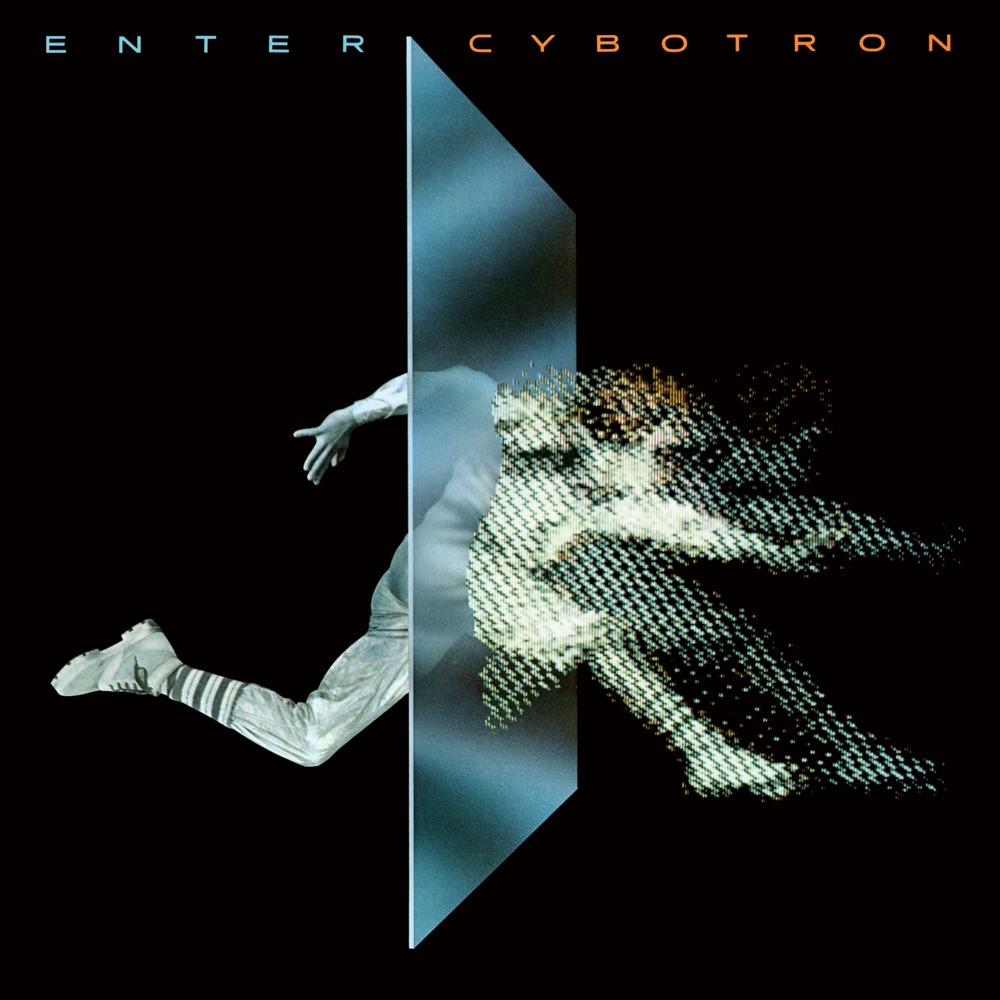
In 1980 Atkins formed Cybotron with Richard “3070” Davis. Their 1983 single “Clear,” from the album Enter, became a landmark of electro and early techno, reportedly selling around 50,000 copies, and was later sampled by Missy Elliott. AllMusic critic John Bush has called it the easiest pick for the genesis of techno.
When Cybotron split in 1985, Atkins launched his own label, Metroplex, and released “No UFO’s” under the name Model 500. Lean, mechanical and funky at the same time, it became one of the records that carried the Detroit sound to Europe. Three years later his track “Techno Music” appeared on the 1988 Virgin compilation Techno! The New Dance Sound Of Detroit, the release that gave the genre the name it still carries.

He went on to record as Infiniti, released the Model 500 album Deep Space in 1995, and in the 2010s joined forces with Berlin’s Moritz von Oswald as Borderland, releasing two albums on Tresor. In a 2024 interview with The Guardian he summed up his approach: “I feel like artists have an obligation to say something meaningful.”

Tributes from Kevin Saunderson and the scene
The first tribute that resonated came from inside the circle. Kevin Saunderson called Atkins his brother on Instagram, writing: “Juan was the originator of Techno, a true visionary who opened the door for so many of us, myself included.” He also recalled that Atkins showed him how to finish his first record, “Triangle of Love,” a lesson he said still means a great deal to him.
Since the news broke, the response from DJs, labels and fans has been immediate and global, with Mixmag, DJ Mag, Rolling Stone and The Quietus all running obituaries within a day. For a scene that lost New Jersey house figure Cevin Fisher only days earlier, it has been a heavy week.
Why Juan Atkins mattered to house and techno
Techno has many architects, but Atkins drew the first blueprint. Cybotron proved that two musicians in a struggling industrial city could build futuristic machine music out of funk and European synth pop, and Model 500 turned that idea into a format DJs could play. Every Berlin warehouse, every Ibiza terrace set that leans on a 909 and every crowd that once filled the Love Parade owes something to the records he made in Michigan in the early eighties.
He never chased crossover fame. Instead he kept performing, from New York to Berlin and at festivals including Movement in Detroit, Dekmantel in Amsterdam and Houghton in England, playing the music he invented to generations who were not born when “No UFO’s” came out.

What happens next
For now, the key unanswered question is the cause of death, which has not been confirmed by officials, his agency or his family. Details of any memorial or funeral arrangements have not been announced. Expect tributes to dominate DJ sets and label channels in the coming weeks, and expect his catalogue on Metroplex, Tresor and the Cybotron reissues to find a new wave of listeners.
FAQ
When did Juan Atkins die?
His agency announced his death on November 1, 2026. He was found unresponsive in a Mexico City hotel before a scheduled October 31 show at YuYu Cine Club and was pronounced dead in hospital.
How old was Juan Atkins?
He was 64. Most sources list his birth date as September 12, 1962, in Detroit.
What was the cause of death?
No cause of death has been made public as of November 2, 2026.
Why is Juan Atkins called the godfather of techno?
He cofounded Cybotron, released “No UFO’s” as Model 500 on his Metroplex label, and his 1988 track “Techno Music” helped give the genre its name.
Who are the Belleville Three?
Juan Atkins, Derrick May and Kevin Saunderson, the three friends from Belleville, Michigan, credited with creating Detroit techno.
Juan Atkins built the future out of a Korg, a radio show and a Michigan suburb. The music he started is now everywhere. Rest in peace.