
The 68th Annual Grammy Awards, held on February 1st 2026, at the Crypto.com Arena in Los Angeles spotlighted the biggest names in music. Among the highlights, the dance and electronic categories showcased artists who pushed the boundaries of sound, blending mainstream appeal with experimental innovation.
Tame Impala Wins Best Dance/Electronic Recording
In a fiercely competitive category, Tame Impala took home Grammy Awards Best Dance/Electronic Recording for “End of Summer”, the climactic track from the October 2025 album “Deadbeat”. Kevin Parker’s win marks a notable expansion of his artistry into electronic music, highlighting his versatility beyond psych-rock.The nominees included Disclosure & Anderson .Paak with “No Cap”, Fred again.. & Skepta’s collaborative “Victory Lap”, Kaytranada’s genre-blending “Space Invader”, and Skrillex’s high-energy “Voltage”. The roster demonstrated the wide sonic spectrum defining today’s electronic scene.
FKA twigs Captures Best Dance/Electronic Album
Across album entries, FKA twigs claimed Grammy Awards Best Dance/Electronic Album for “Eusexua”, outshining a strong lineup including Fred again..’s “Ten Days”, PinkPantheress’ “Fancy That”, RÜFÜS DU SOL’s “Inhale / Exhale”, and Skrillex’s provocative “F— U Skrillex You Think Ur Andy Warhol But Ur Not!! <3”.“Eusexua” demonstrates FKA twigs’ continued evolution, blending experimental electronic textures with deeply personal songwriting. Her win highlights the Grammys Awards recognition of boundary-pushing work in electronic music that merges artistic ambition with danceable energy.
Dance-Pop and Remix Recognition: Lady Gaga & Gesaffelstein
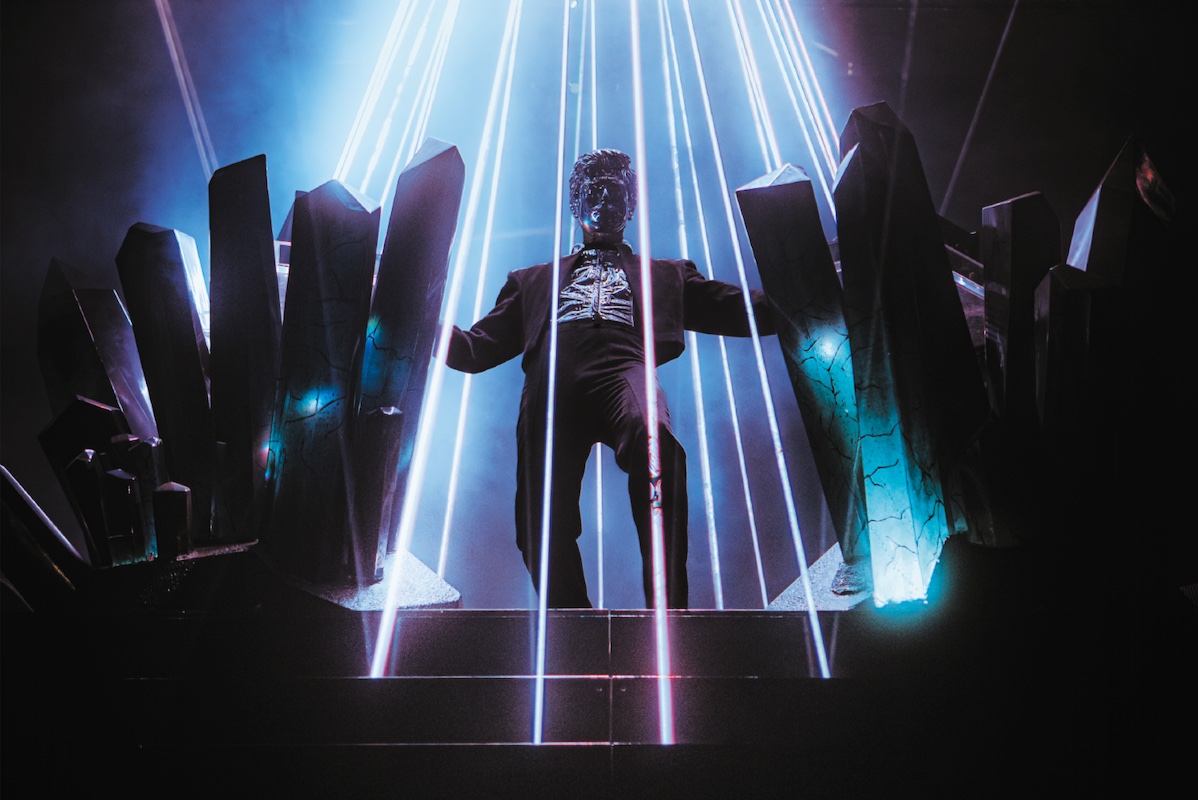
In the crossover realm of dance-pop, Lady Gaga won Best Dance Pop Recording for “Abracadabra”, a vibrant track that dominated charts and reinforced her genre-spanning reputation.Meanwhile, Gesaffelstein earned Best Remixed Recording for his electrifying rework of Gaga’s “Abracadabra”. The French producer turned his signature dark, pulsating sound into a festival-ready remix that elevated the original track to a new level of energy and club appeal. This win marks a milestone for Gesaffelstein, cementing his role as one of the most innovative figures in electronic music remix culture and highlighting the importance of remixes in keeping dance music fresh and dynamic.
Nomination Trends Reflect Genre Expansion
This year’s Grammy Awards nominations highlighted the growing diversity within electronic music. From high-energy club tracks to artful, experimental albums, the categories included household names like Skrillex, Kaytranada, and Fred again.., alongside innovators such as FKA twigs and Tame Impala. The selection reflects a scene that is increasingly fluid, where underground credibility and mainstream success coexist.
Why It Matters
The wins for Tame Impala and FKA twigs underscore electronic music’s growing recognition as both an artistic and cultural force. Parker’s accolade affirms his transition into electronic territory without losing his critical acclaim, while Twigs’ triumph shows how experimental sound can resonate broadly within the industry. Gaga’s dance-pop success and Gesaffelstein’s remix win further illustrate electronic music’s influence on mainstream charts and club culture alike.
The 2026 Grammy Awards demonstrated that dance and electronic music continue to evolve, inspire, and command a prominent place in global music conversations, celebrating artists who challenge, innovate, and bring audiences together on the dance floor.
featured image: Gesaffelstein – credits julian bajsel