

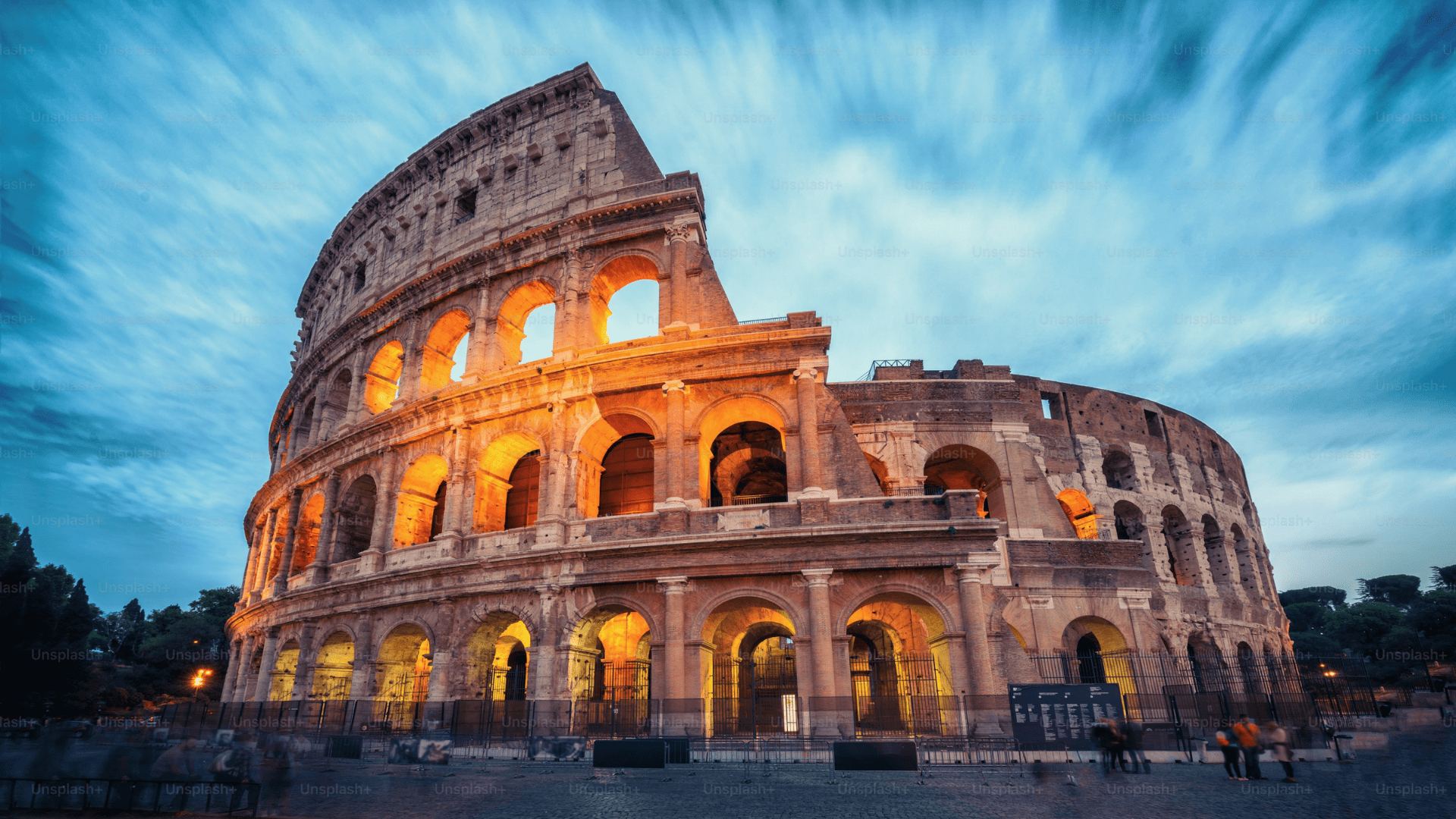
The newly appointed director of the Colosseum, Simone Quilici, has confirmed that the historic Roman landmark will not host raves or electronic music events, following widespread online speculation. The clarification comes after remarks he made in a recent interview were misinterpreted to suggest that large-scale concerts, including dance music events, could soon be held at the ancient amphitheatre.
Statement to the Associated Press
Speaking to the Associated Press, Quilici said that any future concerts or cultural events held at the Colosseum would be “strictly monitored,” adding that loud music and bass-heavy performances would not be permitted. “The music must be carefully controlled,” he explained. “I mentioned certain artists, not by accident, who haven’t been ‘rock’ for some time, who play calm music and attract a calm audience, because the important thing is that it’s not a wild crowd.”
Misinterpreted Comments Lead to Viral Rumours
The clarification follows a wave of viral posts on social media claiming “massive raves” would soon take place at the Colosseum, accompanied by AI-generated images showing colourful light shows inside the ancient structure. These reports prompted backlash from archaeologists and local residents who expressed concerns that such events would undermine the cultural and historical significance of the nearly 2,000-year-old monument.
Jazz and Acoustic Music Considered Acceptable
Quilici specified that jazz and acoustic performances could be suitable for the venue, emphasising that his earlier comments were misrepresented. “I joked about rock in moderation, that’s what I meant, a more subdued kind of music,” he said. “But it was reported the opposite of what I said.”
History of Carefully Controlled Concerts
The Colosseum has previously hosted a small number of concerts under strict supervision, including performances by Ray Charles (2002), Paul McCartney (2003), and Andrea Bocelli (2009). These events were considered cultural showcases, with limited audience numbers and extensive preservation measures in place.
Balancing Culture and Preservation
Quilici noted that his goal is to introduce more cultural activities at the Colosseum without compromising its heritage. “Bringing cultural activities into the mix would enrich this place, making it not only a site to visit, but also a place where one can experience and enjoy artistic events,” he said. However, he added that any potential performances would not take place for at least two years.
Broader Context of Heritage Site Music Restrictions
The statement comes amid broader discussions around the appropriateness of large-scale music events at historic landmarks. Earlier this month, Egypt’s Centre for Economic and Social Rights (ECESR) filed a lawsuit calling for the suspension of major electronic music events at the Pyramids of Giza, citing risks to the ancient structures.